
Designing Electronics That Survive Real Physical Use
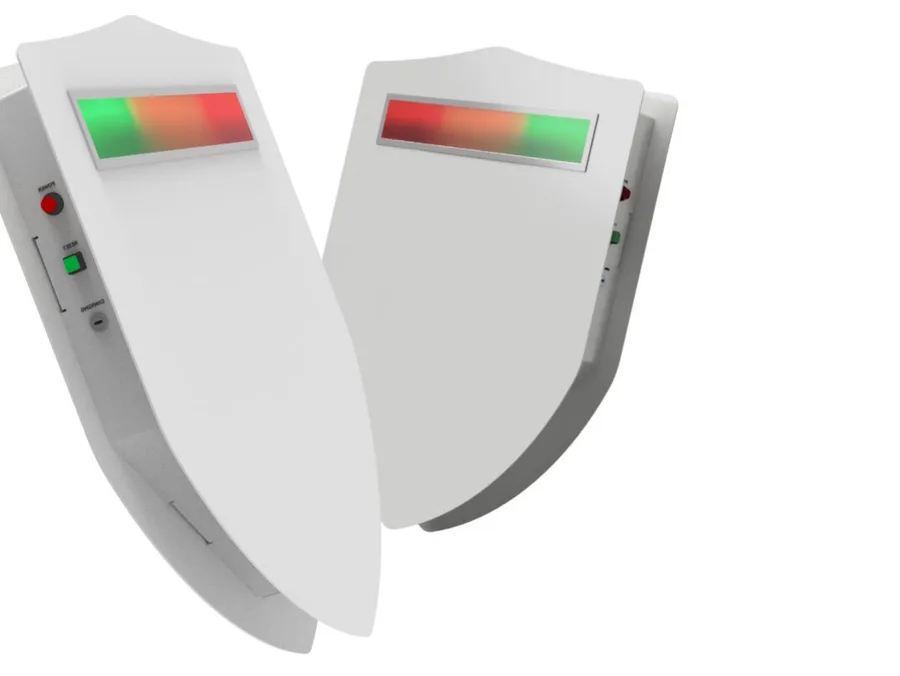
A device sitting on a desk during a demo and a device strapped to a moving body or mounted outdoors face completely different failure modes. Impact, repeated flexing, moisture, and constant handling are not edge cases for wearable and interactive electronics. They are the primary operating condition, and designing for them has to start at the PCB layout stage, not after the first field return.
Worn electronics need to fit inside geometry that moves
Our Electronic LARP Combat Game System embeds RGB LEDs inside player armor, changing color based on health status, alongside a buzzer system that fires sound alerts for events like getting hit. That required PCB design tight enough to fit inside wearable shield geometry, with real-time responsiveness players would notice immediately if it lagged, all while the armor itself is being worn, moved, and struck during actual gameplay, not sitting still on a bench.
Outdoor, unattended, multi-year duty is its own design brief
Our Pickleball Scoring System had to survive direct sun, rain, and temperature swings with no enclosure maintenance expected for years, while syncing wirelessly to a wristband across multiple active courts. That reliability bar cannot be added on later. It has to shape the enclosure sealing, the component selection, and the firmware’s tolerance for signal interference from the very first design pass.
The design change this actually requires
In both cases, the fix was not a stronger case bolted on after the fact. It was treating impact resistance, moisture sealing, and connection reliability as inputs to the PCB layout and enclosure geometry from day one, the same way component selection or power budget would be. A device only survives real physical use if the electronics were designed for that use, not just tested against it afterward.