
Blog für Produktdesign & Engineering
Praxisnahe Beiträge dazu, ein Produkt von der Idee bis zur Auslieferung zu bringen, von einem Team, das das jede Woche tut.

Why Working Prototypes Die Before Production
A prototype that works on your desk and a product that ships by the thousand are not the same design problem. Three real projects show exactly where that gap opens up.
When to Move From 3D Printing to Injection Molding
Printing 500 units by hand because nobody explained the crossover point is a common, avoidable mistake. Here is the real threshold, and two real projects on either side of it.
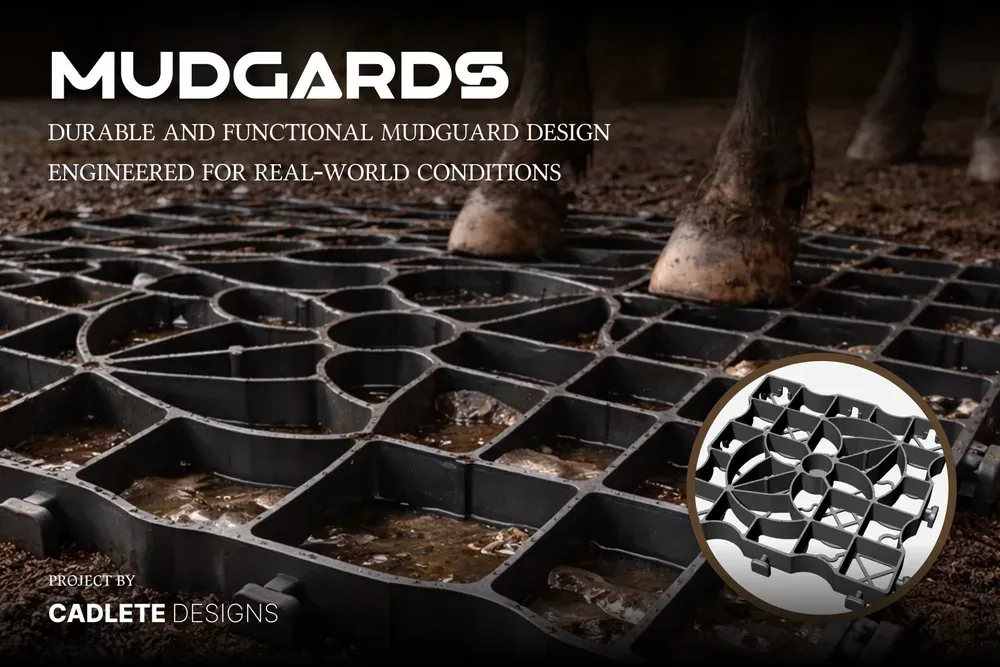
The Real Cost of Skipping DFM Before Tooling
A mold rework bill nobody budgeted for is almost always a DFM review that never happened. Two real tooling projects show what that review is actually catching.
Small Batch Manufacturing: The Gap Nobody Serves
Every quote assuming a 10,000-unit minimum is a common first wall for hardware founders. Two real small-batch projects show what the gap between prototype and mass production actually looks like.
From 50 Units to 5,000 Without Re-Tooling
Growth should not mean starting from zero with a new vendor. A real project that scaled from a custom idea to over 30,000 shipped units on one tooling family shows what that actually takes.
What a Box Build Actually Means
Coordinating three vendors just to get one finished device is the default experience for most hardware founders. Box build assembly exists to remove that coordination problem entirely.
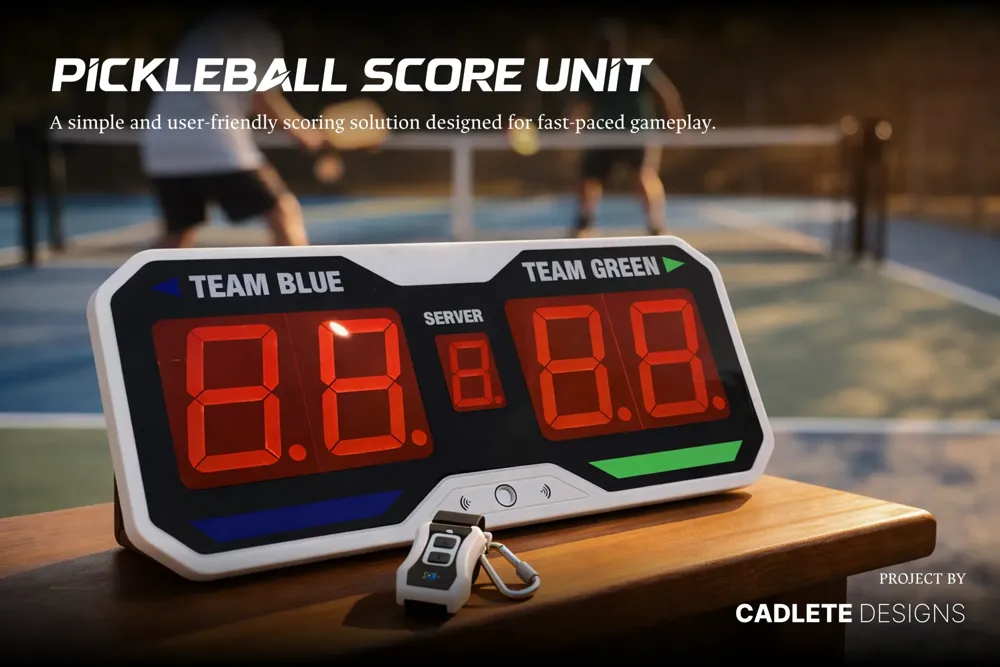
Inside a Real Box Build: A Wireless Scoring System
A device that looks right in the demo but drops its wireless connection outdoors is not a shippable product. Here is how one wireless scoring system was engineered as a single box build, not three separate line items.
Electronics and Enclosure: Why Splitting Vendors Backfires
A tolerance mismatch, a thermal surprise, an assembly step nobody owns. This is what actually goes wrong when a PCB and its enclosure are designed by two different vendors instead of one team.
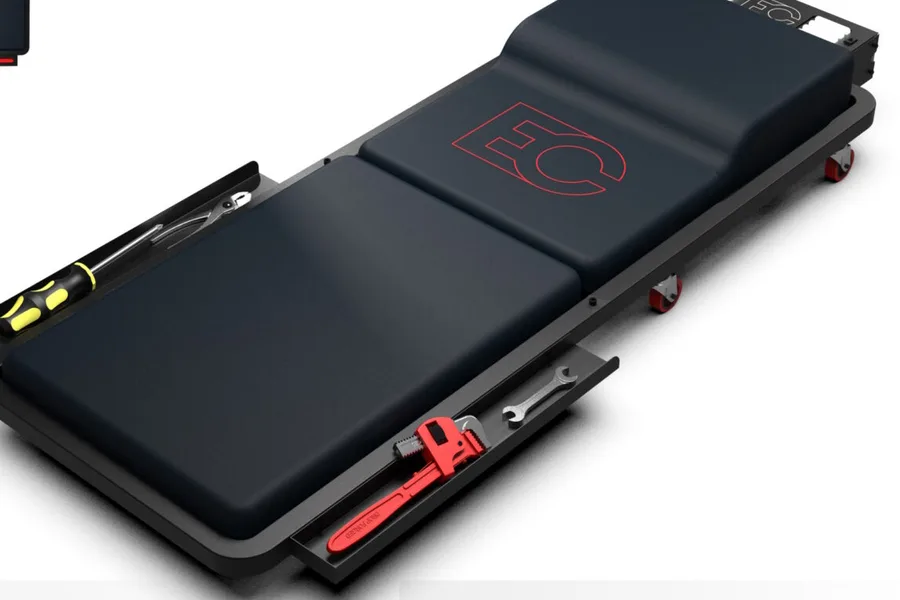
Designing Electronics That Survive Real Physical Use
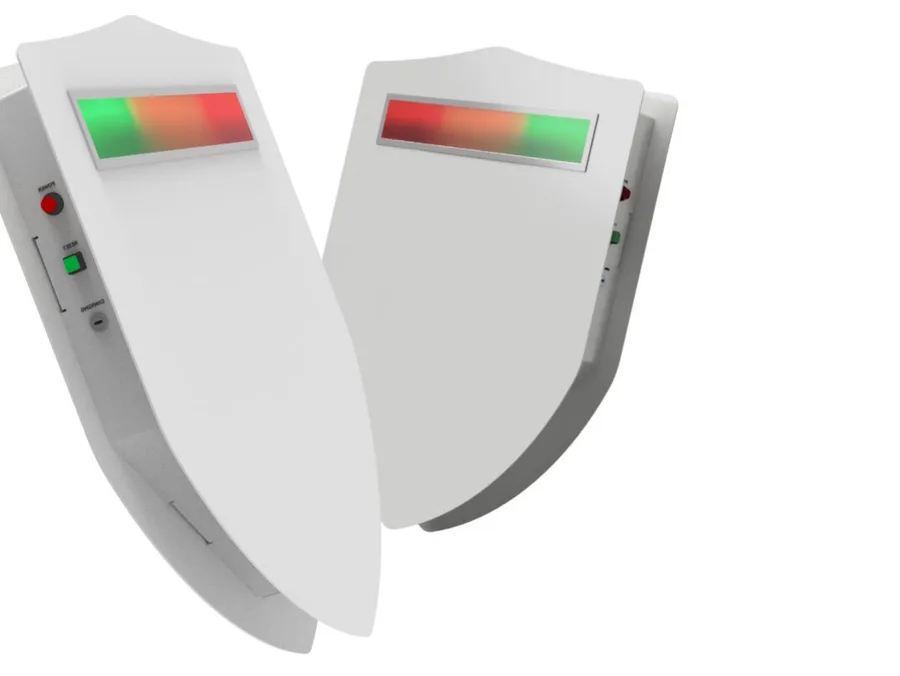
A device that works perfectly in a demo and fails the first time a real user actually uses it hard is a common, avoidable failure. Two real projects show what changes once impact and motion are the operating condition, not the exception.
IoT Product Development: The Cloud Layer That Ships Late
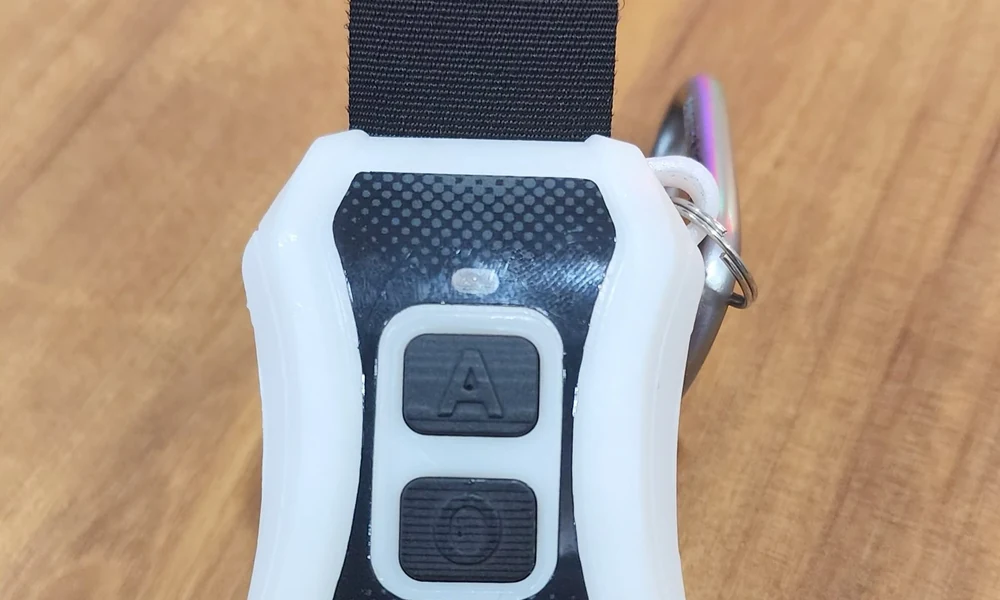
Hardware is done, the firmware works, and launch is stuck because the app is not ready. This is the most common bottleneck in IoT product development, and it is entirely avoidable.
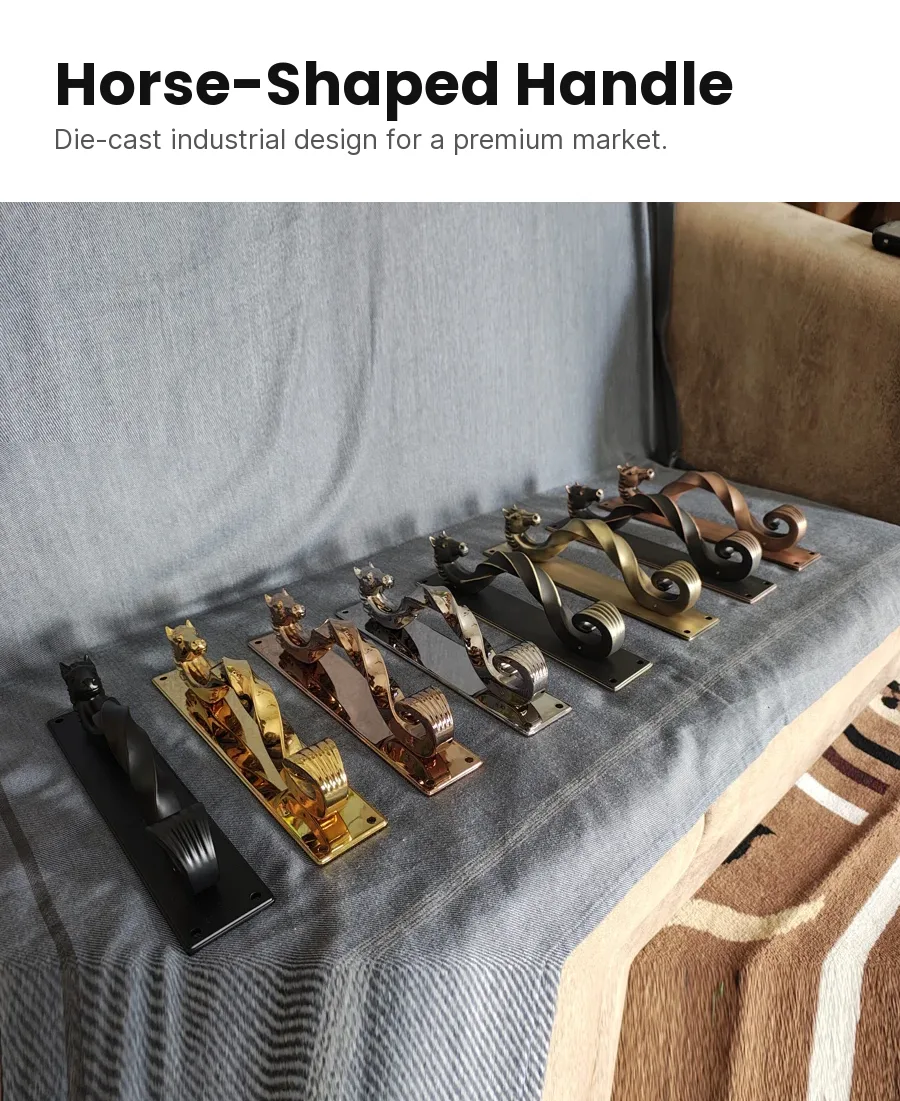
Die Casting vs CNC Machining: Picking the Right Process
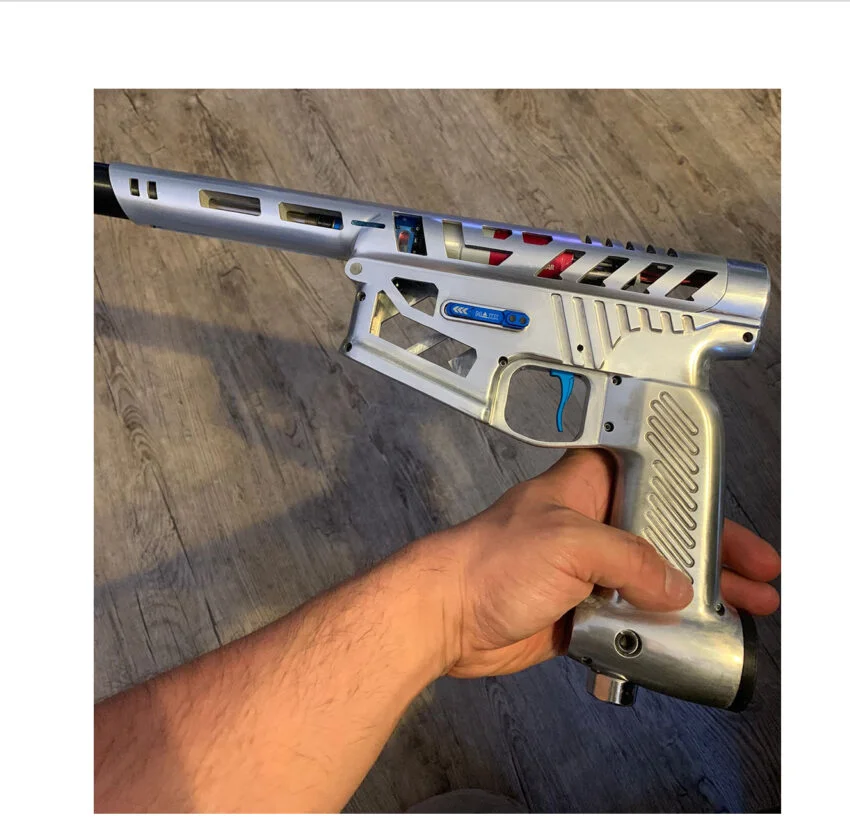
Paying for a die-cast tool when CNC would have been the right call, or the other way around, is an expensive mistake made early. Two real projects show how the decision actually gets made.
What Tight-Tolerance CNC Machining Needs From Your CAD
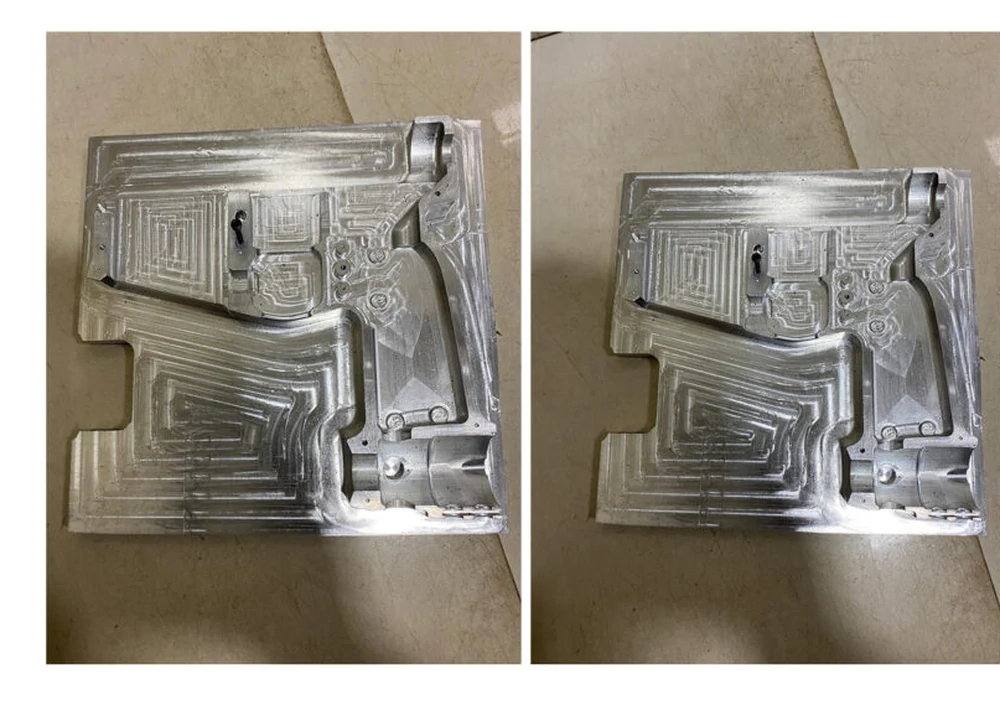
Quotes that keep changing are almost always a CAD file that was not manufacturing-ready yet. Here is what a CNC shop actually needs to see before the number becomes final.
3D Printing Isn't Just for Prototypes Anymore
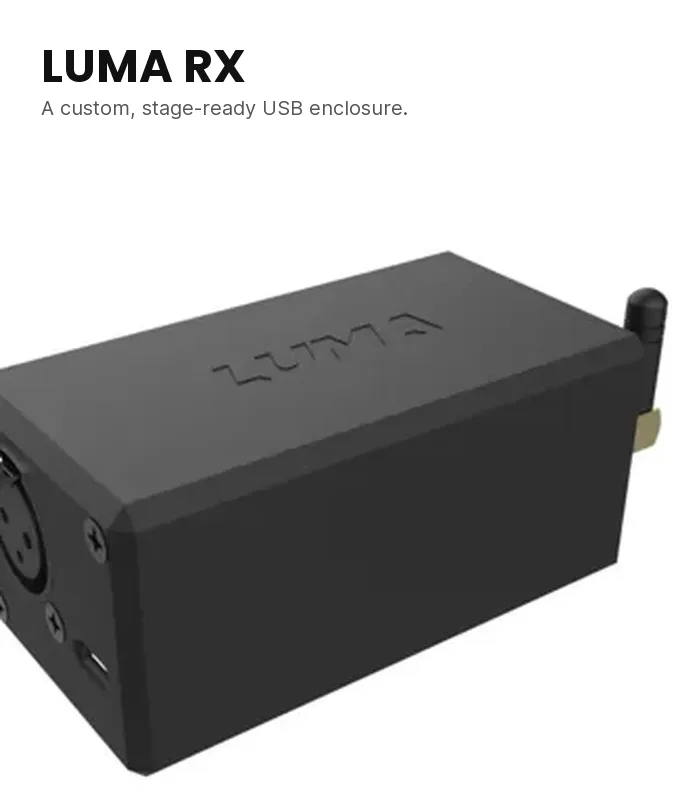
Assuming 3D printing is a dead end past the prototyping stage costs founders a cheaper, faster production option they never considered. Two real products are still 3D printed today, on purpose.
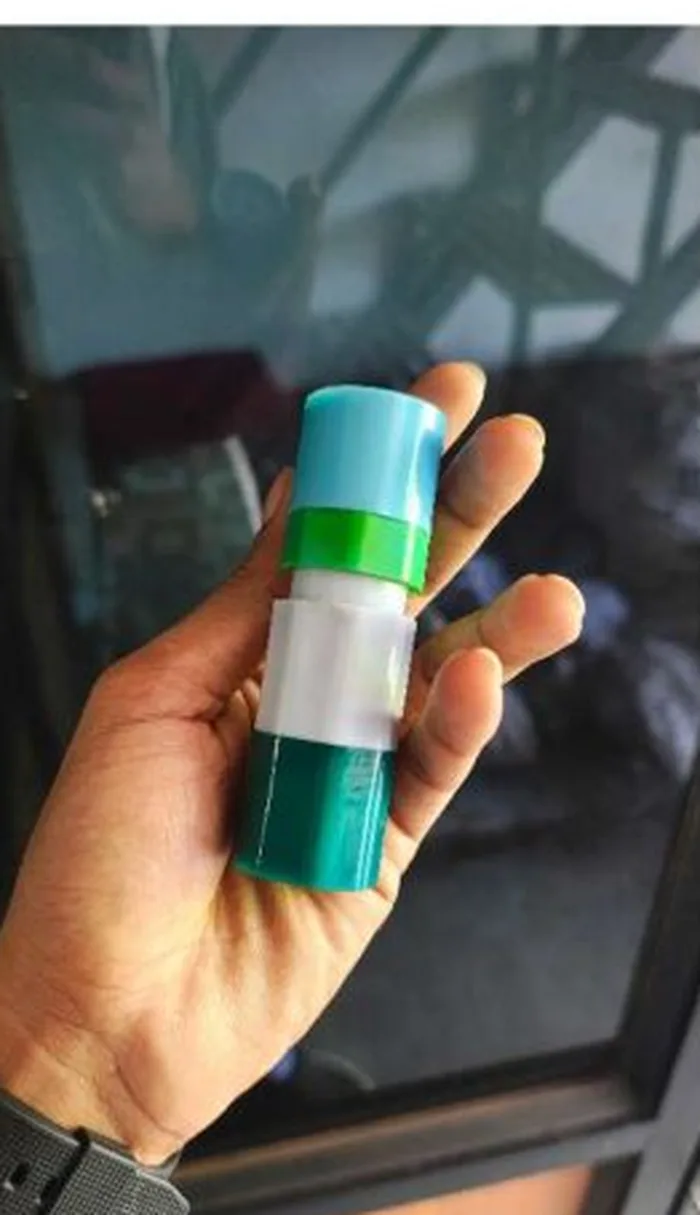
From Kickstarter Pledge to Shipped Unit: What Breaks
Funded on Kickstarter and staring at a fulfillment deadline with no factory relationship is a common, stressful position. Here is how one real crowdfunded product made it from MVP to over 500 shipped units.
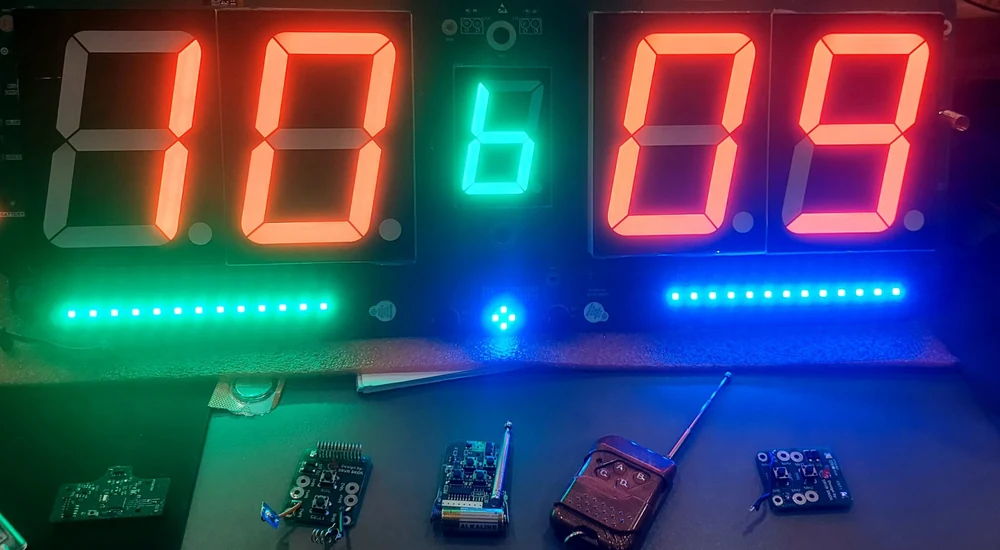
Was wir beim Bau PCB-integrierter Hardware gelernt haben, von Scoring-Systemen bis zu smarten Beuteln
Bei einem kabellosen Pickleball-Scoring-Gerät, einem zeitgesteuerten Handy-Beutel und einer neu entwickelten Munddusche zeigt sich immer wieder dasselbe Muster: Die Elektronik bestimmt die Mechanik, nicht umgekehrt.
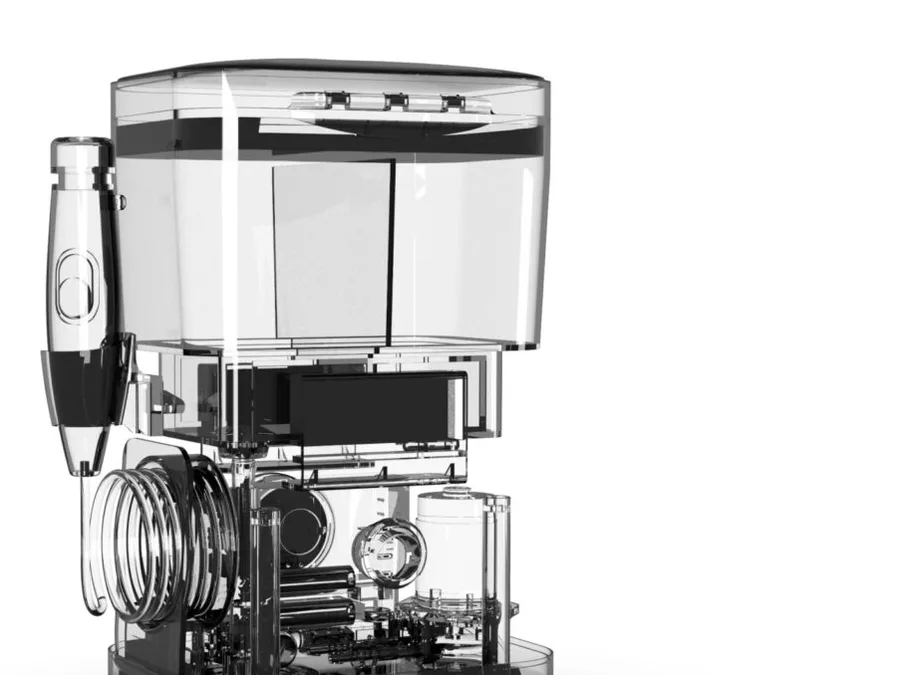
Reverse Engineering einer Munddusche: Einblick in eine elektromechanische Baugruppe mit über 15 Teilen
Ein Kunde wollte eine Munddusche der nächsten Generation mit zwei Funktionen, die keine Standarddusche hatte. Der Weg dorthin begann damit, eine bestehende auseinanderzunehmen.
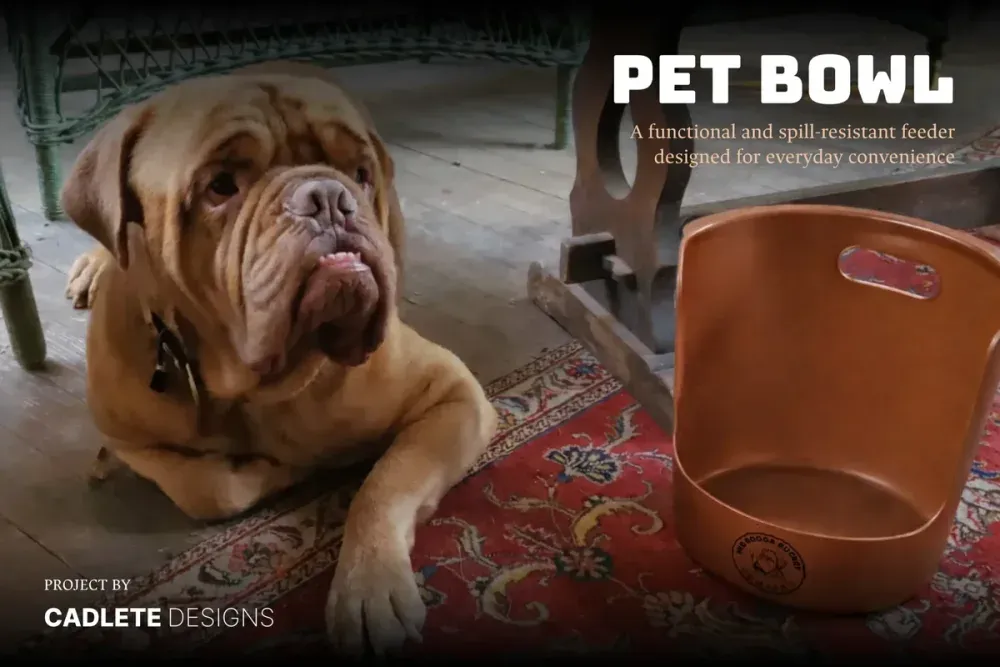
Produktdesign für Haustiermarken: Fünf reale Projekte, fünf unterschiedliche technische Probleme
Haustierprodukte landen im Handel unter einer einzigen Kategorie, aber die Technik dahinter wiederholt sich selten. Ein Stabilitätsproblem, ein Verschüttungsproblem und ein Pflegeproblem brauchen jeweils eine andere Antwort.
Von der Leiterplatte zur Serienfertigung: Der komplette Leitfaden für Hardware-Entwickler
Laut IPC verursachen leiterplattenbezogene Probleme 35 bis 45 Prozent aller Verzögerungen in der Produktentwicklung. So sieht ein PCB-Designprozess aus, der genau das verhindert.
Fertigungsgerechtes Design: Warum es über Erfolg oder Misserfolg Ihres Produkts entscheidet
Ein Teil, das im CAD perfekt aussieht und sich in der benötigten Toleranz, Oberfläche oder zu den Kosten nicht fertigen lässt, ist kein fertiges Design.
Von der Idee zum Produkt: Wie Produkte bei CADLETE Designs entstehen
Zwischen einer Produktidee und einem ausgelieferten Produkt liegen sieben Phasen, die die meisten unterschätzen. So läuft jede tatsächlich ab.
Durchgängige Produktentwicklung: Wie man Mechanik- und Elektronikdesign integriert
Die meisten Hardware-Verzögerungen entstehen nicht, weil eine der beiden Disziplinen langsam ist. Sie entstehen an der Übergabe dazwischen.
Was Sie vorbereiten sollten, bevor Sie ein Produktdesign-Unternehmen kontaktieren
Für ein nützliches erstes Gespräch mit einem Designunternehmen brauchen Sie keine fertige Spezifikation. Sie brauchen fünf Dinge, und keines davon erfordert eine CAD-Datei.
Haben Sie ein Projekt? Starten wir ein Gespräch.
Kostenlose 30-minütige Erstberatung. Ein echter Ingenieur liest Ihre Anfrage, kein Bot.