
Electronics and Enclosure: Why Splitting Vendors Backfires
A PCB vendor optimizes a board layout. An enclosure vendor optimizes a housing. Neither one is responsible for the moment those two things have to fit together, run cool, and survive assembly, because that moment sits in the gap between two contracts. That gap is where most of the real failures in electromechanical products come from.
Lighting and comfort still have to fit around real electronics
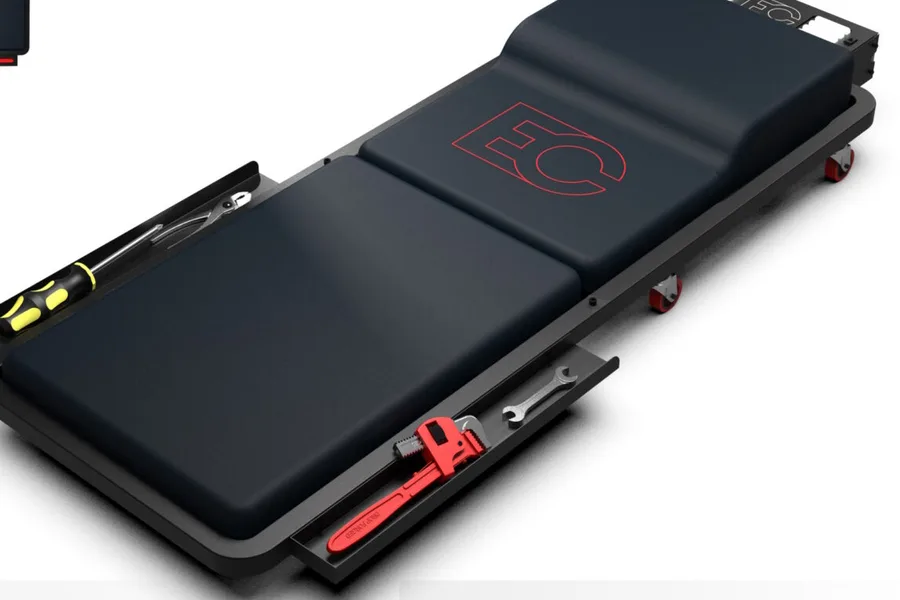
Our Mechanic Creeper Board with Integrated Lighting project needed built-in lights for visibility under a vehicle plus cushioned padding for comfort, in one product. A fully functional prototype was built specifically so the client could test and give feedback before mass production, because a lighting system and a padded structure designed separately, then assembled at the end, is exactly where fitment and wiring-routing problems hide until it is too late to fix cheaply.
Outdoor electronics need the enclosure and the wiring designed together
Our Consumer-Grade Heliostat project used sheet metal fabrication to build a rugged, lightweight structure for outdoor installation, with all electronics carefully mounted and wire routing kept clean for safety and maintenance. A motorized mirror array that automatically tracks the sun only works if the structural design and the electronics mounting are solved as one problem: a structure engineered without the wiring in mind gets retrofitted badly, and a wiring plan designed without the structure in mind never survives outdoor conditions.
A firmware-locked mechanism has zero tolerance for a split handoff
Our Mobile Phone Lock Pouch needed a zipper that would not open until a firmware-driven countdown finished. The custom PCB, the timer firmware, and the pouch’s zipper mechanism were designed as one system, because a locking mechanism engineered separately from the electronics that control it has nowhere to reconcile a timing mismatch once both halves are built. This is the manufacturing-stage version of a lesson that starts at the design stage: split the electronics and the enclosure across two vendors, and the fit, the thermal behavior, and the assembly sequence become nobody’s job to get right.