
From Kickstarter Pledge to Shipped Unit: What Breaks
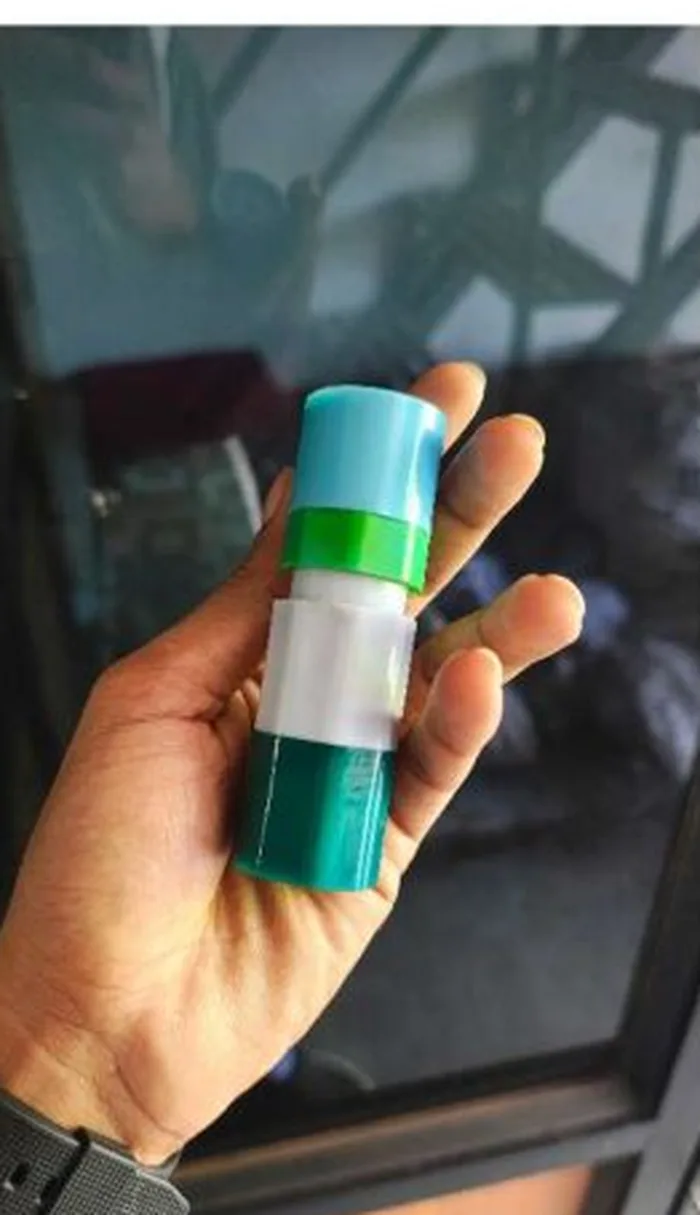
A successful Kickstarter campaign proves demand. It does not prove a manufacturing process exists to fulfill it. That gap between "we hit our funding goal" and "we can actually ship this to every backer" is where a lot of crowdfunded hardware products quietly stall, and it is a completely different problem than the one the campaign itself just solved.
The MVP has to be built for the pitch, not just the demo table
Our Hobby Helper Enclosure V2 project designed the full enclosure, internal mechanism, and ergonomic handle from the outset following plastic injection molding guidelines, then built a series of high-quality 3D printed prototypes to validate design, usability, and mechanical performance. The client used those functional MVP prototypes to successfully launch the Kickstarter campaign itself, which meant the prototype had to be convincing enough to earn backer trust and already built with production in mind, not a look-alike model that would need a redesign once funding landed.
What actually changes once the campaign succeeds
After the campaign succeeded, the project moved into engineering and building the actual plastic injection molds, and producing over 500 units through injection molding while holding precision and consistency at scale. That is the step that breaks most crowdfunded products: an MVP that worked as a prototype still has to be converted into a manufacture-ready design, tooled, and run at a volume the campaign itself has now made real and time-bound.
Building this in before the campaign, not after
The projects that make it from pledge to shipped unit are the ones where the prototype was designed against real manufacturing guidelines from day one, not just built to look finished for a pitch video. Knowing the production process a successful campaign will need, before the campaign happens, is what turns a funding win into a fulfilled order instead of a deadline with no factory relationship behind it.