
IoT Product Development: The Cloud Layer That Ships Late
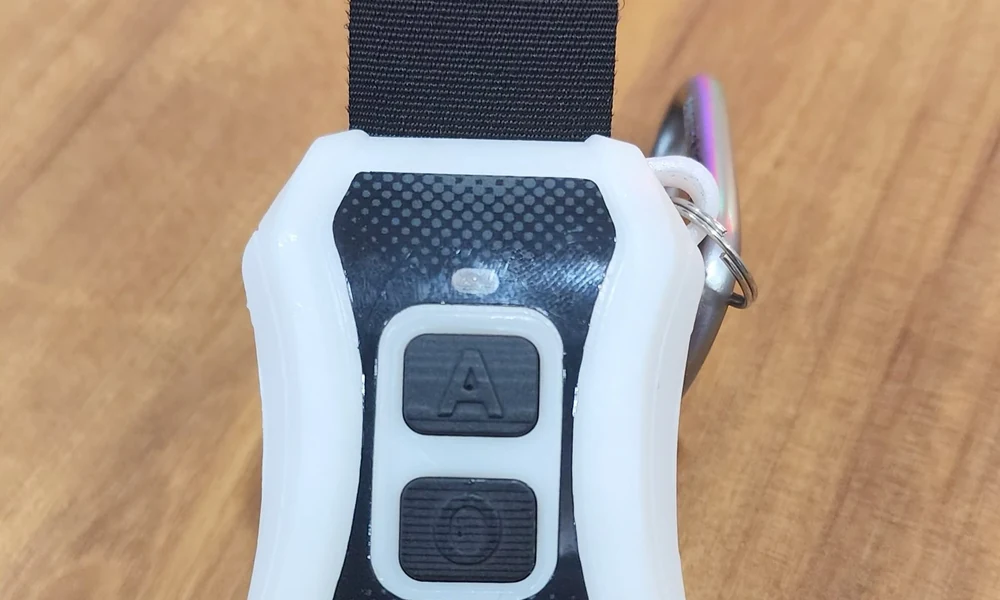
On most IoT projects, the enclosure ships on time and the firmware runs the core logic correctly. The part that slips is the layer nobody scoped early enough: the cloud sync, the companion app, and the data pipeline connecting a physical device to whatever a user or backend actually sees. That layer gets treated as a follow-on task instead of a parallel work stream, and it is exactly why launches stall with working hardware sitting on a shelf.
Wireless sync is a product requirement, not a nice-to-have added later
Our Pickleball Scoring System needed a wristband-to-device wireless sync that stayed reliable with multiple courts running side by side outdoors. That is not a feature you bolt onto finished firmware. The sync protocol, the connection reliability under interference, and the data flow between the wristband and the display all had to be part of the electronics architecture from the start, engineered alongside the PCB and power system, not treated as a software task that starts once the hardware is done.
Why this layer starts late on most projects, and what that costs
The cloud and app layer usually gets scoped after hardware and firmware because it feels like the part that can be built fastest. In practice it depends on decisions made in the firmware and electronics architecture, connection protocol, data format, sync frequency, that are expensive to change once hardware is locked. Starting that layer in parallel with electronics architecture, instead of after it, is what actually keeps a launch on schedule.
What to ask before hardware and firmware are locked
Before finalizing the electronics architecture, confirm what data the cloud layer needs, how often it needs to sync, and what happens when connectivity drops mid-use. Answering those questions at the architecture stage, not after firmware is frozen, is the difference between a cloud layer that ships alongside the hardware and one that becomes the reason launch gets delayed.