
Product Design & Engineering Blog
Practical writing on getting a product from idea to shipped, from a team that does it every week.
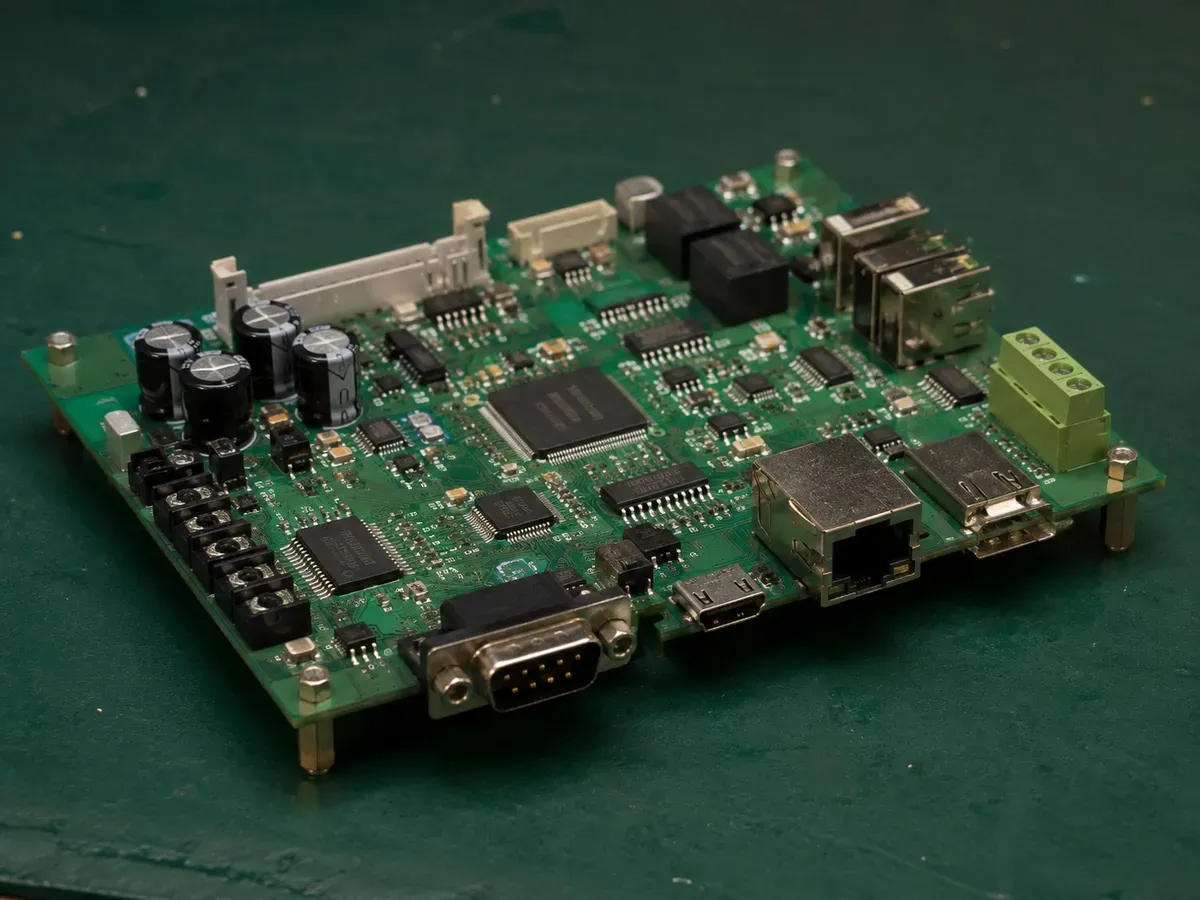
FCC, CE, and RoHS Certification for Hardware Startups: What You Actually Need and When
Certification catches most first-time hardware founders off guard, usually right when they can least afford a delay. Here is what each market actually requires, real cost ranges, and how to design for a first-pass.
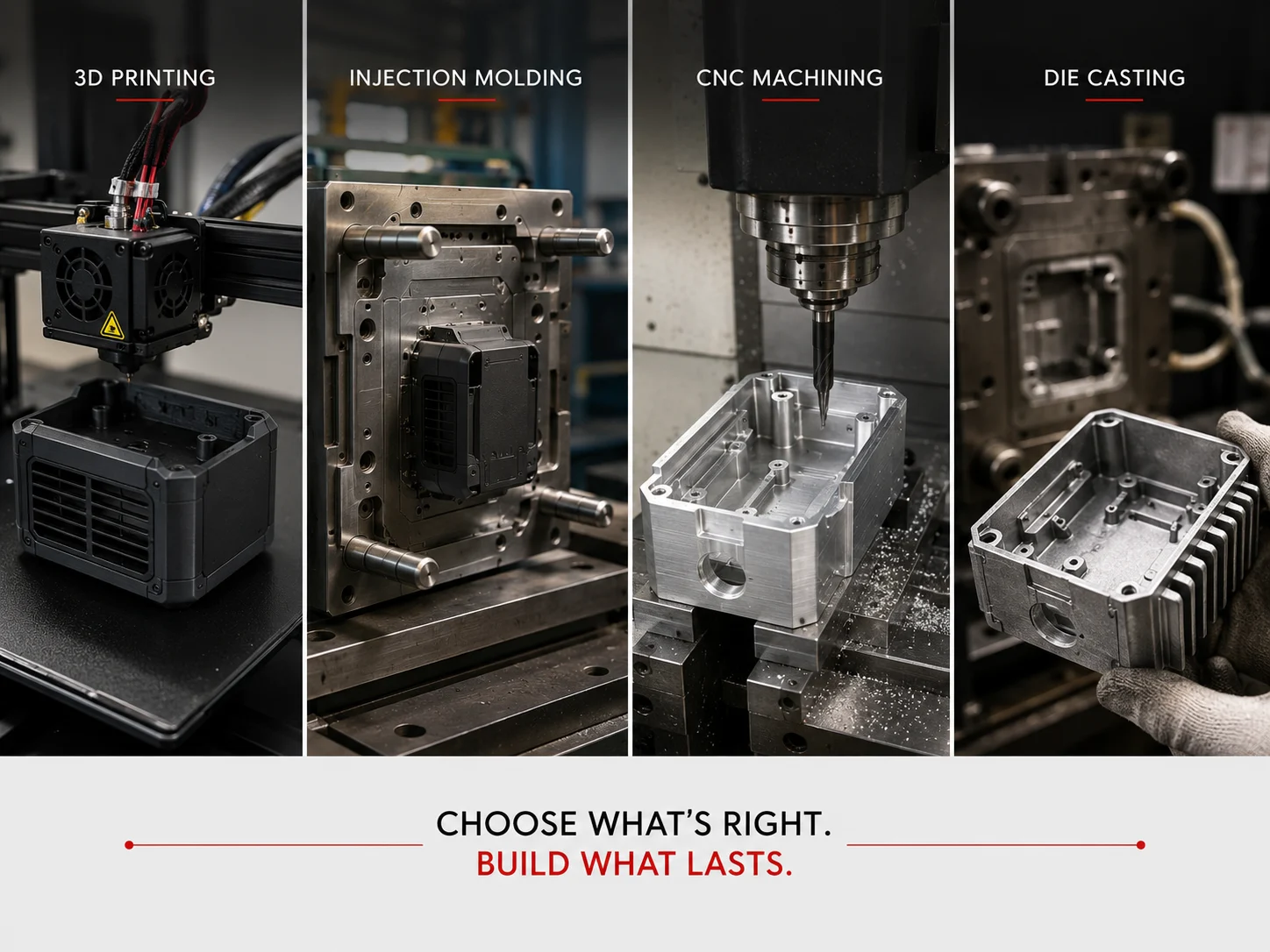
Choosing the Right Manufacturing Method: 3D Printing, Injection Molding, CNC Machining, or Die Casting
Approximately 70 percent of manufacturing costs are locked in during the design phase. Here is the complete decision framework, including the electronics integration factors most manufacturing guides skip.
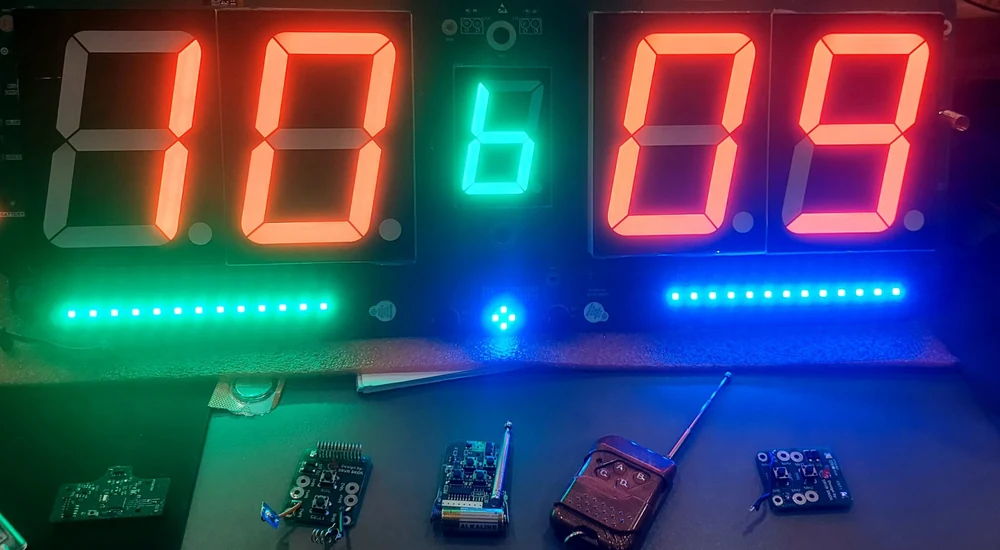
End-to-End Product Development: How to Integrate Mechanical and Electronics Design (Complete Guide)
Companies with integrated design practices see 32 percent higher revenue growth. Here is the framework for developing mechanical, electronics, and firmware together instead of in silos.
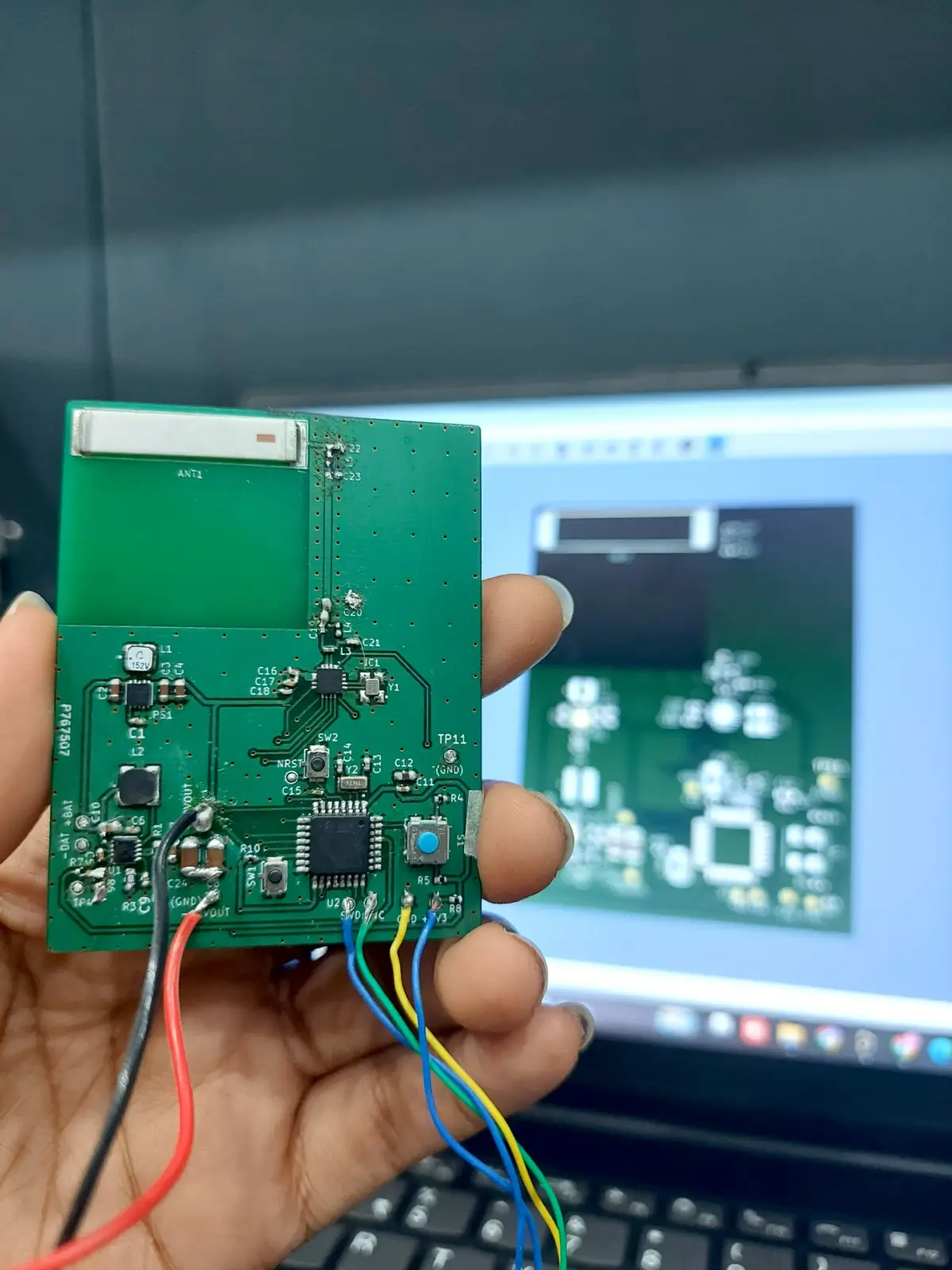
PCB Design to Production: Complete Guide for Hardware Product Developers
IPC data puts PCB related issues behind 35 to 45 percent of all product development delays. Here is the process, the layout mistakes, and the DFM rules that keep your board from becoming one of them.
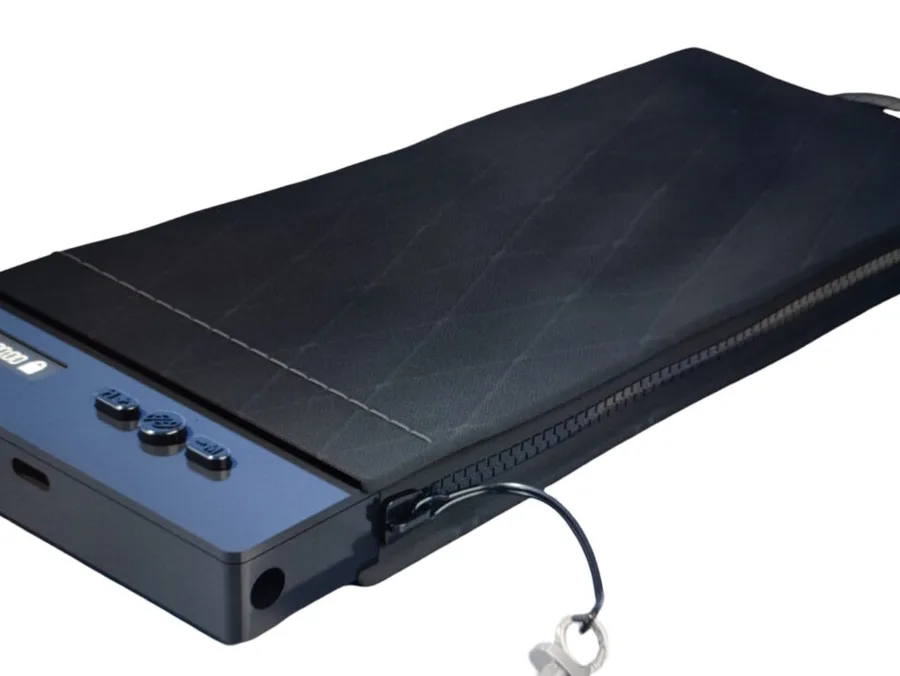
What We’ve Learned Building PCB-Integrated Hardware, From Scoring Systems to Smart Pouches
Across a wireless pickleball scorer, a timer-locked phone pouch, and a reverse-engineered water flosser, the same pattern keeps showing up: the electronics decide the mechanical design, not the other way around.
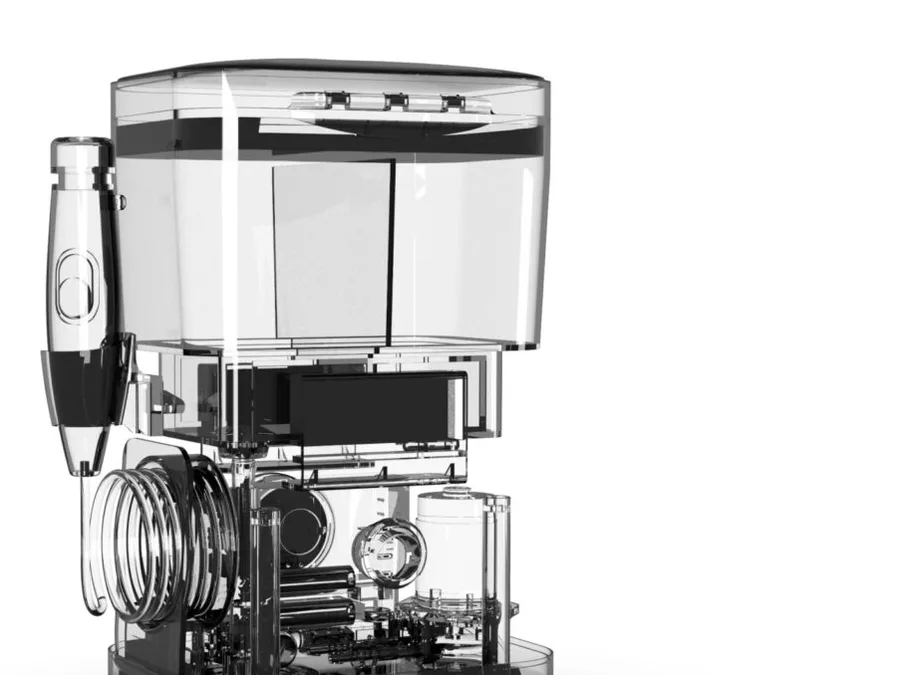
Reverse-Engineering a Water Flosser: Inside a 15-Plus-Part Electromechanical Assembly
A client wanted a next-generation water flosser with two features no standard flosser had. Getting there meant starting by taking an existing one apart.

Designing for Pet Product Brands: Five Real Projects, Five Different Engineering Problems
Pet products get filed under one category on a shelf, but the engineering behind them rarely repeats. A stability problem, a spill problem, and a grooming problem all need a different answer.

Why Working Prototypes Die Before Production
A prototype that works on your desk and a product that ships by the thousand are not the same design problem. Three real projects show exactly where that gap opens up.
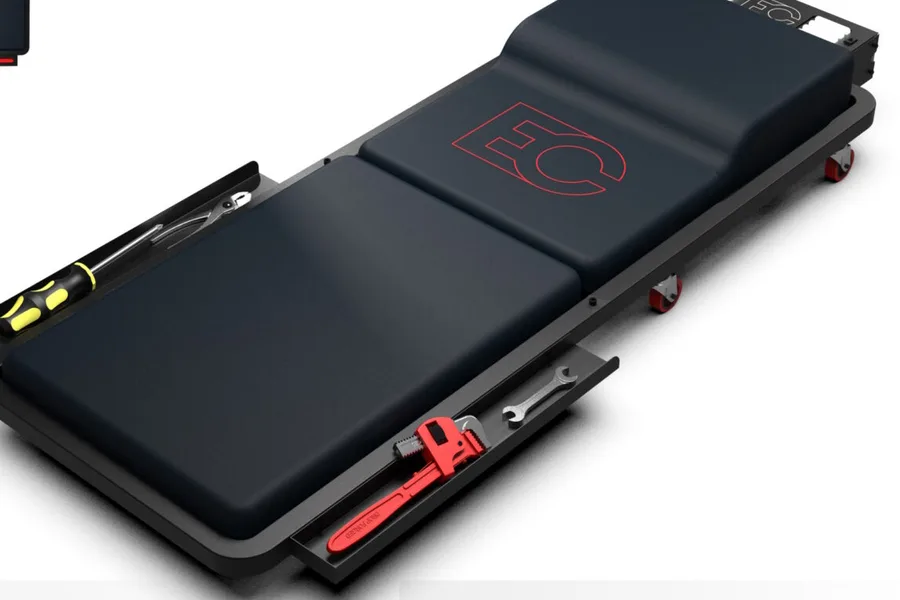
Electronics and Enclosure: Why Splitting Vendors Backfires
A tolerance mismatch, a thermal surprise, an assembly step nobody owns. This is what actually goes wrong when a PCB and its enclosure are designed by two different vendors instead of one team.
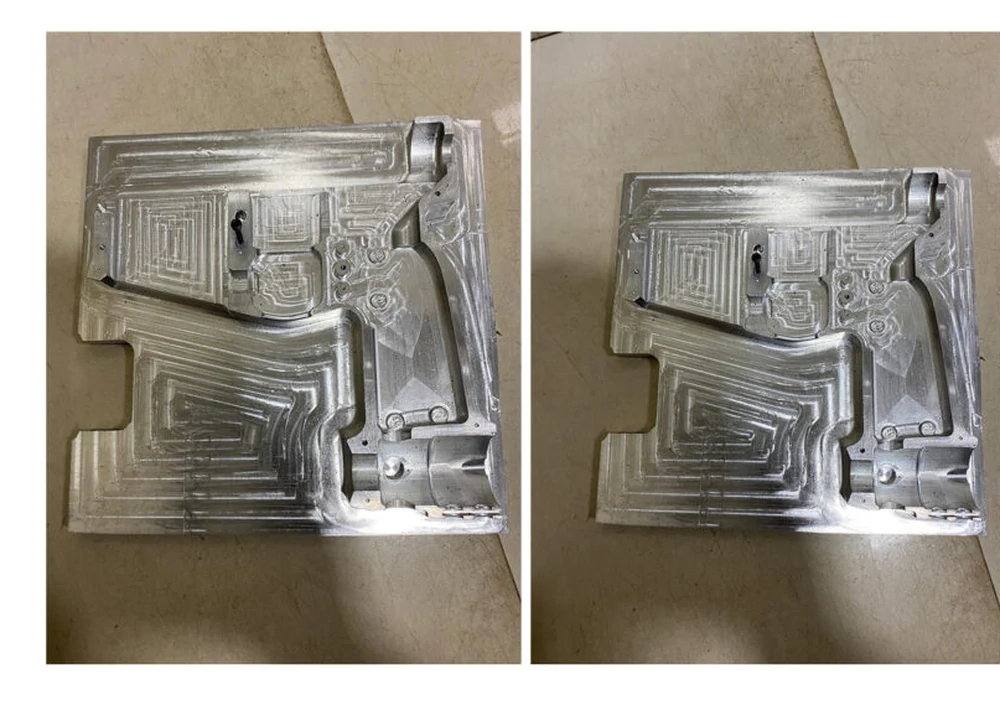
What Tight-Tolerance CNC Machining Needs From Your CAD
Quotes that keep changing are almost always a CAD file that was not manufacturing-ready yet. Here is what a CNC shop actually needs to see before the number becomes final.
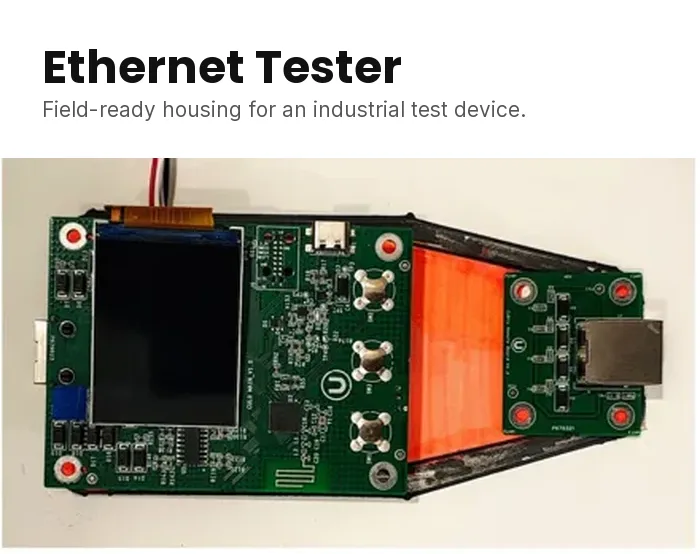
What a Box Build Actually Means
Coordinating three vendors just to get one finished device is the default experience for most hardware founders. Box build assembly exists to remove that coordination problem entirely.

Small Batch Manufacturing: The Gap Nobody Serves
Every quote assuming a 10,000-unit minimum is a common first wall for hardware founders. Two real small-batch projects show what the gap between prototype and mass production actually looks like.
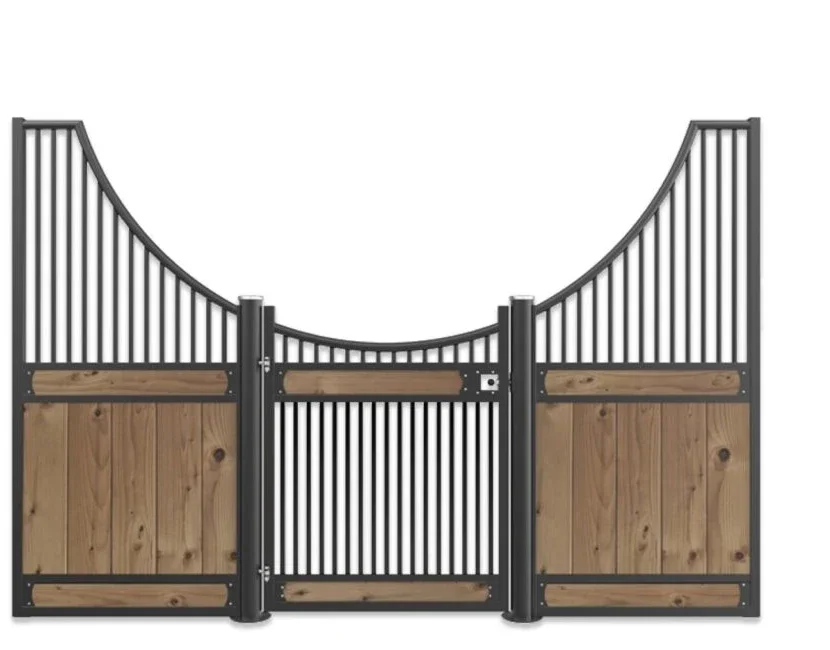
From 50 Units to 5,000 Without Re-Tooling
Growth should not mean starting from zero with a new vendor. A real project that scaled from a custom idea to over 30,000 shipped units on one tooling family shows what that actually takes.

Design for Manufacturing: Why It Can Make or Break Your Product
A part that looks perfect in CAD and cannot actually be manufactured at the tolerance, finish, or cost you need is not a finished design.
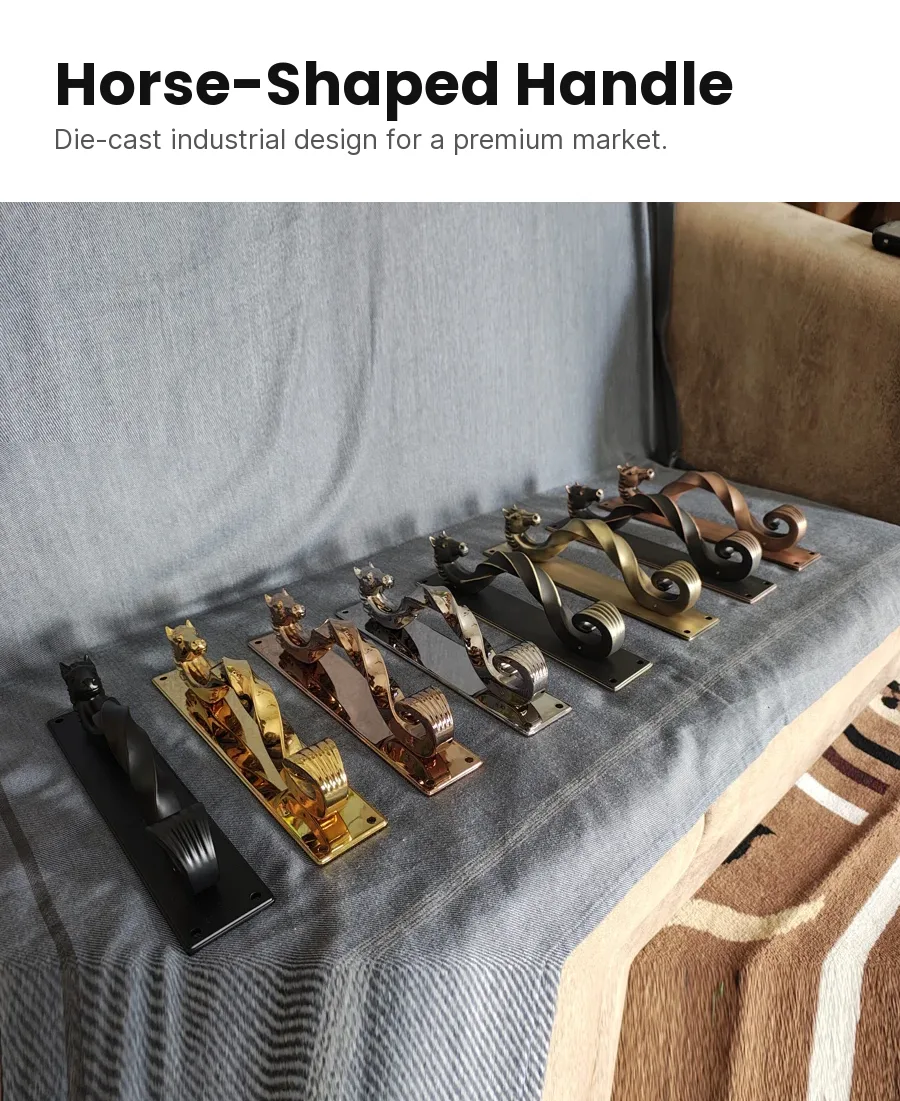
The Real Cost of Skipping DFM Before Tooling
A mold rework bill nobody budgeted for is almost always a DFM review that never happened. Two real tooling projects show what that review is actually catching.
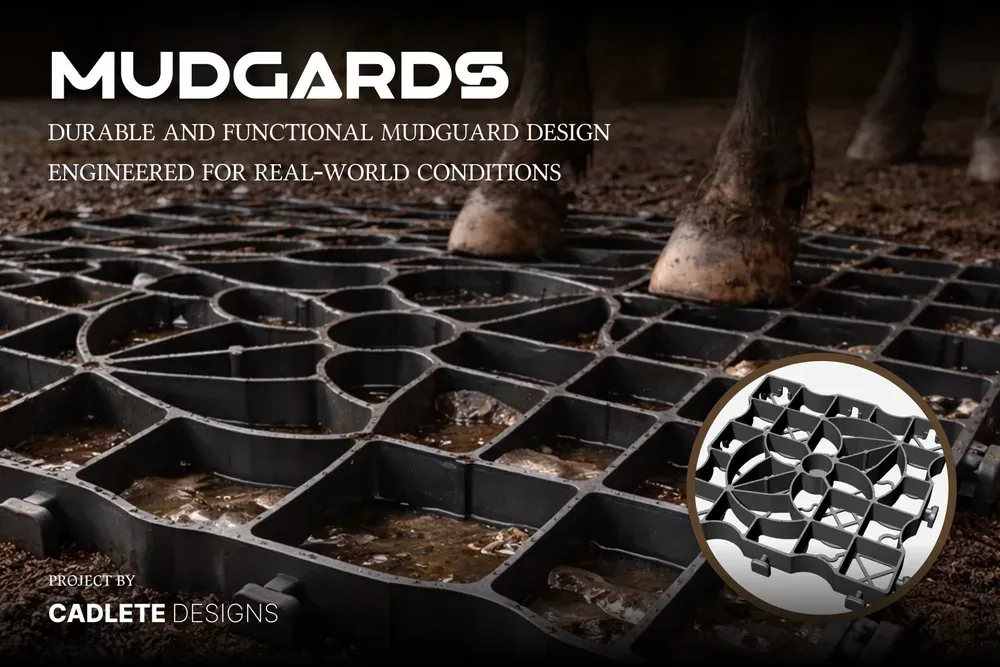
When to Move From 3D Printing to Injection Molding
Printing 500 units by hand because nobody explained the crossover point is a common, avoidable mistake. Here is the real threshold, and two real projects on either side of it.
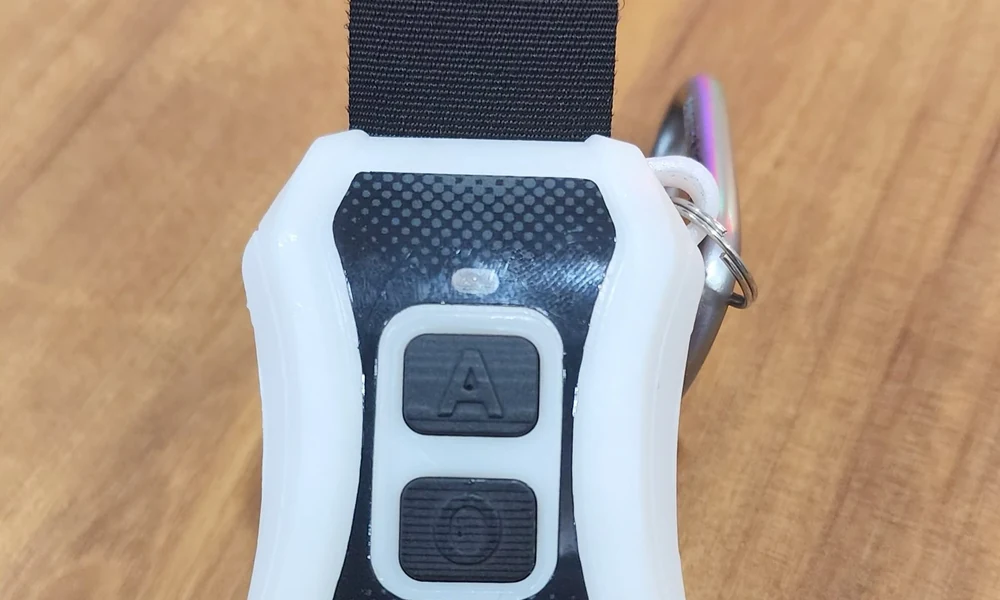
IoT Product Development: The Cloud Layer That Ships Late
Hardware is done, the firmware works, and launch is stuck because the app is not ready. This is the most common bottleneck in IoT product development, and it is entirely avoidable.
From Idea to Icon: How Products Are Born at CADLETE Designs
A product idea and a shipped product are separated by seven stages most people underestimate. Here is what actually happens in each one.
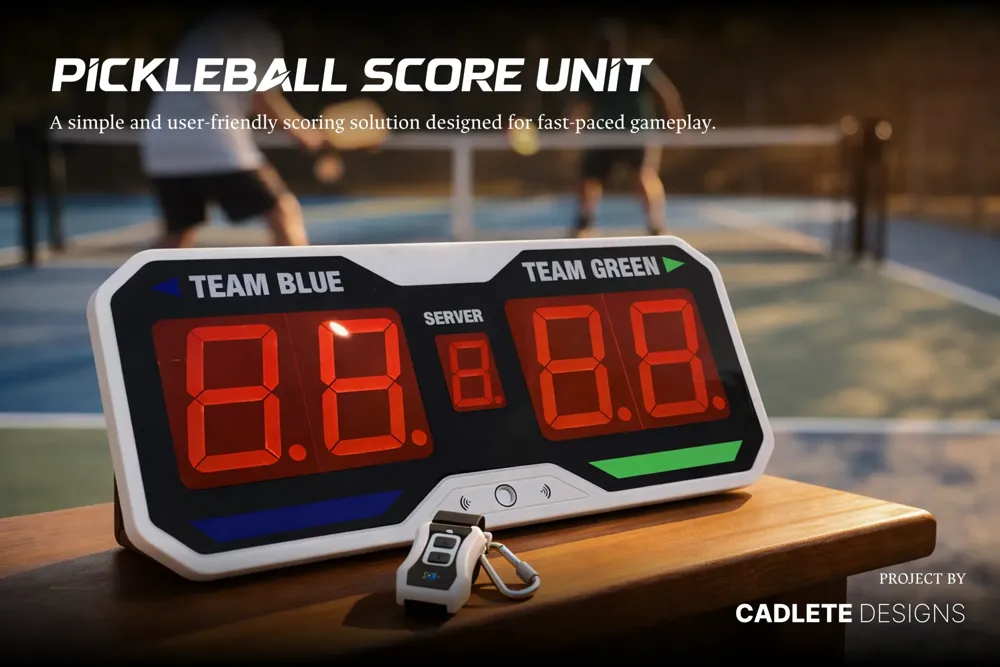
Inside a Real Box Build: A Wireless Scoring System
A device that looks right in the demo but drops its wireless connection outdoors is not a shippable product. Here is how one wireless scoring system was engineered as a single box build, not three separate line items.
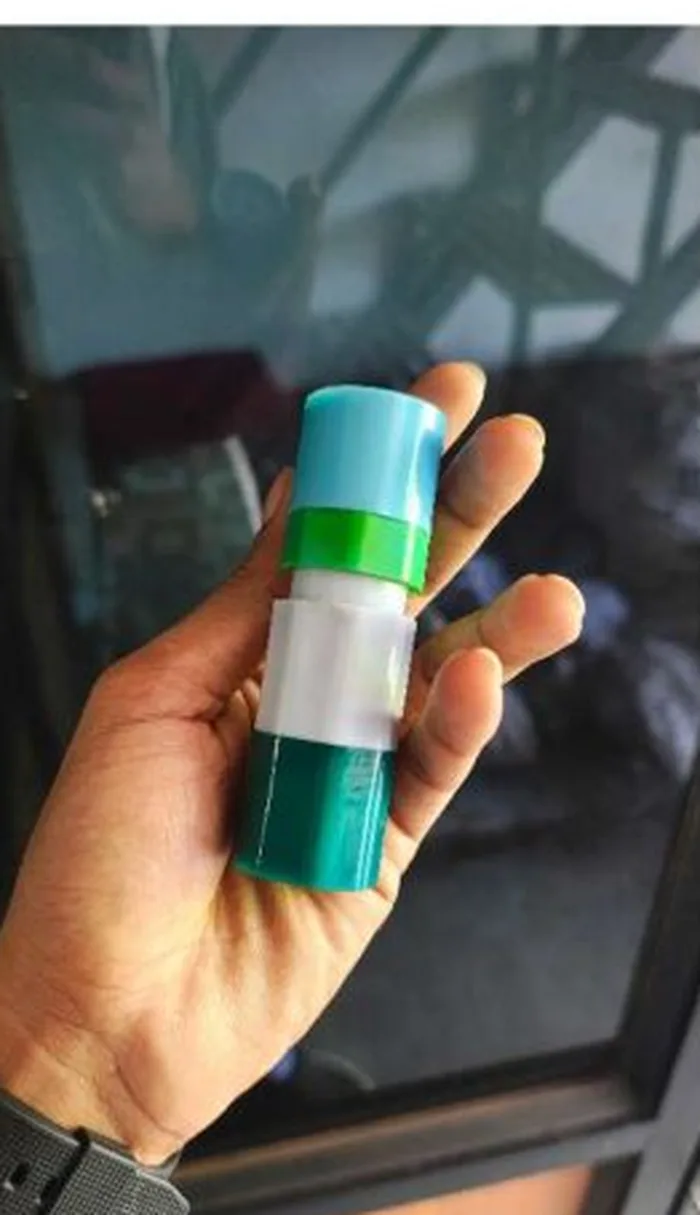
From Kickstarter Pledge to Shipped Unit: What Breaks
Funded on Kickstarter and staring at a fulfillment deadline with no factory relationship is a common, stressful position. Here is how one real crowdfunded product made it from MVP to over 500 shipped units.
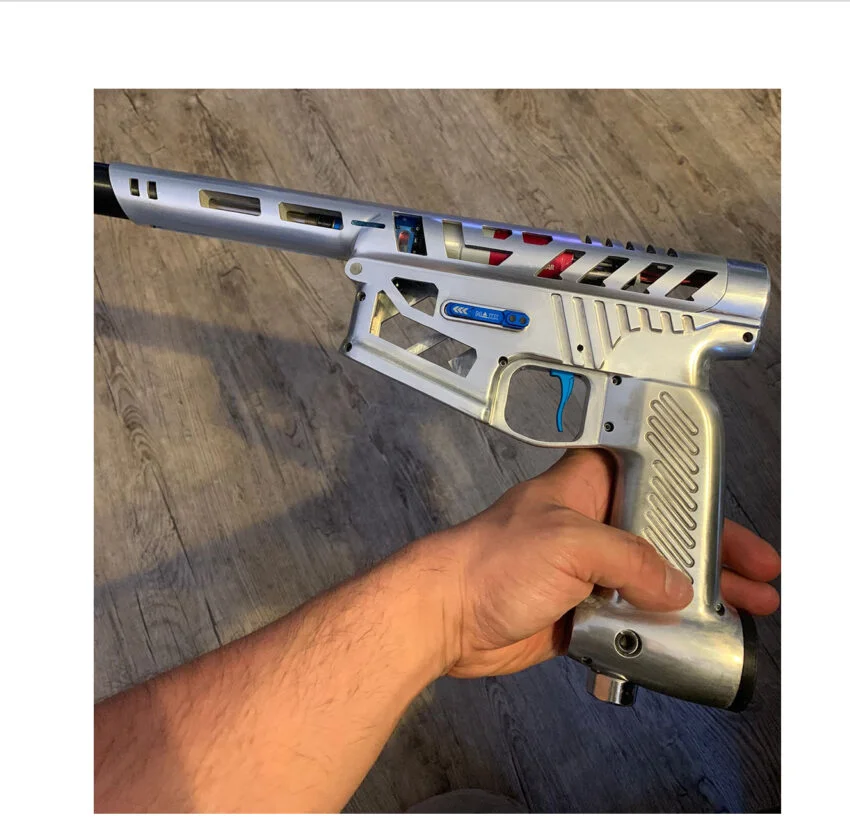
Die Casting vs CNC Machining: Picking the Right Process
Paying for a die-cast tool when CNC would have been the right call, or the other way around, is an expensive mistake made early. Two real projects show how the decision actually gets made.
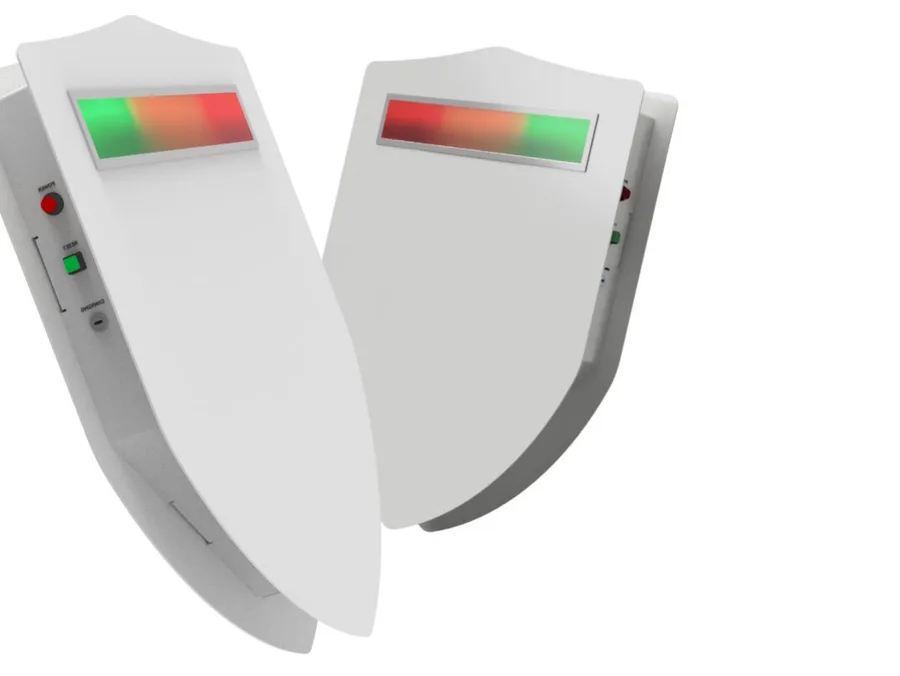
Designing Electronics That Survive Real Physical Use
A device that works perfectly in a demo and fails the first time a real user actually uses it hard is a common, avoidable failure. Two real projects show what changes once impact and motion are the operating condition, not the exception.
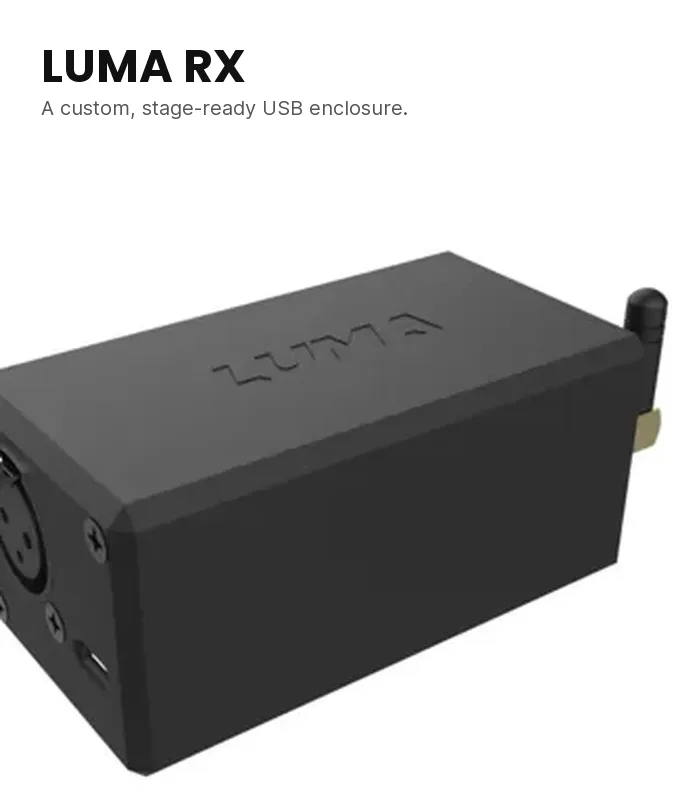
3D Printing Isn't Just for Prototypes Anymore
Assuming 3D printing is a dead end past the prototyping stage costs founders a cheaper, faster production option they never considered. Two real products are still 3D printed today, on purpose.
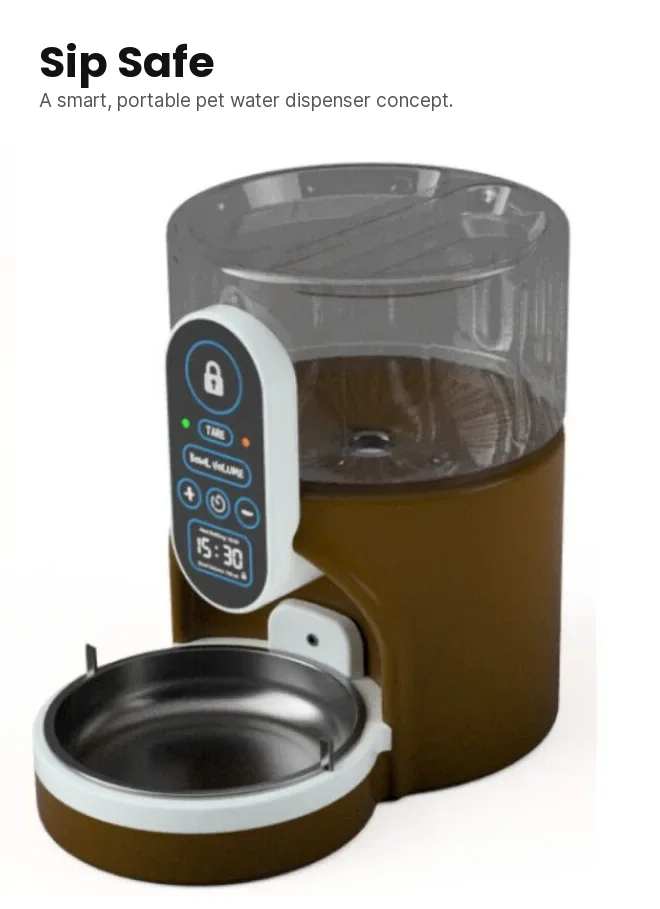
What to Prepare Before Contacting a Product Design Company
You do not need a finished specification to have a useful first conversation with a design company. You need five things, and none of them require a CAD file.
Got a product idea? Let’s build it.
Free 30-minute consultation. A real engineer reviews your brief and replies within 24 hours, not a bot.