



































Plastic Injection Molding for Custom Parts, From First Shots to Volume
Rigid thermoplastic parts molded from a mold we build for you, then run 500 to 100,000+ parts a year. Standard tolerance ±0.10 to ±0.20 mm, first samples in 4 to 8 weeks on a steel mold, and you approve them before any production run.
Compare all molding methods- Standard tolerance
- ±0.10 mm
- Largest part, about
- 700 × 500 mm
- Parts a year from one mold
- 100,000+
- First samples, steel mold
- 4 to 8 weeks

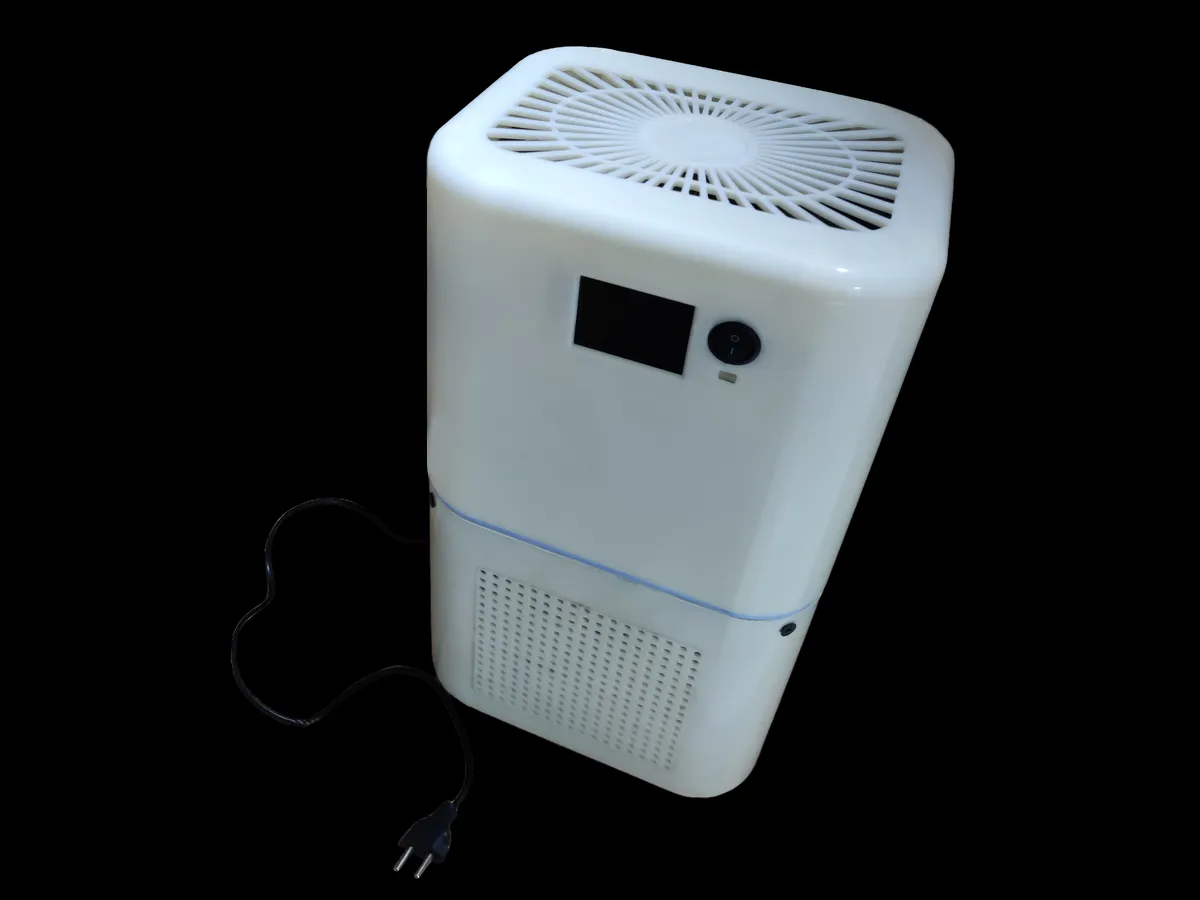
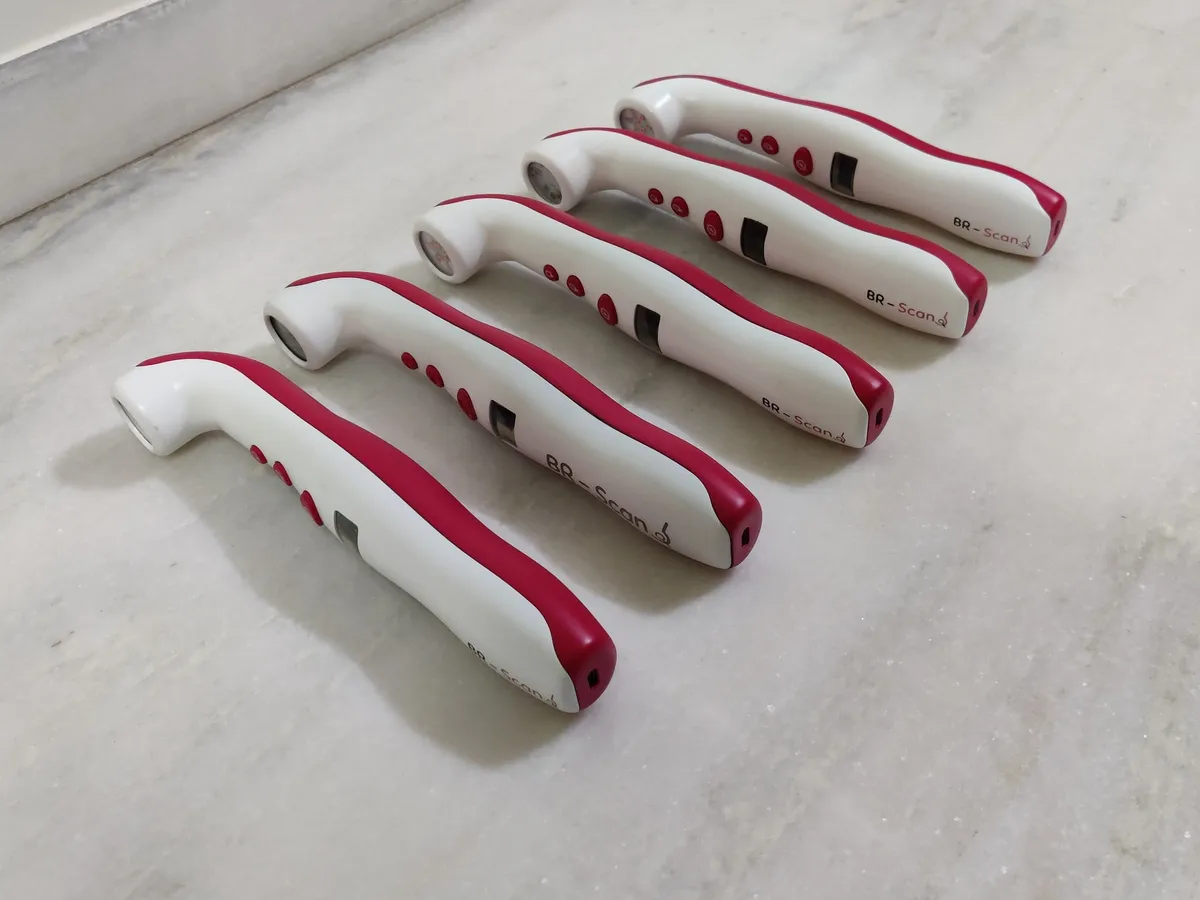
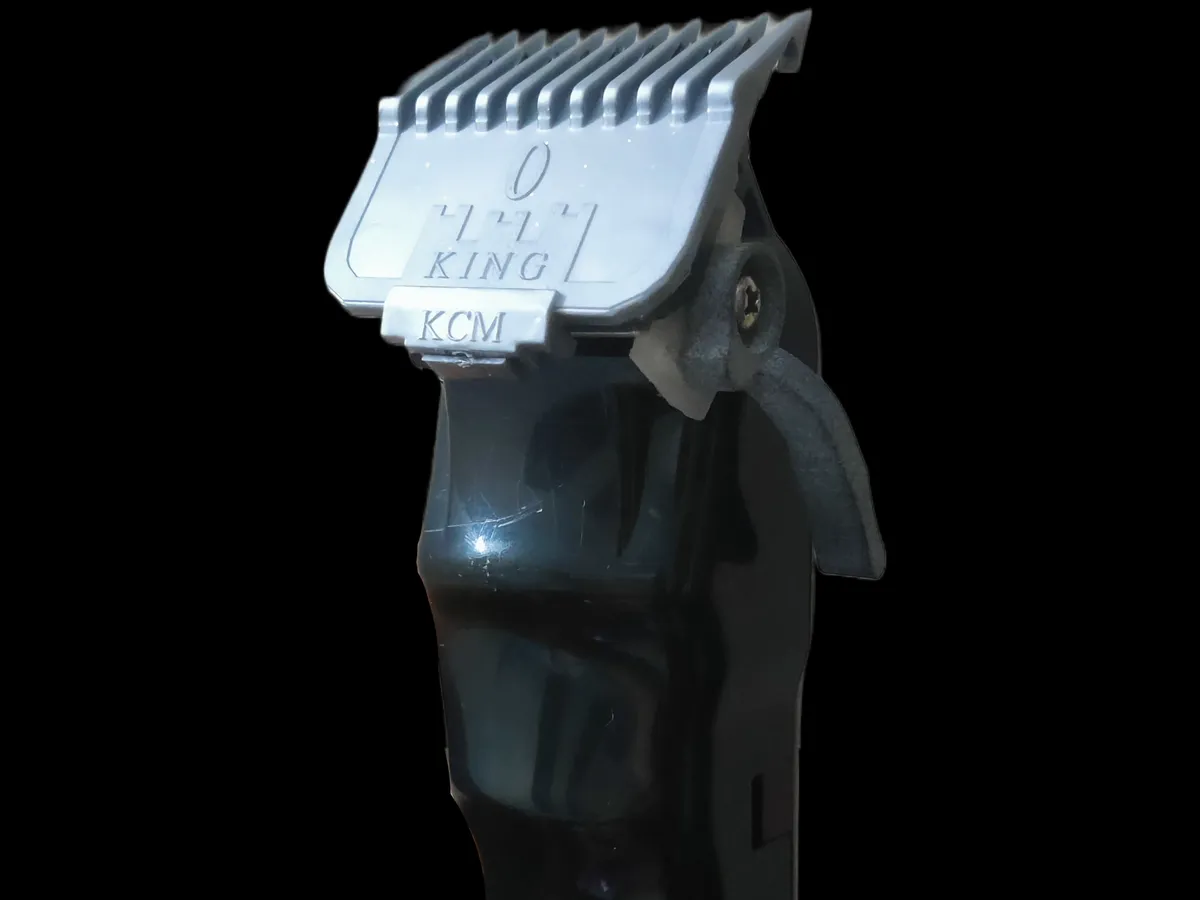
























How Plastic Injection Molding Works
Plastic pellets are melted and injected under high pressure into a closed steel or aluminum mold. The part cools, the mold opens and ejector pins push it out. Then the cycle repeats, every part the same.
- 01
DFM review of your part
We check walls, draft, ribs, undercuts and gate position, and agree any changes with you before the steel is cut.
- 02
Mold build
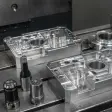
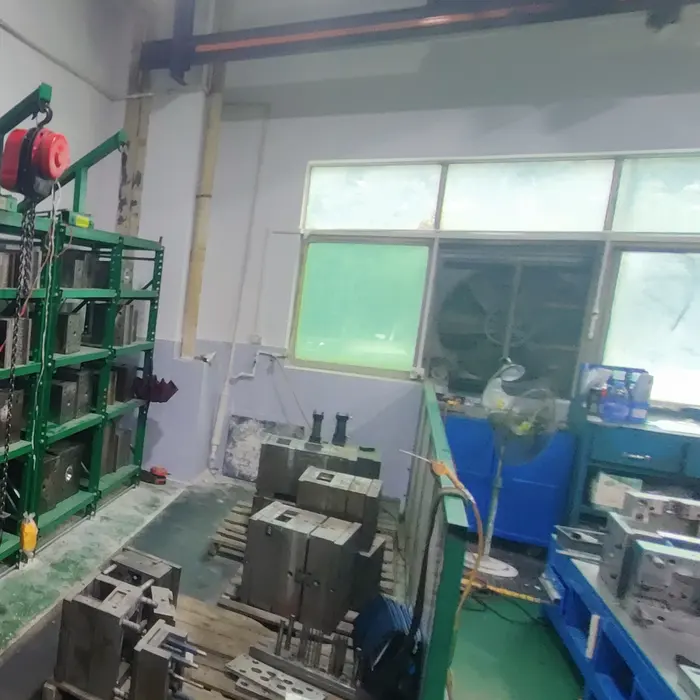
We design and machine the mold in-house, in aluminum for early runs or steel for long life.
- 03
First samples
The mold runs its first shots. You see them on video, then receive physical samples to measure and approve.
- 04
Production run
Your parts are molded with the approved process settings and checked against your drawing during the run.
- 05
Packed and shipped
Parts are counted, packed for retail or bulk and shipped by air or sea, the mold stored for your next order.
Is Plastic Injection Molding Right for Your Part?
Injection molding gives the lowest price per part once the mold is paid for. Here is what it holds, and when another process will serve you better.
Typical plastic molding figures
- Tolerance
- ±0.10 to ±0.20 mm; precision ±0.025 to ±0.05 mm
- Part size
- From a few grams up to about 700 × 500 mm
- Materials
- ABS, PP, PC, PC/ABS, nylon PA6 and PA66, POM, TPE, TPU
- Best-fit quantity
- 500 to 100,000+ parts a year
- Production run
- 2 to 4 weeks per run
- First samples
- 2 to 3 weeks aluminum mold, 4 to 8 weeks steel
Typical values. Your quote confirms the exact figures for your part.
Choose plastic injection molding when you need
- Hundreds to hundreds of thousands of identical parts
- The lowest price per part at volume
- Housings, covers, clips and caps with molded-in detail
- A cosmetic finish straight from the mold
- Snap fits, bosses and ribs in one part
- A part you will reorder for years
Consider instead
- Vacuum castingFor 10 to 25 parts that look molded, before you pay for a mold.Vacuum casting
- 3D printingFor prototypes and designs that still change every week.3D printing
- OvermoldingFor a soft grip or a metal insert molded onto the part.Overmolding
- CNC machiningFor tight tolerances in a few plastic or metal parts.CNC machining
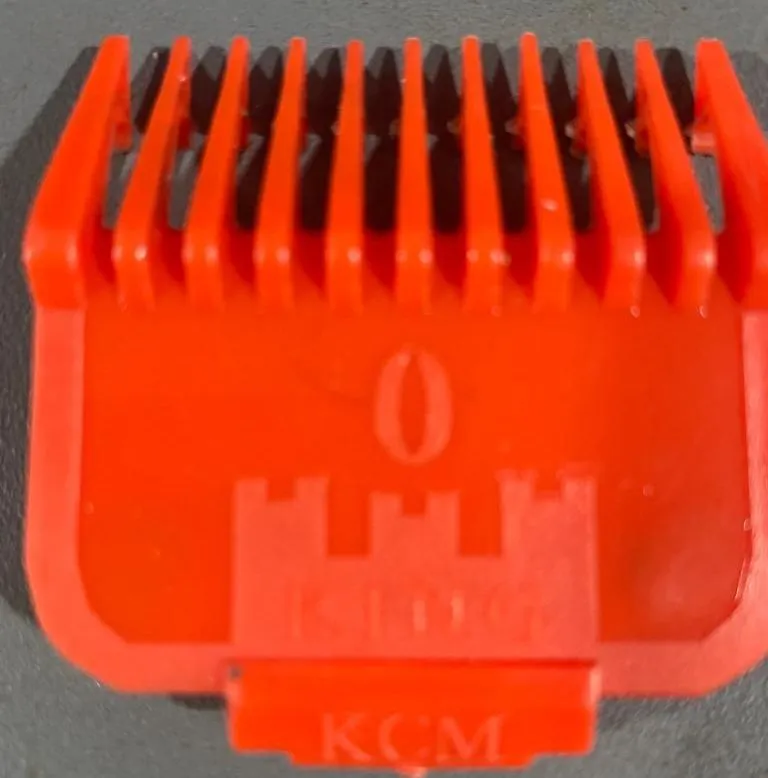
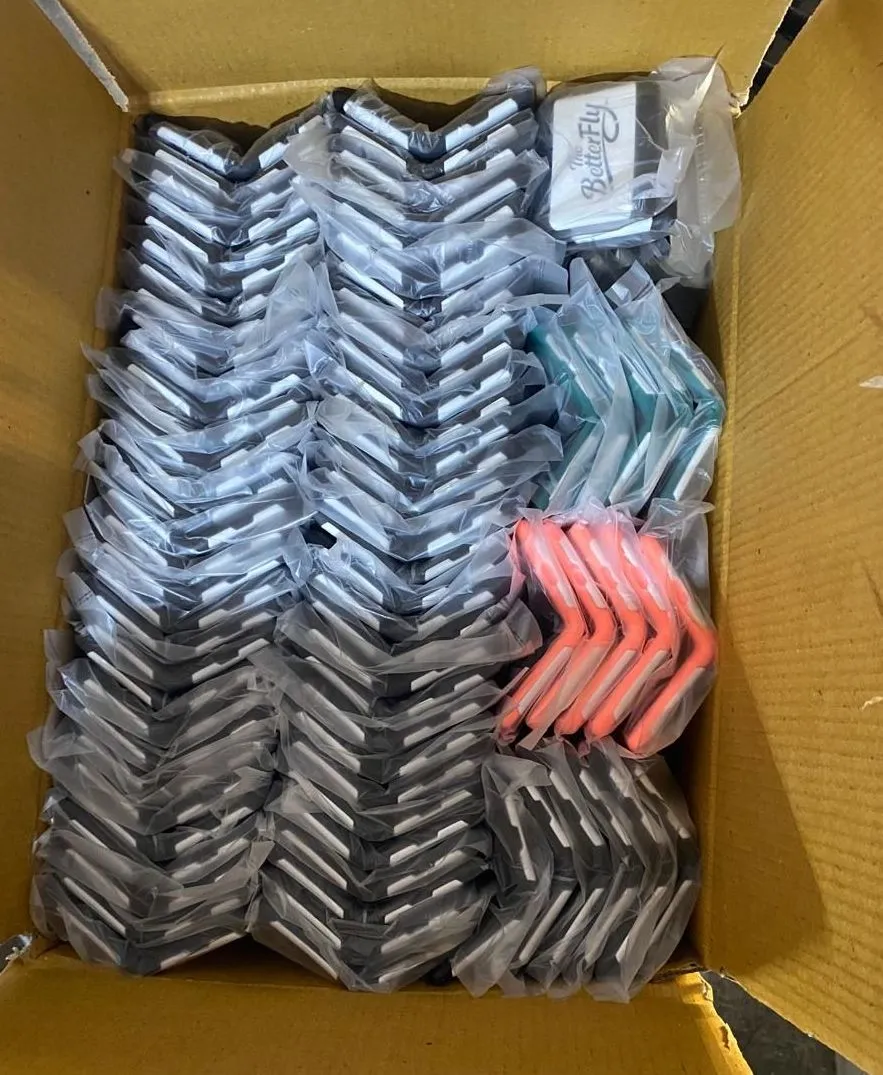
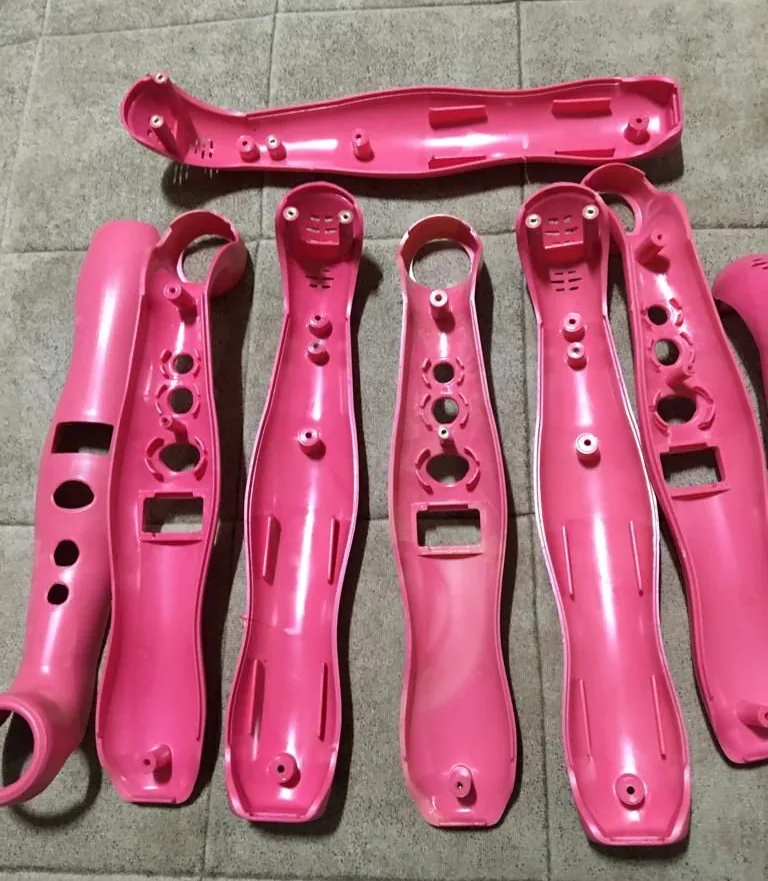
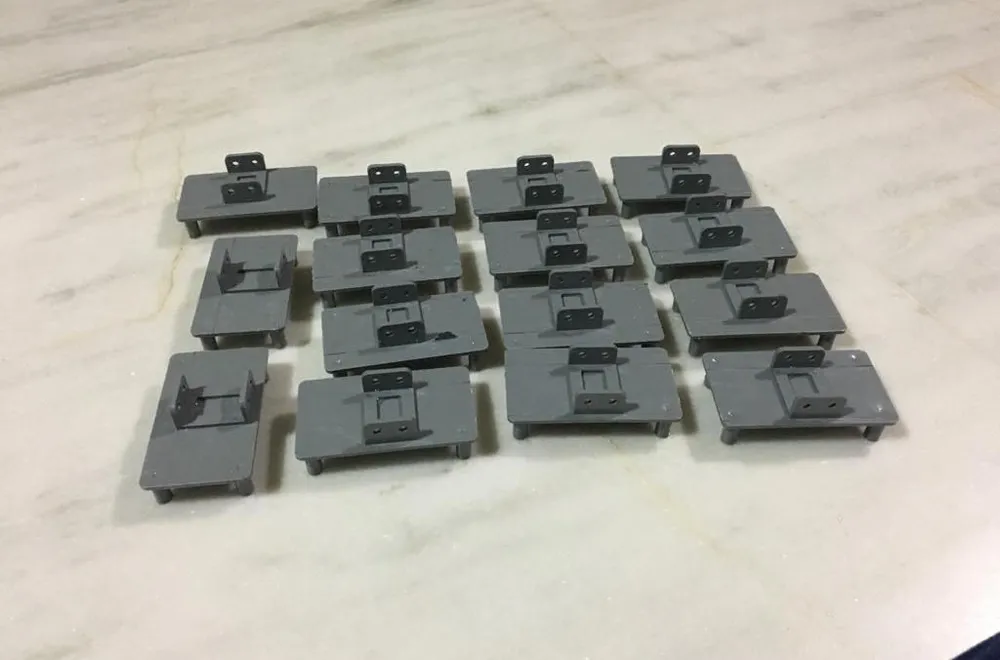
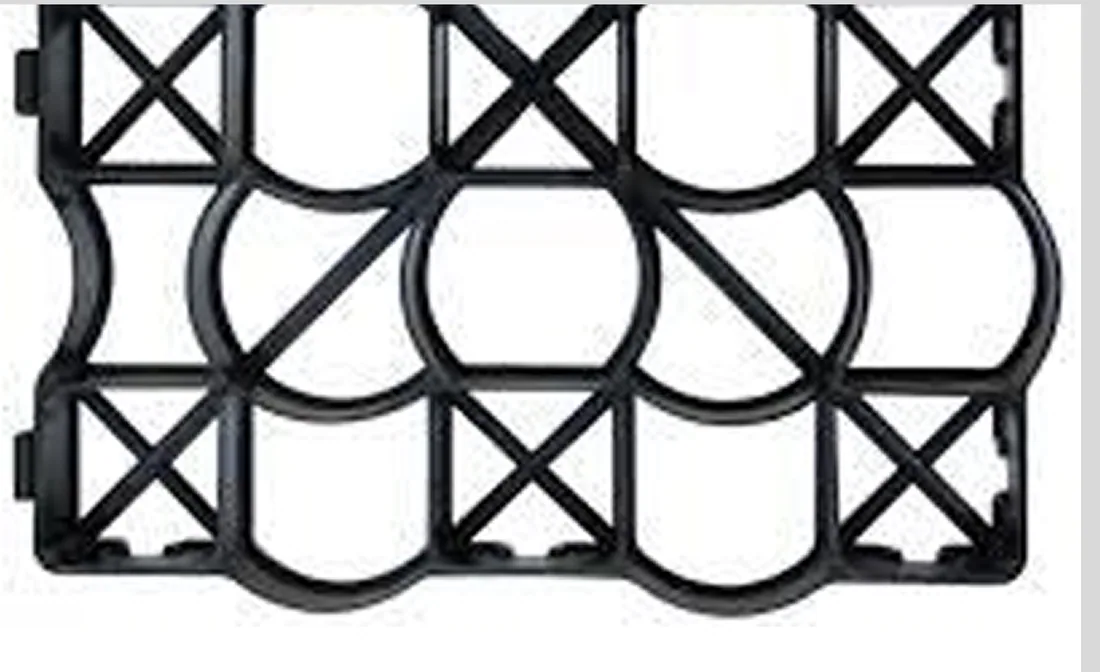
Plastic Parts We Have Molded
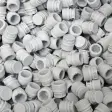
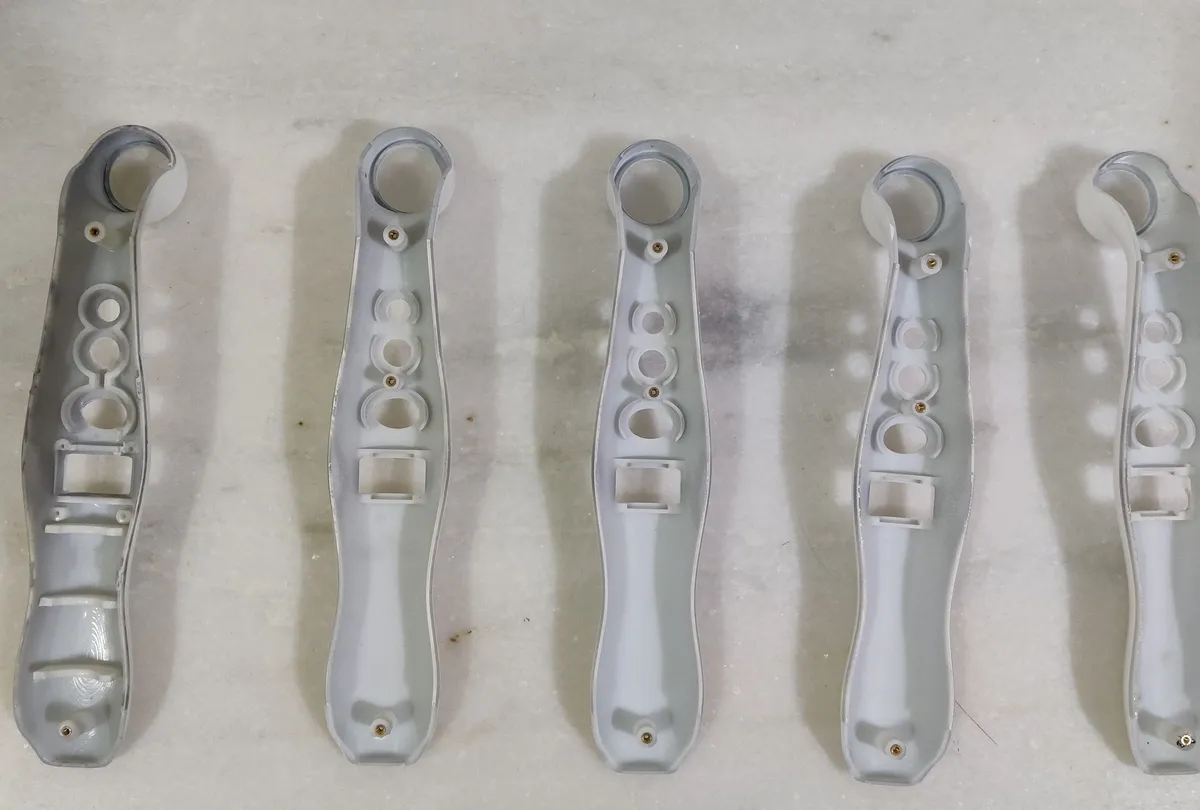
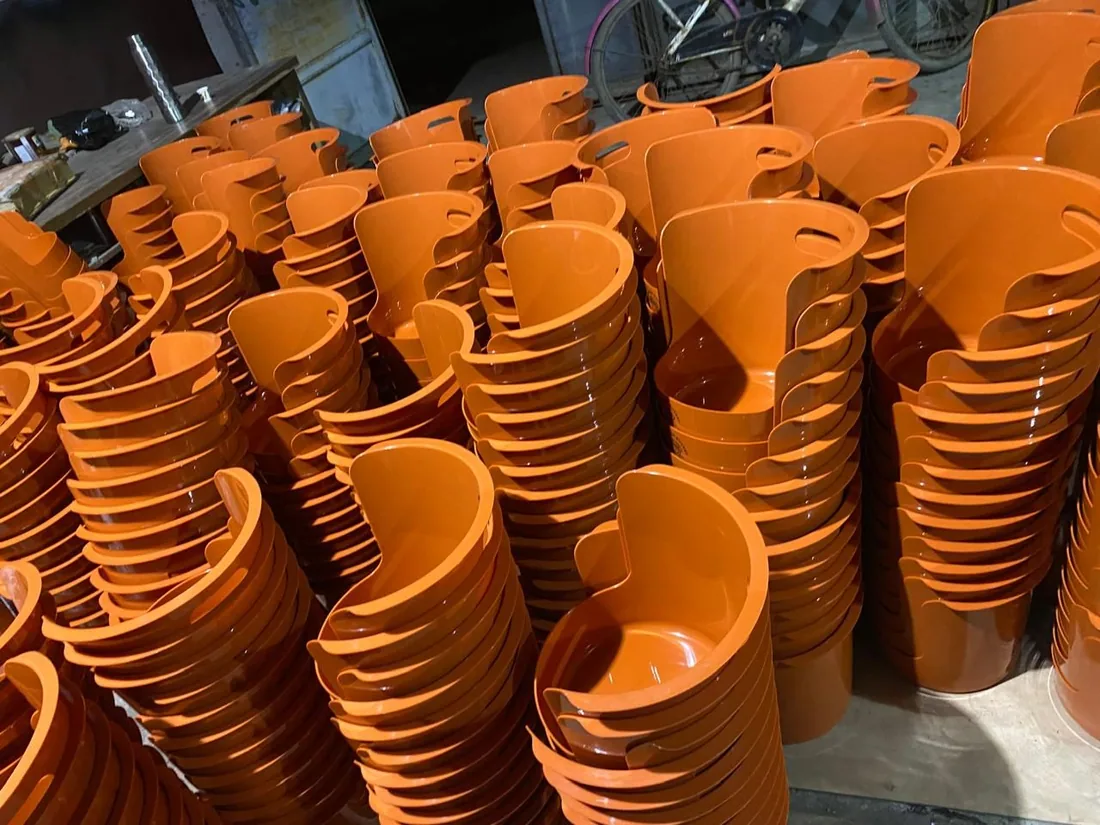
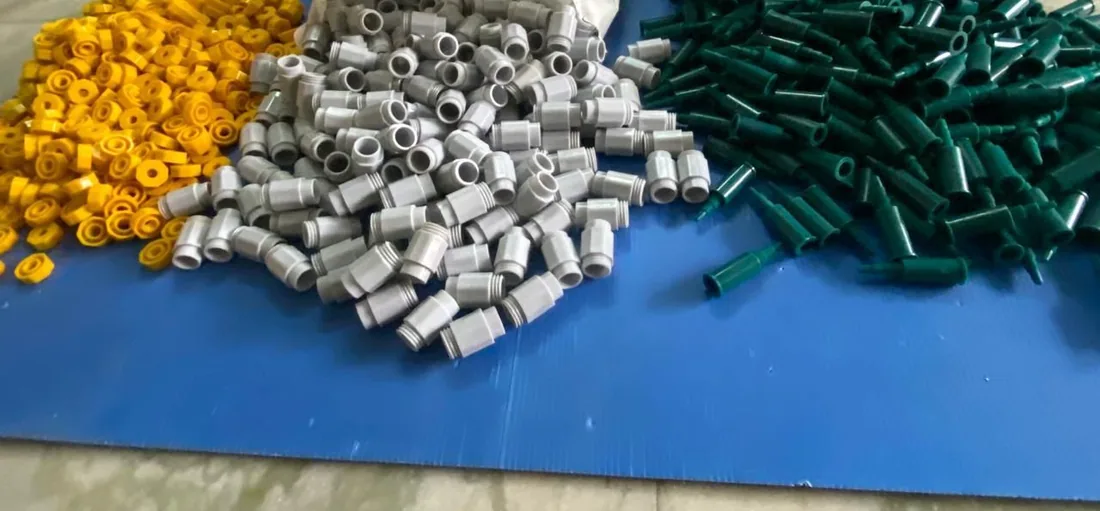
Housings, shells, clips and caps from client products we tooled and molded, shown as they came off production.
Which Plastic Should You Mold In?
Pick by what the part has to survive: impact, heat, chemicals or wear. Not sure? Tell us how the part is used and we recommend a grade.
ABS
Tough, easy to mold
Impact resistant, easy to color and good for a cosmetic finish. The usual first choice for housings.
- Shrinkage
- ≈ 0.4 to 0.7%
- Service temp.
- ≈ −20 to 80 °C
- Tensile strength
- ≈ 40 to 50 MPa
Ideal forHousings, enclosures, consumer products
Polycarbonate (PC)
Strong and clear
High impact strength and clarity, for parts that take knocks or let light through.
- Shrinkage
- ≈ 0.5 to 0.7%
- Service temp.
- ≈ −40 to 120 °C
- Tensile strength
- ≈ 55 to 75 MPa
Ideal forLenses, guards, tough housings
Polypropylene (PP)
Light and chemical-resistant
Low cost and flexible, the plastic for living hinges, caps and food containers.
- Shrinkage
- ≈ 1.0 to 2.0%
- Service temp.
- ≈ −20 to 80 °C
- Tensile strength
- ≈ 25 to 40 MPa
Ideal forContainers, caps, living hinges
Nylon (PA6, PA66)
Strong and wear resistant
Stiff, tough and heat resistant, often glass-filled for parts under load.
- Shrinkage
- ≈ 0.7 to 1.5%
- Service temp.
- ≈ −30 to 150 °C
- Tensile strength
- ≈ 80 to 100 MPa
Ideal forGears, brackets, structural clips
Acetal (POM)
Stiff and low friction
Slides smoothly and holds its size, the choice for small moving parts.
- Shrinkage
- ≈ 1.8 to 2.2%
- Service temp.
- ≈ −40 to 90 °C
- Tensile strength
- ≈ 60 to 70 MPa
Ideal forGears, bushings, snap fits
Acrylic (PMMA)
Glass-clear
Crystal clear and weather resistant, for parts that guide or show light.
- Shrinkage
- ≈ 0.2 to 0.6%
- Service temp.
- ≈ −40 to 85 °C
- Tensile strength
- ≈ 50 to 75 MPa
Ideal forLight guides, lenses, display windows
Typical published values for molded parts. Grades vary, and your quote names the exact one.
Surface Finishes for Molded Plastic Parts
The finish is made in the mold, so decide it before the steel is cut. Secondary operations are done in-house after molding.
- 01
Polished (SPI A and B)
Gloss polished into the cavity, for cosmetic covers and clear parts.
For: ABS, PC, PMMA
- 02
Matte (SPI C and D)
Stone or blasted finish that hides fingerprints and flow marks.
For: All plastics
- 03
Textured (MT and VDI)
A grain in the steel for grip and a premium look. Needs extra draft.
For: All plastics
- 04
Colors and masterbatch
Colors matched with masterbatch, including effects such as glitter.
For: All plastics
- 05
Pad printing
Logos and markings printed onto curved molded surfaces.
For: Rigid plastics
- 06
Inserts, welding and assembly
Threaded inserts, ultrasonic welding and assembly, packed ready to sell.
For: Rigid plastics
Plastic Part Design Rules That Mold Right the First Time
Design to these and your mold costs less, runs faster and makes parts without sink, warp or flash.
Wall thickness
- Recommended
- 1.5 to 3 mm, even across the part
- Why it matters
- Uneven walls sink, warp and cool slowly
Draft
- Recommended
- 1° to 2°, 3° or more on textured faces
- Why it matters
- Parts without draft stick and scuff on ejection
Ribs
- Recommended
- 50 to 60% of the wall they join, height up to 3 times the wall
- Why it matters
- Thick ribs show sink marks on the outside
Inside corners
- Recommended
- Radius of at least half the wall thickness
- Why it matters
- Sharp corners crack and slow the flow
Bosses
- Recommended
- Outer diameter about twice the hole, tied in with ribs
- Why it matters
- Thick or free-standing bosses sink
Snap fits
- Recommended
- Tapered hooks, sized for the plastic’s strain limit
- Why it matters
- Over-stretched hooks whiten or break
Undercuts
- Recommended
- Avoid, or allow for slides and lifters
- Why it matters
- Each side action adds mold cost and time
Text and logos
- Recommended
- 0.3 to 0.5 mm raised or engraved
- Why it matters
- Thin or deep text fills badly
| Rule | Recommended | Why it matters |
|---|---|---|
| Wall thickness | 1.5 to 3 mm, even across the part | Uneven walls sink, warp and cool slowly |
| Draft | 1° to 2°, 3° or more on textured faces | Parts without draft stick and scuff on ejection |
| Ribs | 50 to 60% of the wall they join, height up to 3 times the wall | Thick ribs show sink marks on the outside |
| Inside corners | Radius of at least half the wall thickness | Sharp corners crack and slow the flow |
| Bosses | Outer diameter about twice the hole, tied in with ribs | Thick or free-standing bosses sink |
| Snap fits | Tapered hooks, sized for the plastic’s strain limit | Over-stretched hooks whiten or break |
| Undercuts | Avoid, or allow for slides and lifters | Each side action adds mold cost and time |
| Text and logos | 0.3 to 0.5 mm raised or engraved | Thin or deep text fills badly |
Recommended values for rigid thermoplastics. Your DFM review confirms them for your part and plastic.
Plastic Injection Molding Questions
What plastic parts can you injection mold?
Housings, covers, shells, clips, caps, brackets, handles and small precision parts, from a few grams up to about 700 × 500 mm, in ABS, PP, PC, PC/ABS, nylon, POM, TPE and other thermoplastics.
How much does a plastic injection mold cost?
It depends on part size, complexity, steel, cavity count and any slides or lifters. We quote the mold and the price per part as separate lines within 24 hours of receiving your 3D model and yearly quantity.
How many parts make injection molding worth it?
Usually from a few hundred parts a year. Below that, vacuum casting or 3D printing often costs less in total. Tell us your quantity and we compare the options.
Can you help me choose the plastic?
Yes. Tell us about load, heat, chemicals, sunlight, food contact and the look you want, and we recommend a grade before the mold is built.
Will I see parts before production starts?
Yes. You see the first shots on video, then receive physical samples to measure and approve. Production starts only after your approval.
How are parts checked during production?
Every order is checked against your drawing before packing. Measured sample reports, first article inspection reports and material certificates are available on request.
Trusted By Product Companies Worldwide
Verified reviews from clients in USA, UK, Germany, Australia, Canada and more.
Ready to mold?
Get Your Plastic Parts Molded
Send a STEP file and your yearly quantity. An engineer reviews it for molding and replies with mold and part prices within 24 hours.


