













































Silicone Molding for Seals, Grips and Soft-Touch Parts
Liquid silicone rubber molded into parts that flex, seal and stay soft from about −50 °C to 200 °C. We build the mold, sample it and mold your parts, alone or alongside the rigid plastic parts of the same product.
Compare all molding methods- Shore A hardness
- 10 to 80
- Service temperature, up to about
- 200 °C
- Mold ownership from day one
- Yours
- First samples, typical
- 4 to 8 weeks
























How Silicone Molding Works
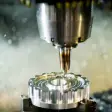
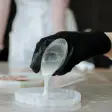
Two liquid silicone components are mixed and injected into a heated mold, where the silicone cures into a soft, solid part in seconds to minutes. The mold opens, the flexible part comes out, and its gate is trimmed.
- 01
DFM review of your part
We check wall thickness, undercuts, the parting line and where the part will be gated and vented.
- 02
Silicone grade and hardness
We agree the Shore A hardness, the color and any food-contact or heat need before the mold is built.
- 03
Mold build and first shots
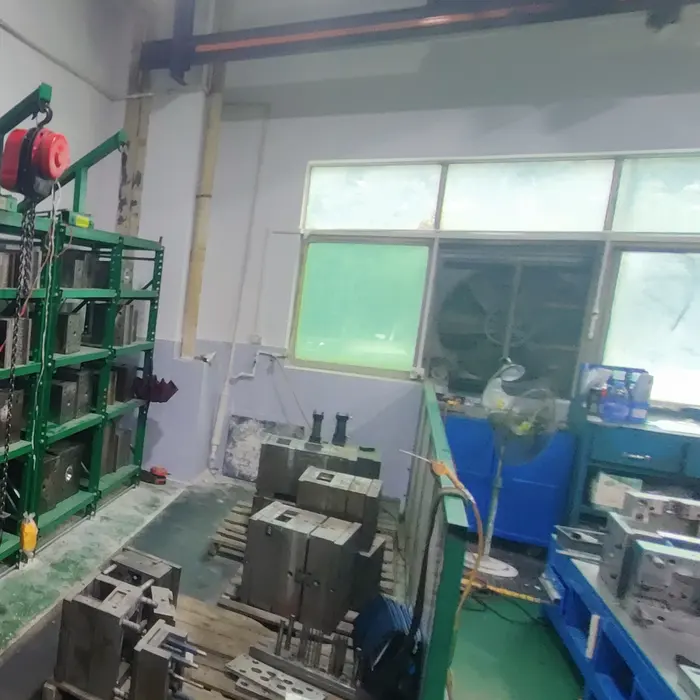
The heated mold is machined in-house. You see the first parts on video, then approve physical samples.
- 04
Molding and trimming
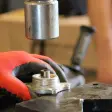
Parts are molded, gates and flash are trimmed, and size, softness and surface are checked.
- 05
Packed and shipped
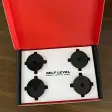
Parts are packed loose or fitted to their plastic parts, then shipped by air or sea.
Is Silicone Molding Right for Your Part?
Silicone stays soft over a wide temperature range and seals well. Here is what it holds, and when another material or process fits better.
Typical silicone molding figures
- Tolerance
- About ±0.1 to ±0.2 mm
- Hardness
- 10 to 80 Shore A
- Service temperature
- About −50 °C to 200 °C
- Materials
- Liquid silicone rubber (LSR), HCR silicone, fluorosilicone
- Best-fit quantity
- A few hundred parts a year and up
- First samples
- 4 to 8 weeks after design sign-off
Typical values. Your quote confirms the exact figures for your part.
Choose silicone molding when you need
- Seals, gaskets and O-ring style parts
- Soft-touch grips, sleeves and liners
- Parts that stay flexible in heat or cold
- Skin-contact or food-contact parts
- Keypads, covers and protective boots
- A soft part to fit a molded plastic part
Consider instead
- OvermoldingFor a soft layer bonded straight onto a rigid part.Overmolding
- Plastic injection moldingFor TPE parts, often at a lower price per part than silicone.Plastic molding
- Vacuum castingFor 10 to 25 rubber-like prototype parts before you pay for a mold.Vacuum casting
- 3D printingFor flexible TPU prototypes to check fit and feel.3D printing
Silicone Parts From a Real Production Run
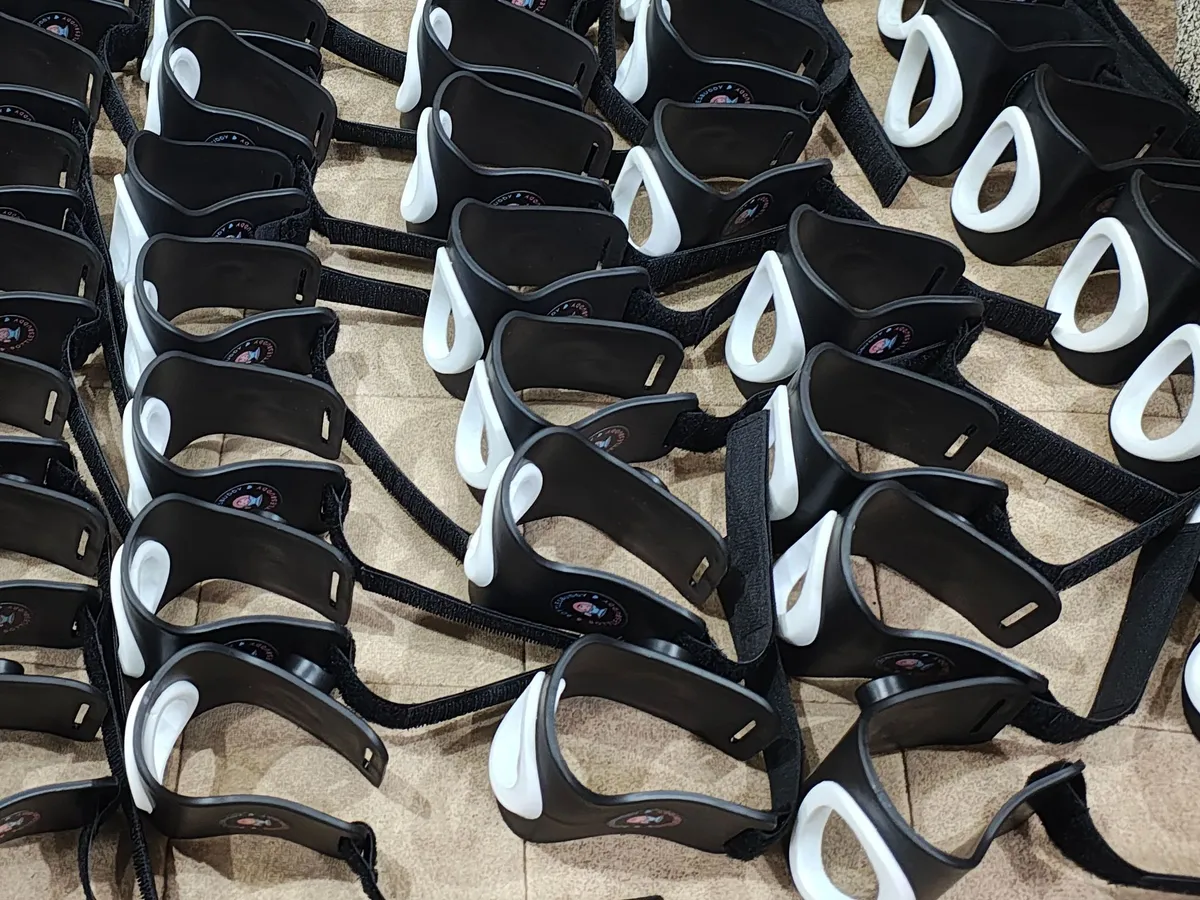
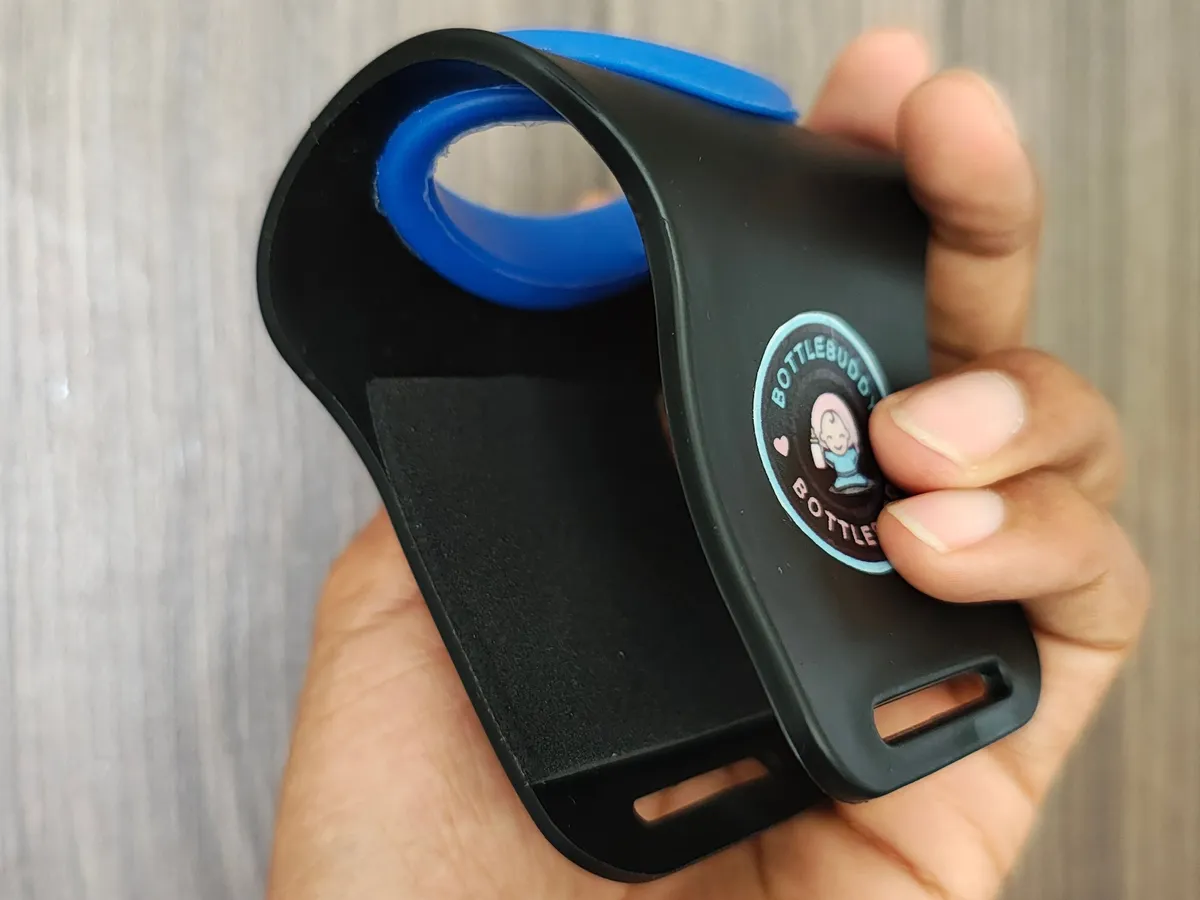
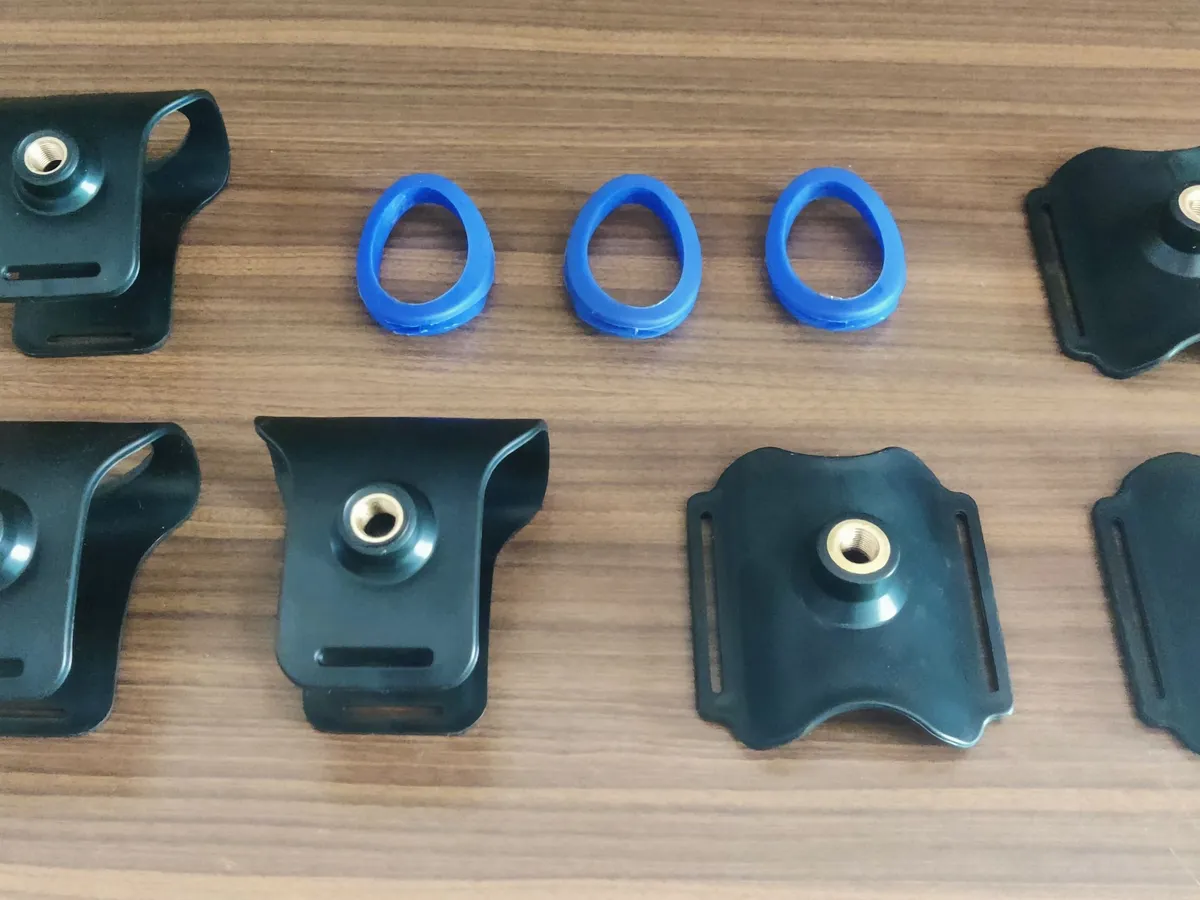
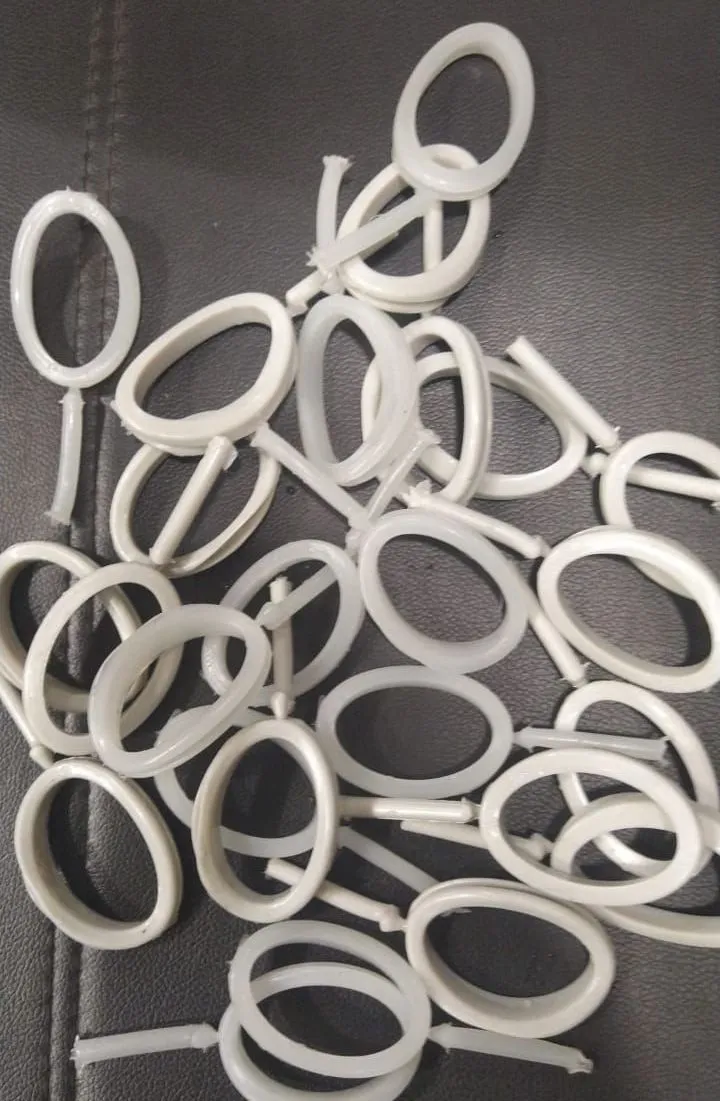
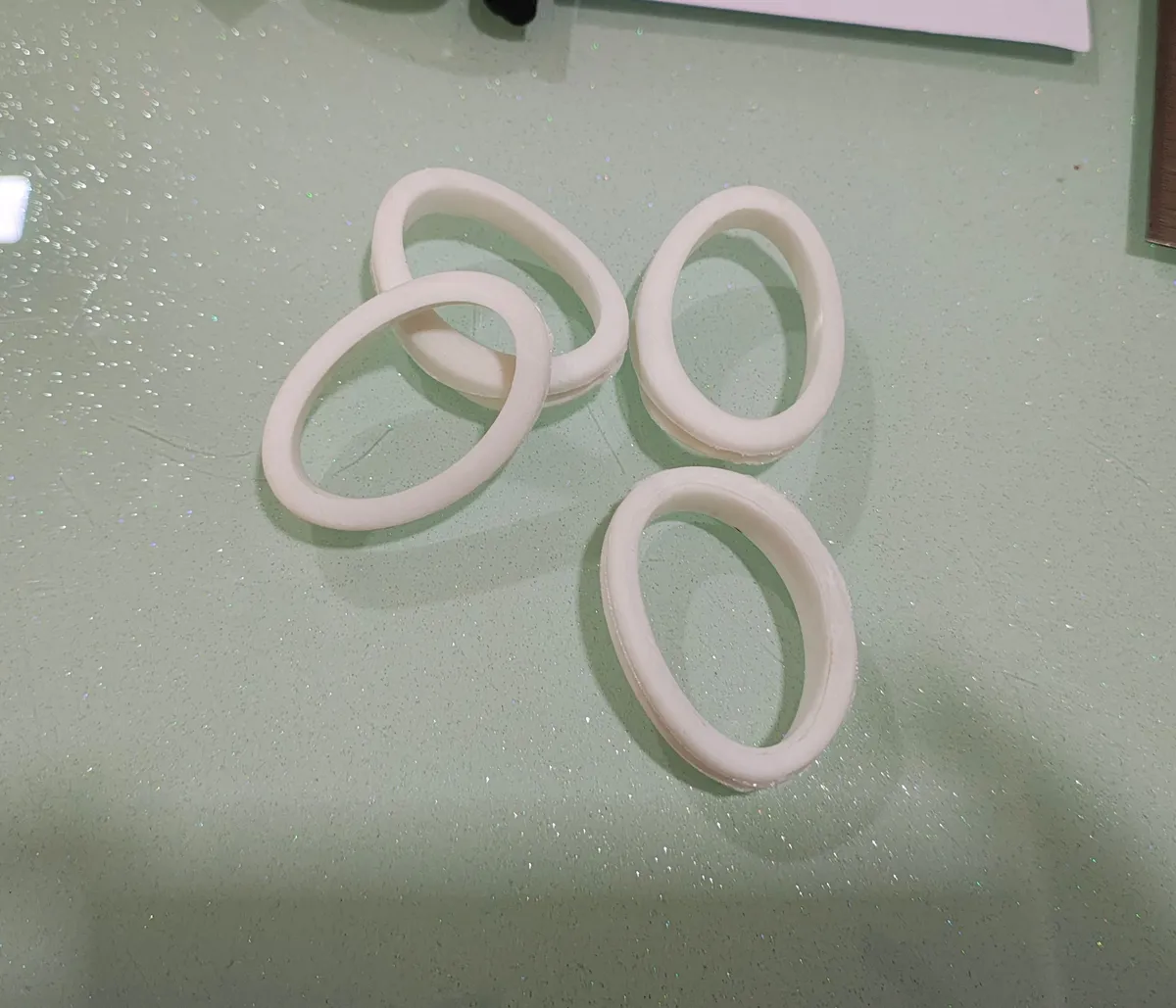
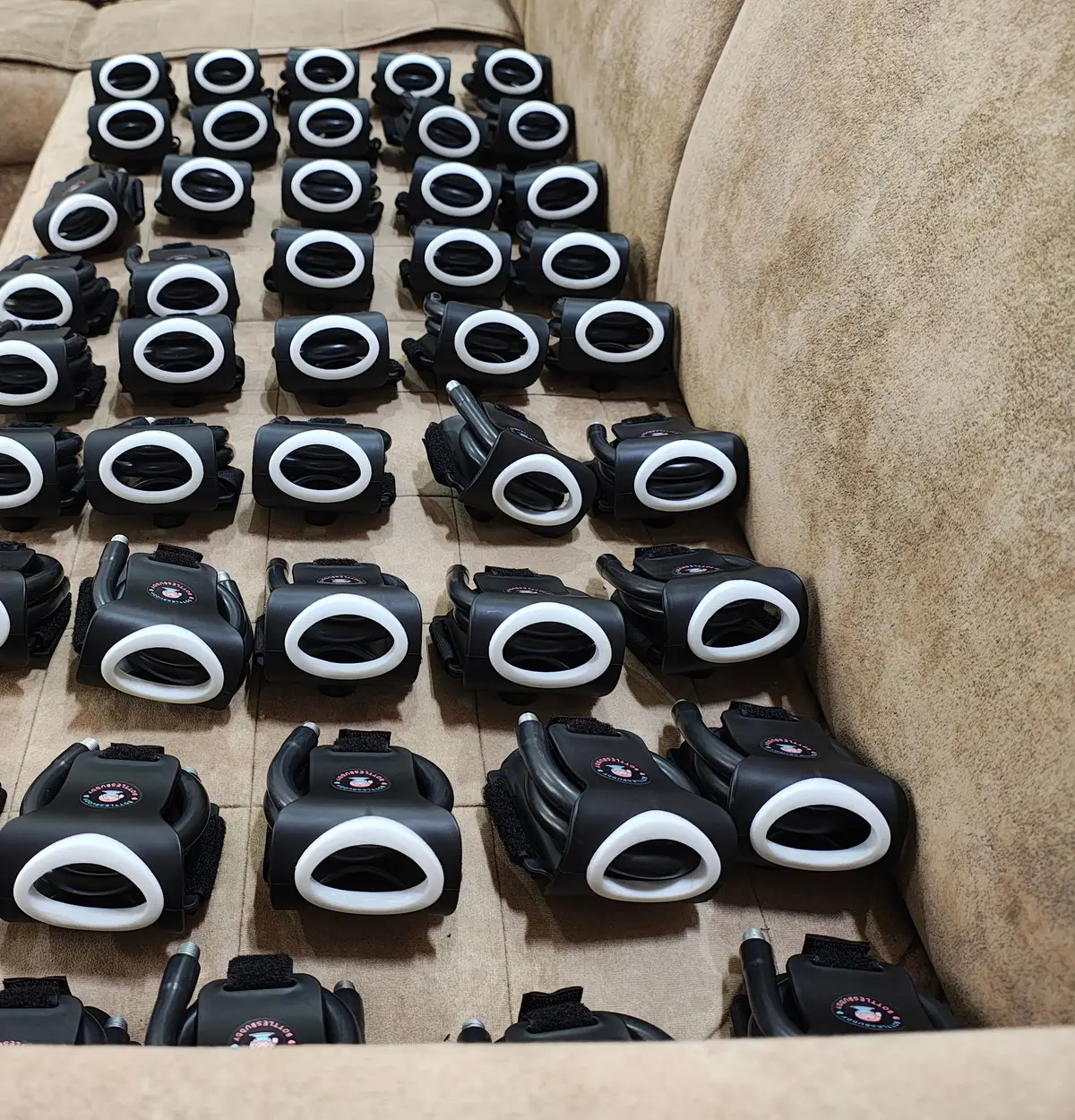
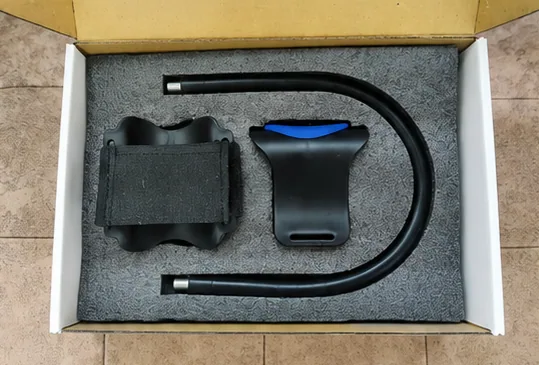
Molded silicone liners for a baby bottle holder that now sells on Amazon USA, from the mold to the finished product.
Which Silicone Should You Choose?
Pick by softness and by what the part meets in use: heat, oils and fuels, or skin. We confirm the grade with you before the mold is built.
Liquid silicone rubber (LSR)
Precise and consistent
Flows into fine detail and cures fast, the usual choice for molded silicone parts at volume.
- Hardness
- 10 to 80 Shore A
- Service temp.
- ≈ −50 to 200 °C
- Elongation
- Up to ≈ 700%
Ideal forSeals, liners, skin-contact parts
HCR silicone
High consistency rubber
A firmer, paste-like silicone that holds up to heat and wear, for larger or thicker parts.
- Hardness
- 20 to 80 Shore A
- Service temp.
- ≈ −50 to 200 °C
- Elongation
- Up to ≈ 600%
Ideal forGaskets, grommets, industrial parts
Fluorosilicone (FVMQ)
Oil and fuel resistant
Keeps silicone’s flexibility with much better resistance to fuels, oils and solvents.
- Hardness
- 30 to 80 Shore A
- Service temp.
- ≈ −60 to 175 °C
- Chemical resistance
- High
Ideal forSeals near fuels, oils and solvents
Typical published values. Grades vary, and your quote names the exact one.
Silicone Finishes and Colors
The surface comes from the mold. Silicone takes color well, so parts can match a brand or tell sizes apart.
- 01
Smooth and glossy
A polished cavity gives a smooth, slightly glossy skin.
For: LSR, HCR
- 02
Matte
A blasted cavity gives a soft matte feel that hides marks.
For: LSR, HCR
- 03
Textured grip
A texture or pattern cut into the mold for grip.
For: LSR, HCR
- 04
Custom colors
Pigmented to your color, from pastels to brand colors.
For: All grades
- 05
Trimmed gates and flash
Gate stubs and parting-line flash trimmed by hand or fixture.
For: All grades
- 06
Fitted and packed
Fitted to its plastic parts and packed with the product.
For: All grades
Silicone Part Design Rules
Silicone flexes, so it forgives undercuts that plastic would not. These recommended values keep parts filling cleanly and tearing less.
Wall thickness
- Recommended
- 0.5 to 6 mm, as even as you can
- Why it matters
- Very thick sections cure slowly and unevenly
Draft
- Recommended
- 0.5° to 1° is usually enough
- Why it matters
- Soft parts stretch off the core, but still need some draft
Undercuts
- Recommended
- Small undercuts are fine; keep them gently curved
- Why it matters
- The part stretches out of them, sharp ones tear
Inside corners
- Recommended
- Generous radii, no knife edges
- Why it matters
- Sharp corners are where silicone tears
Sealing lips
- Recommended
- Taper lips and size the squeeze to 15 to 30%
- Why it matters
- Too much squeeze tears, too little leaks
Tolerances
- Recommended
- About ±0.1 to ±0.2 mm; mark only critical sizes
- Why it matters
- Silicone shrinks and flexes more than plastic
| Rule | Recommended | Why it matters |
|---|---|---|
| Wall thickness | 0.5 to 6 mm, as even as you can | Very thick sections cure slowly and unevenly |
| Draft | 0.5° to 1° is usually enough | Soft parts stretch off the core, but still need some draft |
| Undercuts | Small undercuts are fine; keep them gently curved | The part stretches out of them, sharp ones tear |
| Inside corners | Generous radii, no knife edges | Sharp corners are where silicone tears |
| Sealing lips | Taper lips and size the squeeze to 15 to 30% | Too much squeeze tears, too little leaks |
| Tolerances | About ±0.1 to ±0.2 mm; mark only critical sizes | Silicone shrinks and flexes more than plastic |
Recommended values. Your DFM review confirms them for your part and silicone grade.
Silicone Molding Questions
What silicone parts can you mold?
Seals, gaskets, liners, grips, sleeves, keypads, protective covers and other soft parts, molded alone or to fit the rigid plastic parts of the same product.
What is the difference between LSR and HCR silicone?
Liquid silicone rubber (LSR) is pumped and injected, fills fine detail and suits volume production. High consistency rubber (HCR) is a firmer paste, usually compression molded, and suits larger or thicker parts. We recommend one for your part.
Can you help me choose the hardness?
Yes. Silicone runs from very soft (about 10 Shore A) to firm (about 80 Shore A). Tell us how the part should feel and what it seals or protects, and we suggest a hardness, with samples to compare if needed.
Should I use silicone or TPE?
Silicone handles much wider temperatures and keeps its feel over time. TPE molds like a plastic and usually costs less per part. If the part stays near room temperature, TPE may be enough; we will tell you honestly.
Can silicone parts be made in custom colors?
Yes. Silicone is pigmented to your color, and different colors can mark sizes or variants of the same part.
Who owns the silicone mold?
You do, from day one, like every mold we build for you. It is recorded in its mold passport and never used for another client.
Trusted By Product Companies Worldwide
Verified reviews from clients in USA, UK, Germany, Australia, Canada and more.
Need soft parts?
Get Your Silicone Parts Molded
Send a 3D model, the hardness and your yearly quantity. An engineer reviews it and replies with mold and part prices within 24 hours.


