
Box with Water WO Water: A Waterproof Case for Medical Transport
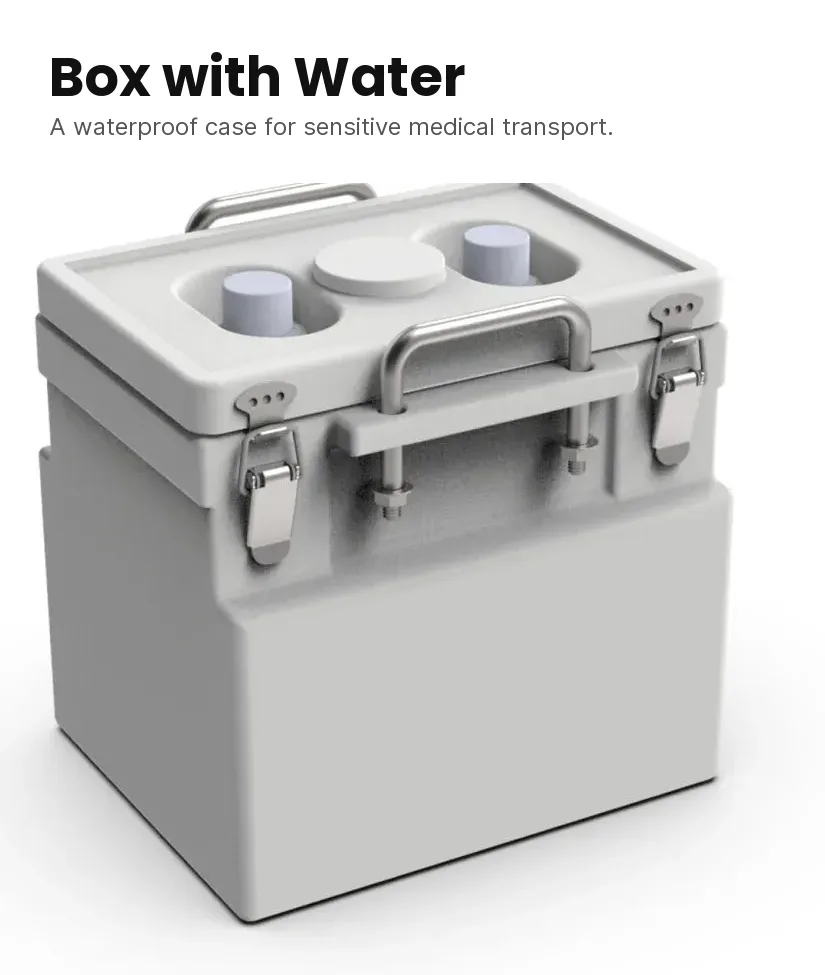
Protecting sensitive objects without letting them touch the walls
Our client needed a waterproof container engineered to safely transport sensitive medical objects with maximum protection and stability during handling.
The core requirement was unusual: the contents could not be allowed to touch the enclosure walls, even during motion, while the box itself stayed sealed against moisture and contamination.
What made this project hard
No contact with the walls
Securing the contents without allowing them to touch the enclosure during handling or motion.
Fully sealed against moisture
A waterproof design that isolates contents from external moisture and contamination.
Two manufacturing paths
Versions suited to both 3D printing and sheet metal fabrication, for different production scales.
From a sealed shell to a suspension system that protects
Two manufacturing variants, one suspension mechanism.
Waterproof Enclosure
A sealed design isolating contents from moisture and contamination.
Suspension Engineering
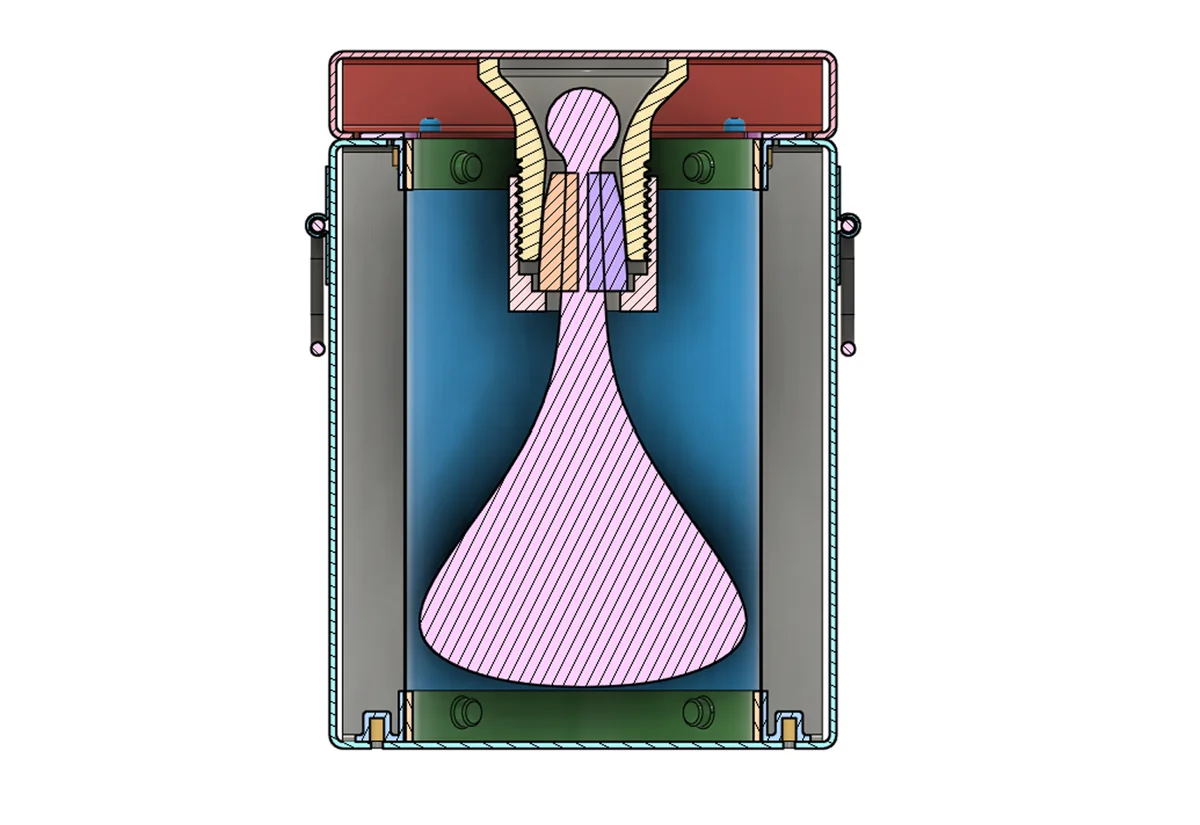
A latex membrane system keeping objects off the box walls.
Dual Manufacturing Variants
3D printing and sheet metal fabrication versions developed.
Air Travel Optimization
A follow-on phase for lightweight, pressure-resistant transport.
A sealed enclosure built for moisture and contamination
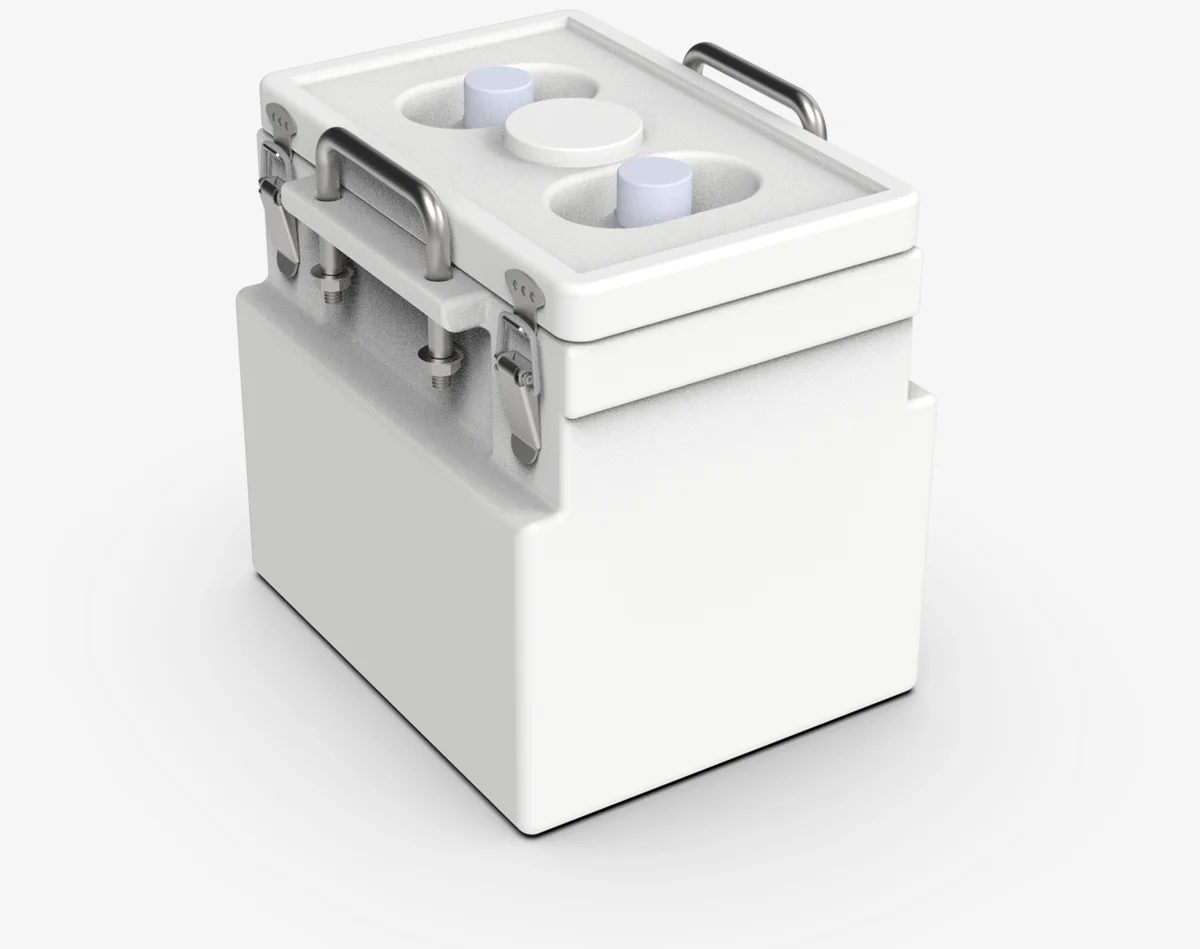
The 3D printed waterproof enclosure was engineered as a sealed design, isolating the contents from external moisture and contamination during transport.
A latex membrane that keeps contents off the walls
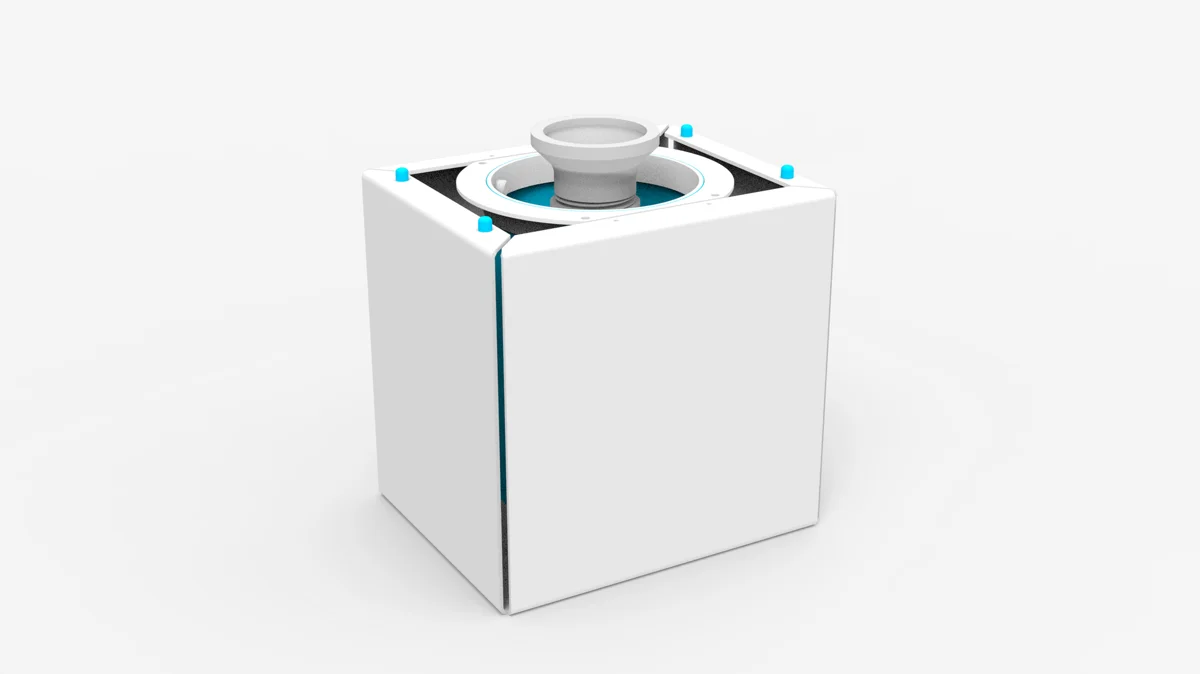
A flexible suspension mechanism using a latex membrane was engineered to prevent the inner object from contacting the box walls, while maintaining stability and cushioning throughout handling.
Two manufacturing variants for two production scales
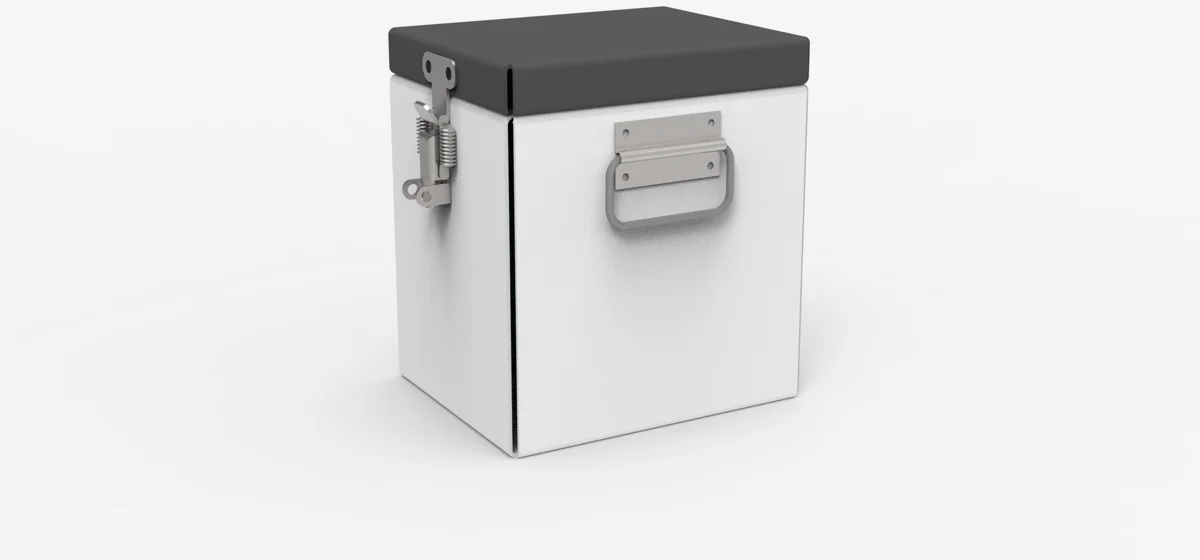
Versions were developed for both 3D printing and sheet metal fabrication, letting the client choose the production method that fit their scale and budget.
Extending the design for air travel
A subsequent development phase is focused on lightweight construction and enhanced pressure resistance to make the design suitable for aerial transport.
What shipped
"The design performed beyond expectations, ensuring smooth handling and excellent protection."
Questions We Hear About This Project
How do you keep an object from touching the enclosure walls without just padding it in foam?
Foam compresses and shifts under repeated handling. A latex membrane suspension system was engineered instead, holding the object off the walls under motion while keeping the whole assembly sealed against moisture.
Why build both a 3D-printed and a sheet metal version of the same design?
The two manufacturing paths let the client choose based on their actual production scale and budget rather than being locked into one process that may not fit their real order size.
Is this enclosure suitable for air transport as-is?
The initial design targets ground handling. A follow-on development phase specifically addresses lightweight construction and pressure resistance for aerial transport, since that has different structural requirements.
Have a protective enclosure to engineer?
Free 30-minute consultation. A real engineer reads your brief, not a bot.