































Different organs, different transport needs
Following a successful functional prototype, the client’s organ transport solution received strong feedback and demand from doctors. The next request was clear: dedicated transport boxes for specific organs, because a heart and a lung each have their own positioning, protection and environmental requirements.
The boxes also had to travel. The client needed a commercial, air-travel-friendly system that can be reliably checked in and carried through airports, with a robust, secure product experience and an elegant look rather than the feel of a medical prototype.
CADLETE Designs was asked to take the system from R&D to a commercial product, covering everything from the enclosure and internal mechanisms to the electronics, firmware and app.
The goal
A complete, commercial organ transport ecosystem combining mechanical design, embedded electronics, firmware and software, ready for real clinical use and growing demand.
What a medical carry case rarely manages all at once
An organ transport box has to protect its contents, prove its temperature history, survive baggage handling and pass airport security, while looking like a finished medical product.
Air travel requirements
The system had to handle airport check-in, including separating the battery for security procedures.
Organ-specific support
Heart and lung transport each needed a different internal support system.
Rough handling
Electronics and internal components had to stay protected through airport luggage handling.
Reliable monitoring
Temperature had to be monitored, alerted and recorded throughout every trip.
From R&D prototype to a commercial organ transport system
Six stages, shown with the real enclosures, electronics, support assemblies and app from this project.
Stage 01 · Enclosure redesign
A sheet metal enclosure built to travel
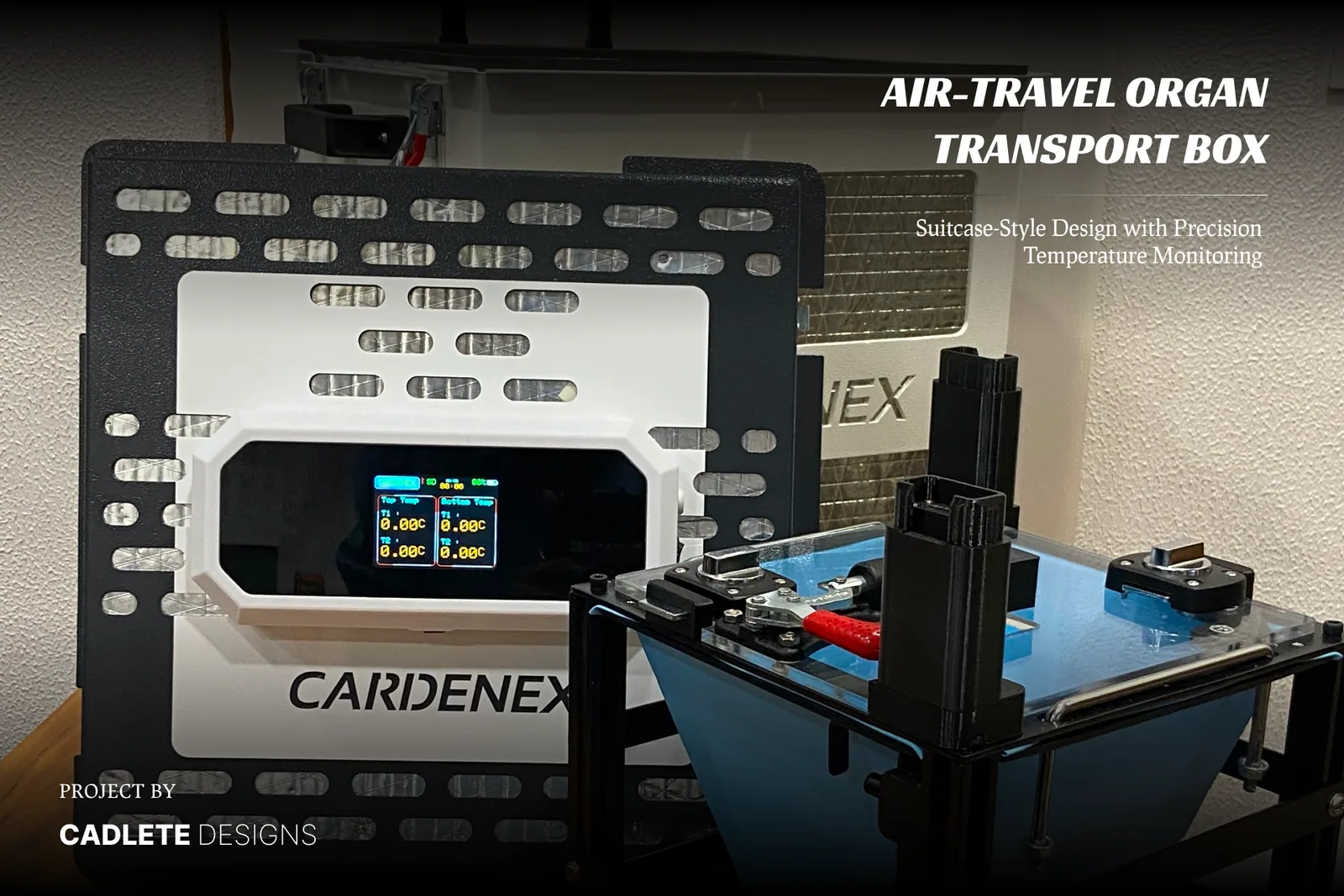
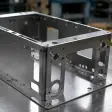
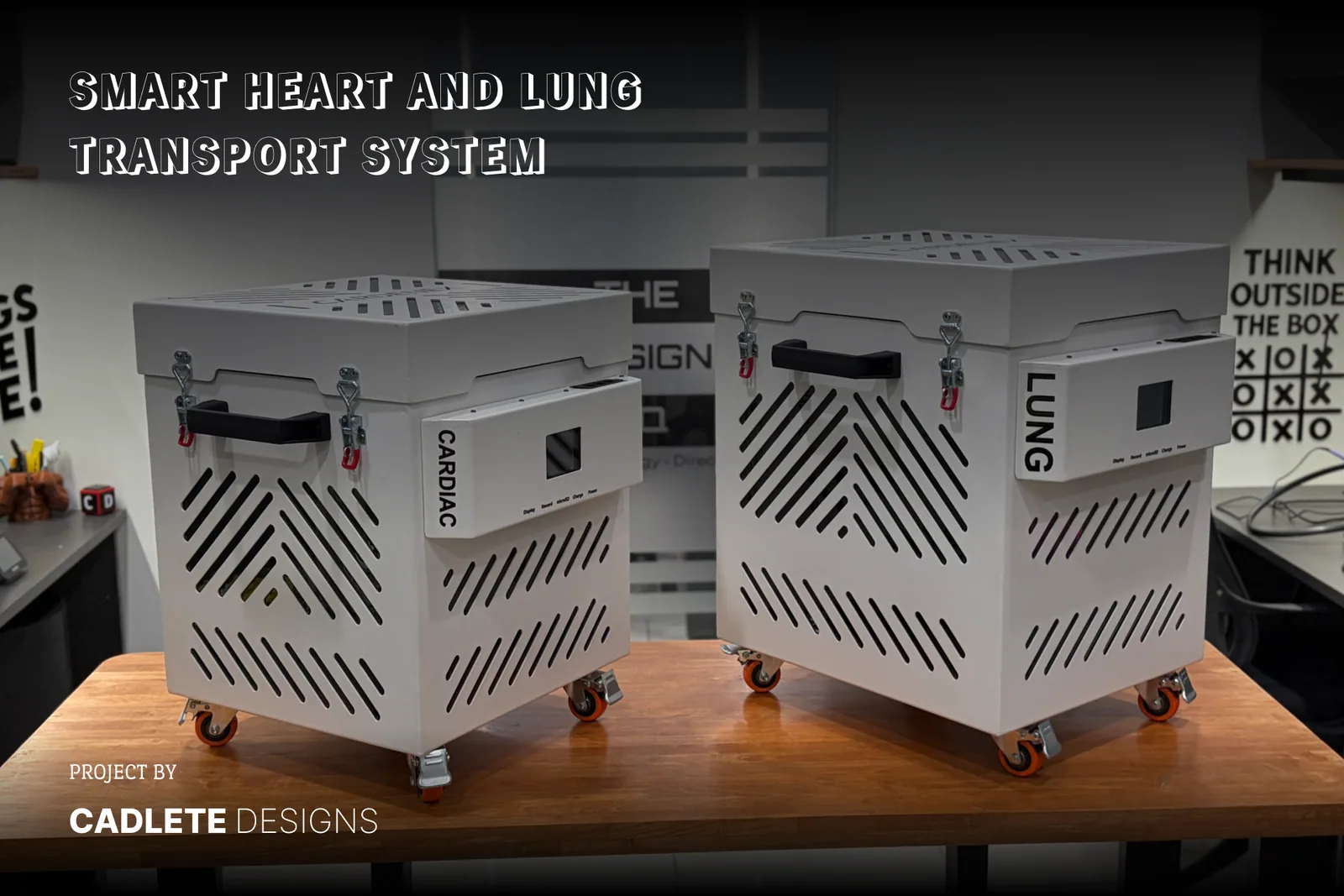
We completely redesigned and optimized the enclosure using sheet metal fabrication, simplifying the structure wherever possible while keeping it strong and reliable.
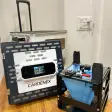
Each box has integrated trolley handles and wheels for easier transport, a side-mounted display for quick monitoring and a user-friendly lid mechanism for easy opening and closing.
- Sheet metal fabrication
- Trolley handles and wheels
- Side-mounted display
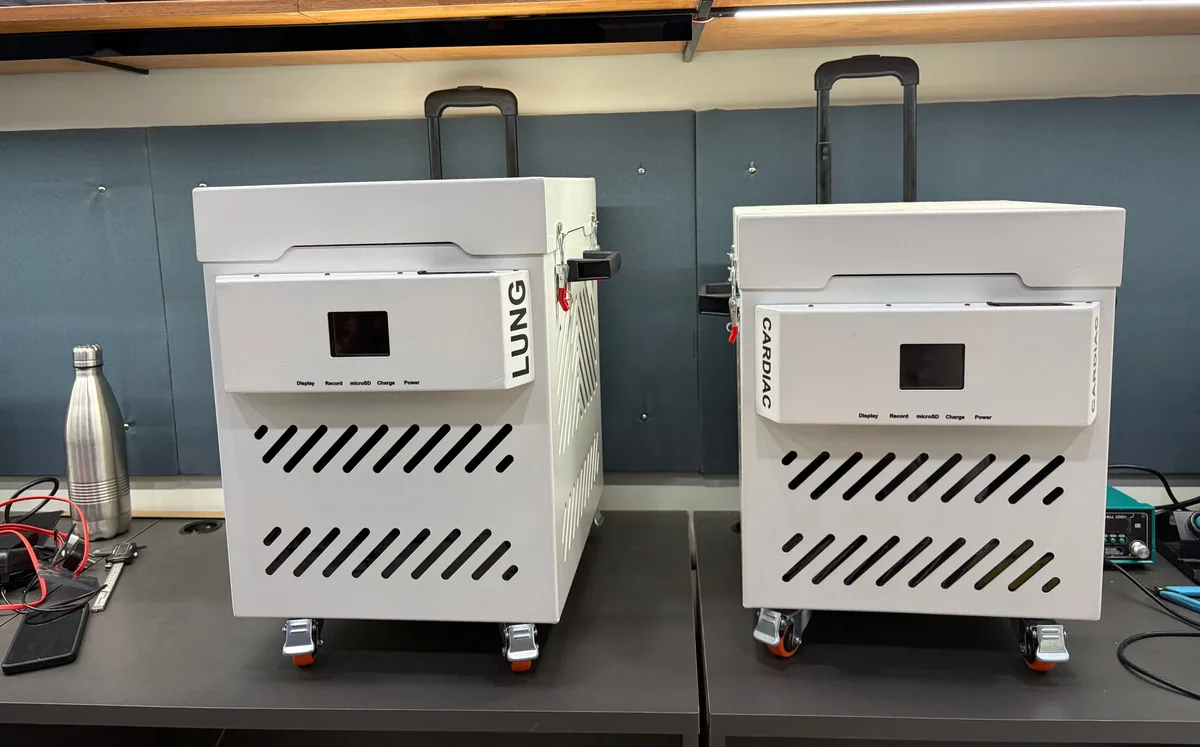
The lung and cardiac boxes. Stage 02 · Custom electronics
One custom PCB, a display and a removable battery
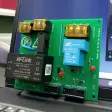
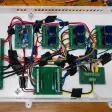
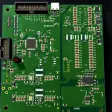
We moved from the separate off-the-shelf modules of the earlier POCs to a custom integrated PCB that combines the electronic functions into one compact hardware system.
The battery pack is designed for air travel: it can be removed and reinstalled easily, so it can be separated from the box during airport security or check-in.
- Custom PCB design and fabrication
- Integrated display
- Removable battery pack
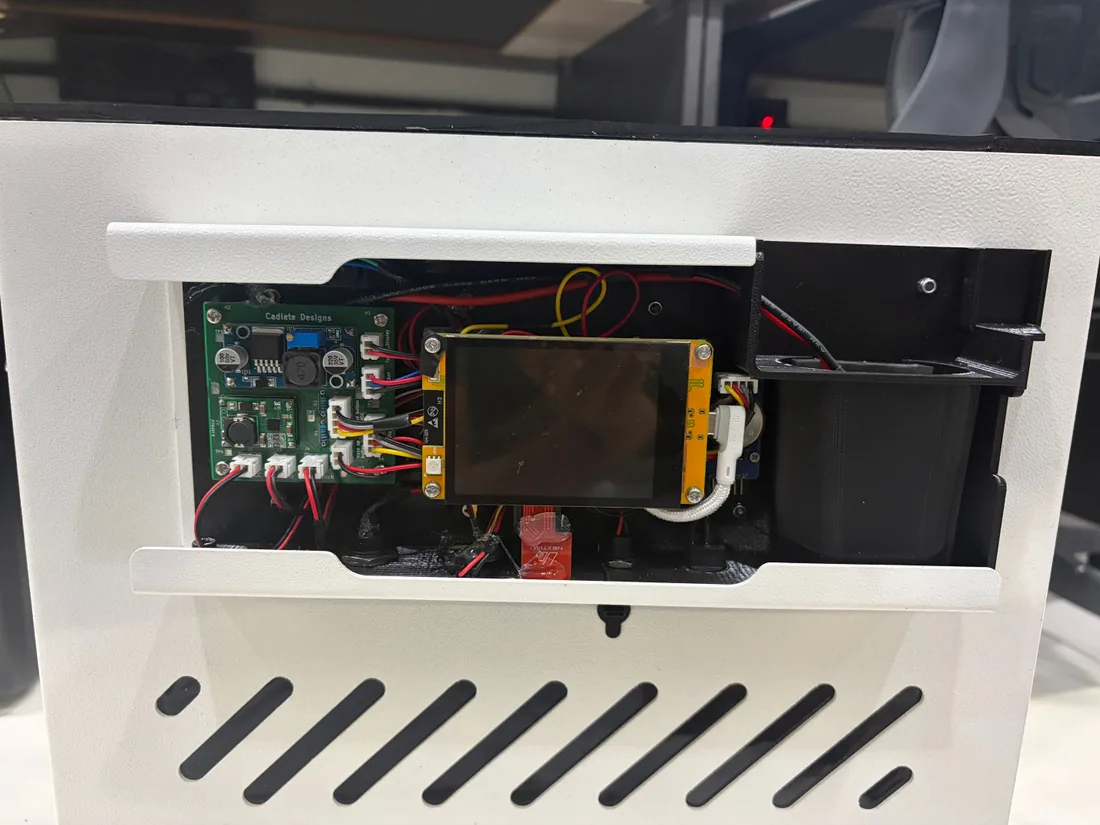
Electronics bay: PCB, display and battery. 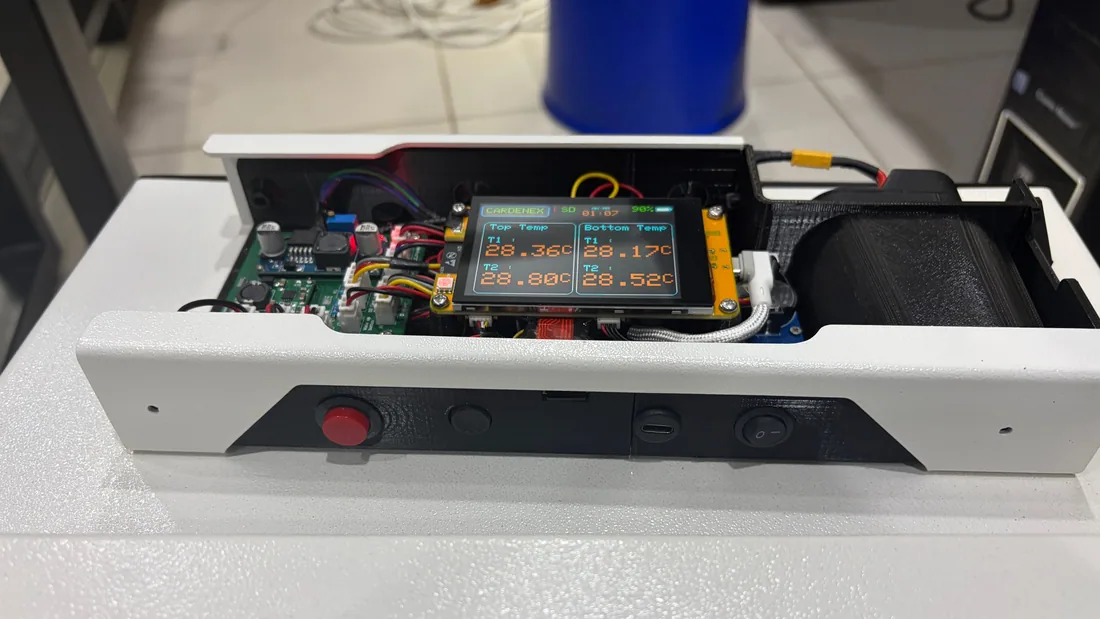
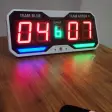
The display and controls. Stage 03 · Lung transport box
A sandwich-style support that holds the lung still
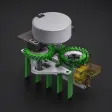
For the lung box we designed a lower cushioning platform and an adjustable upper plate. A spring-assisted height adjustment, operable from both sides, holds the lung securely between the two surfaces.
That controlled, sandwich-style support prevents unnecessary movement during transport while keeping loading and removal easy.
- Mechanism design
- Spring-assisted adjustment
- Cushioned platform
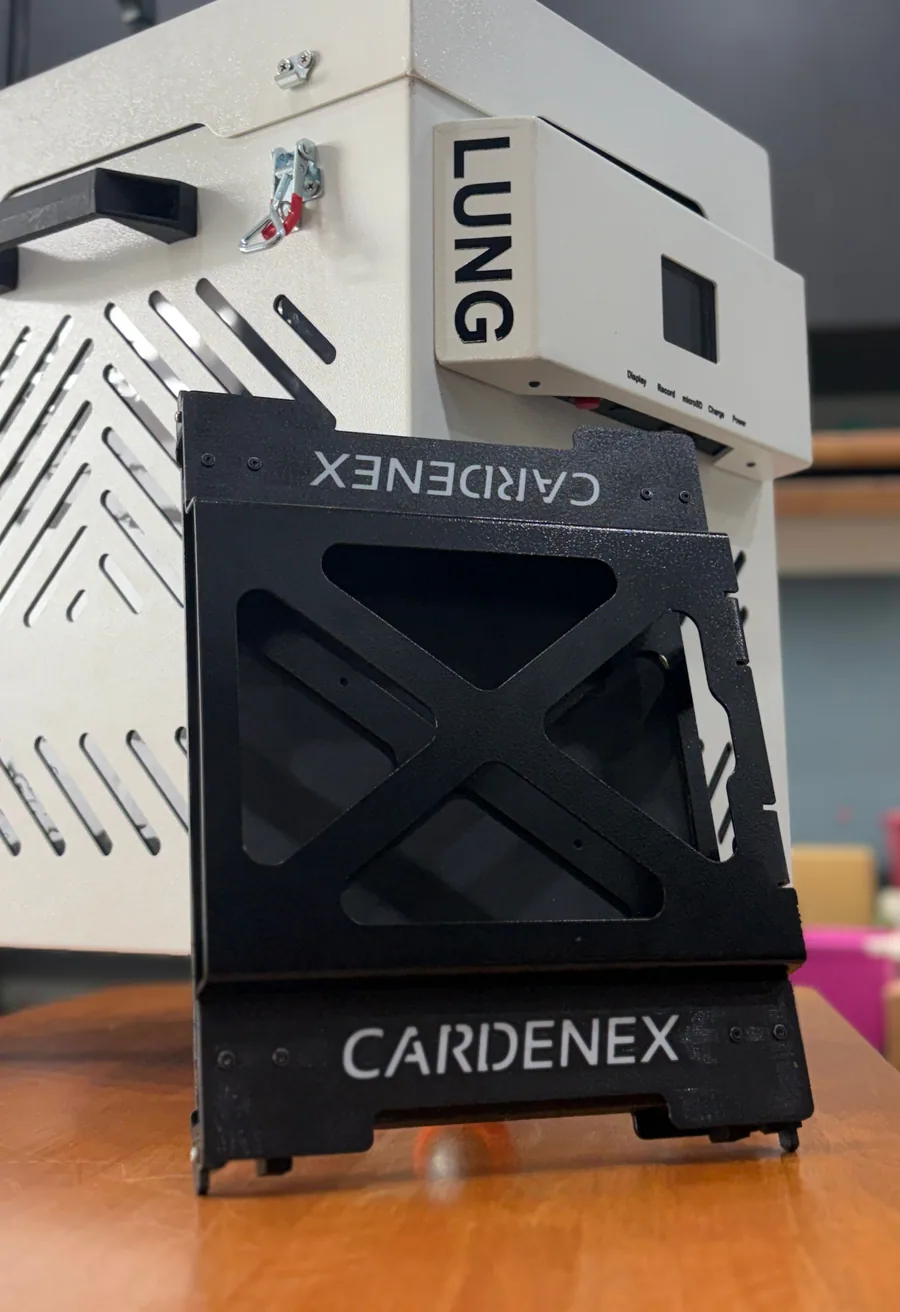
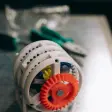
An internal support assembly beside the lung box. 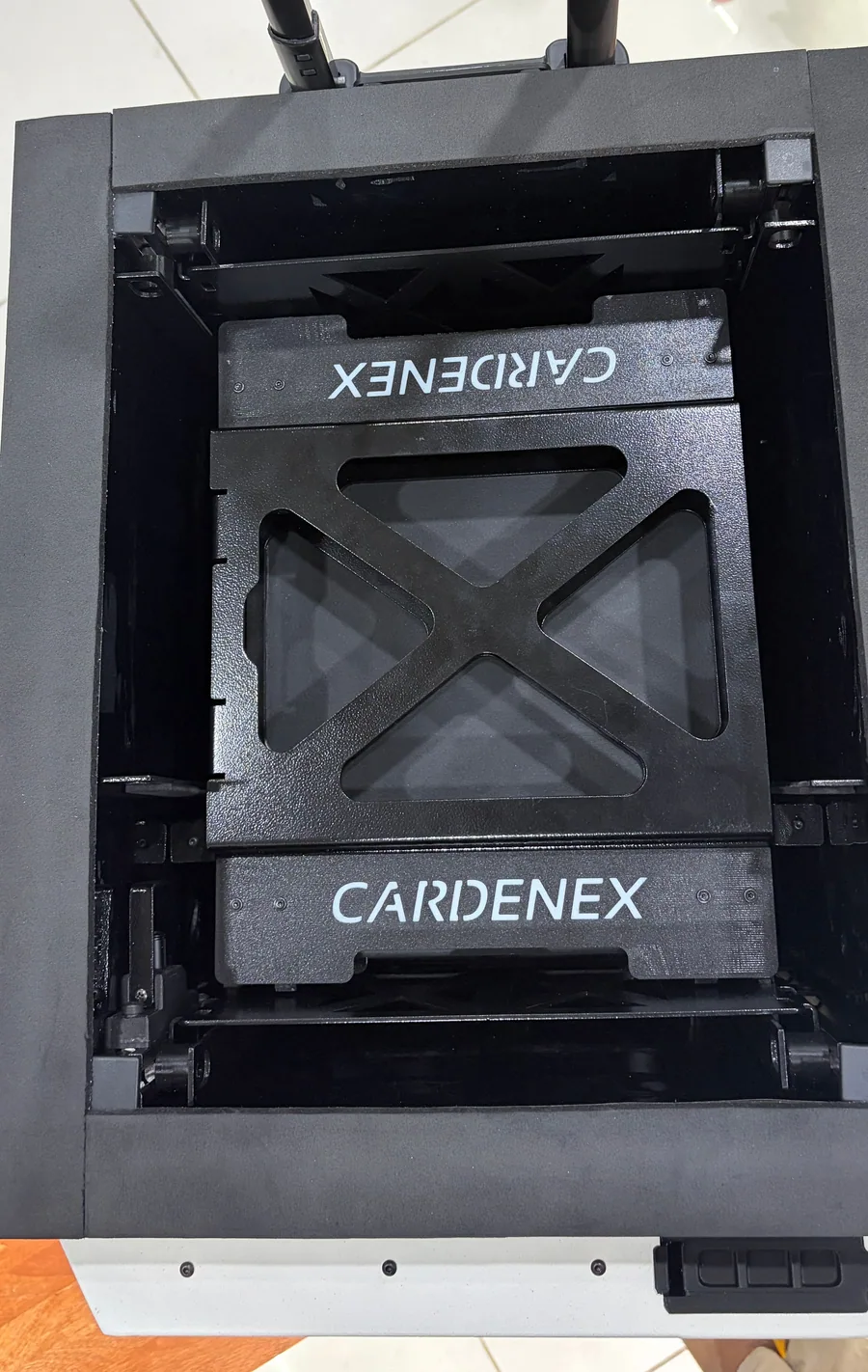
The support seated in the box. Stage 04 · Heart transport box
A stitched membrane support with a toggle latch
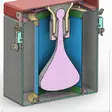
For the heart box we developed a custom flexible membrane-based internal structure, carefully stitched and integrated for the right support and a commercially finished look.
A toggle-latch mechanism lets the heart-support assembly be opened, loaded, secured and placed inside the main enclosure quickly.
- Flexible membrane
- Toggle-latch mechanism
- Organ-specific design
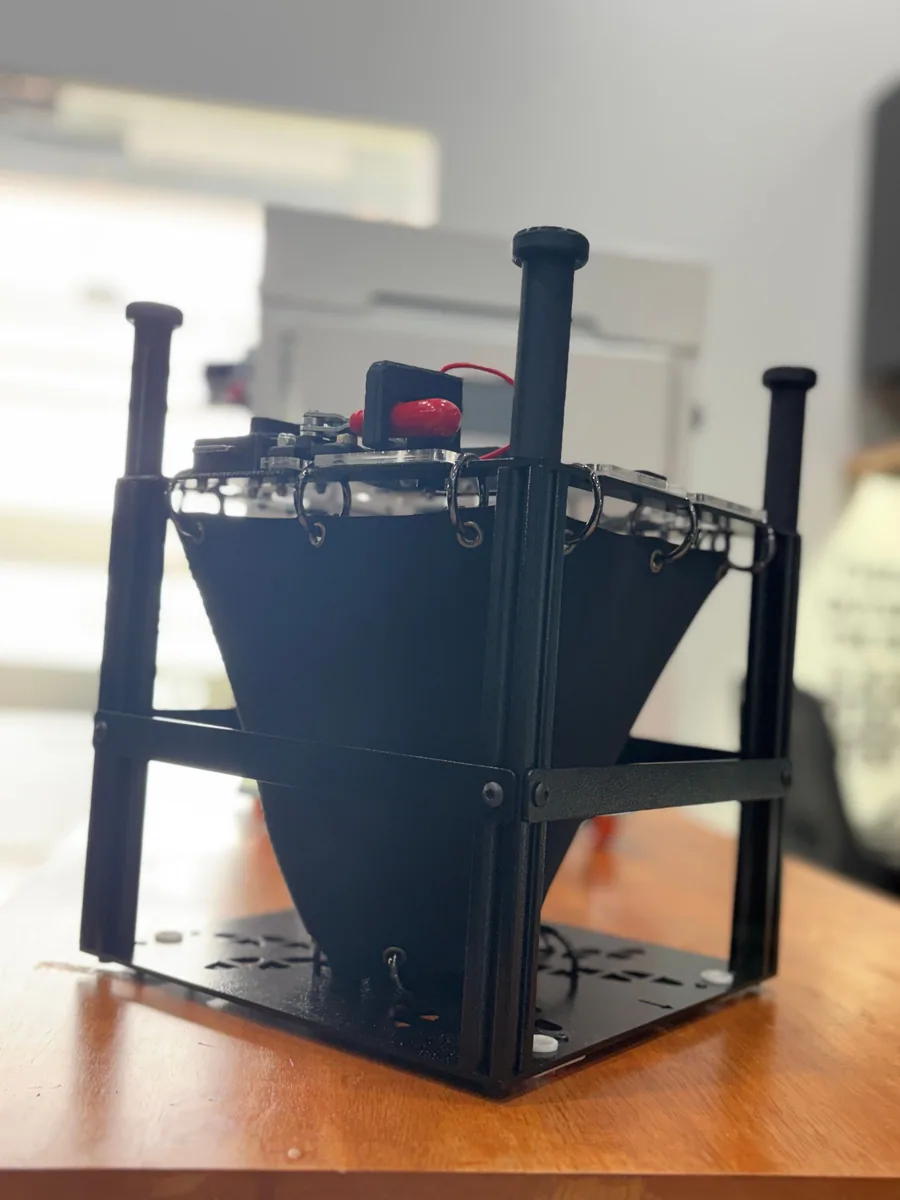
The membrane-based heart support. Stage 05 · Electronics and software ecosystem
Temperature monitoring on the box and in an app
We developed the full electronics and software stack: embedded hardware, firmware, hardware-firmware integration, temperature sensing, memory-based logging and memory-card storage.
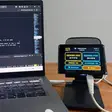
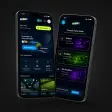
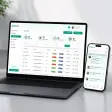
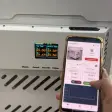
The mobile app shows the internal temperature in real time, raises threshold alerts and notifications alongside device-side alarms, and records trip-wise temperature data with historical reports, so any deviation can be reviewed later even if nobody was watching.
- Firmware
- Mobile app
- Threshold alerts
- Trip-wise logging
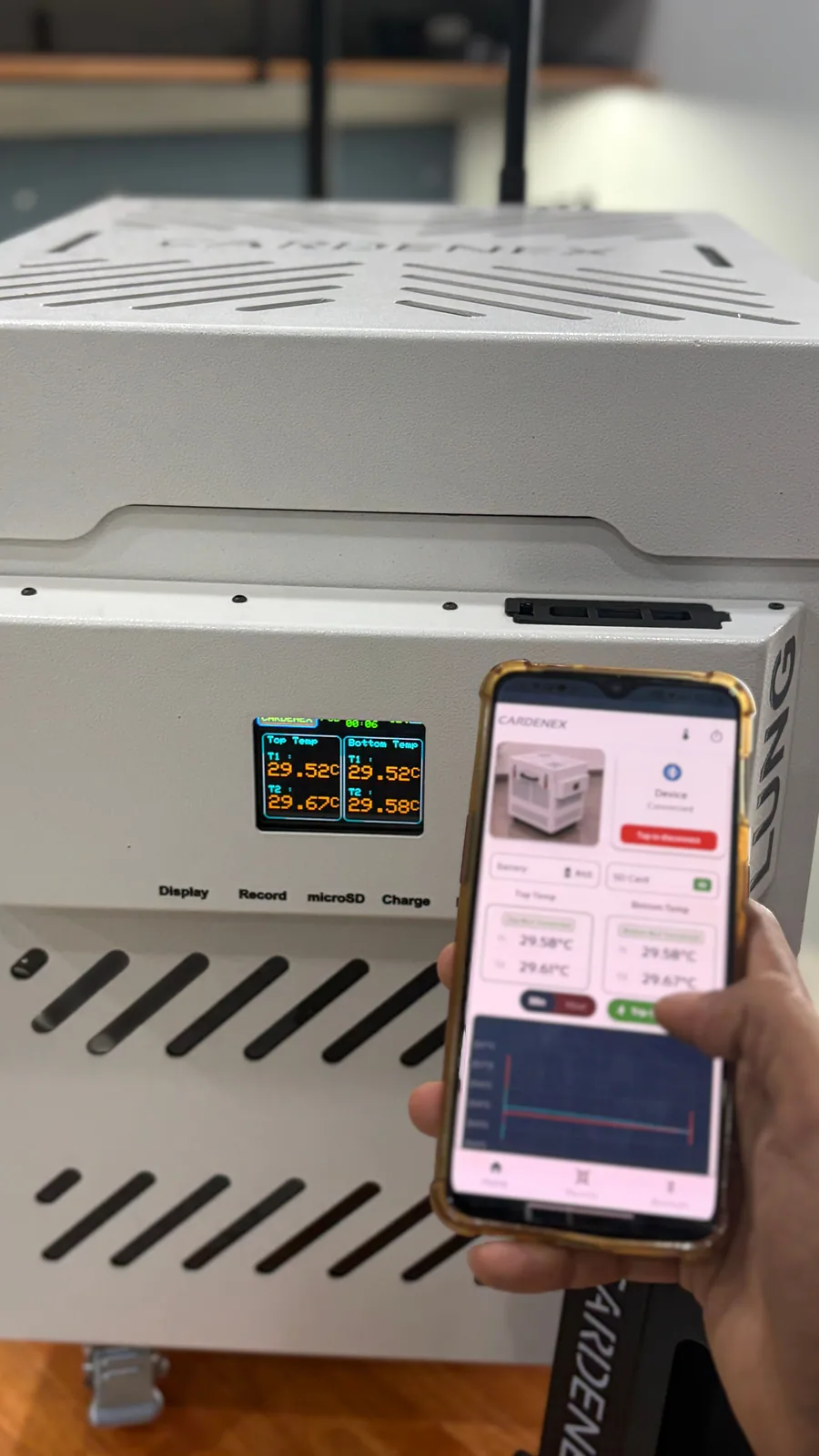
The app beside the box display. Stage 06 · Internal architecture and deliveryIn production
Protected inside, ready for manufacturing
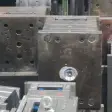
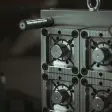
We developed the complete internal architecture, including structural protection, wiring routes, temperature sensor placement, PCB protection and component mounting, so the electronics stay protected through impacts and rough handling.
The system went from early R&D prototypes to commercial, manufacturing-ready heart and lung transport boxes. Interest from doctors, including medical professionals in Europe, has led to an active 20-unit order that CADLETE is now producing.
- Internal architecture
- Manufacturing preparation
- 20-unit order
From R&D prototype to a 20-unit commercial order
The heart and lung transport boxes are commercial, manufacturing-ready products with app-based temperature monitoring, and the first 20-unit order is in production at CADLETE.
What we delivered
- Commercial, manufacturing-ready heart and lung transport boxes
- An air-travel-friendly design with a removable battery pack
- A custom integrated PCB replacing off-the-shelf modules
- Organ-specific internal support systems for heart and lung
- Electronics protected against rough airport handling
- A mobile app with real-time monitoring, alerts and trip-wise temperature history
- Significant interest from doctors and European medical professionals
- An active 20-unit order now in production at CADLETE
Questions about this project
How do you keep track of temperature during organ transport?
This system measures the internal temperature with sensors placed inside the box, shows it on a side display and in a mobile app, raises alerts and device-side alarms when it leaves the set range, and logs every trip to memory and a memory card so the full temperature history can be reviewed later.
How can a medical transport box be made suitable for air travel?
Design it to be checked in and handled like luggage. Here that meant a strong sheet metal enclosure, protected internal electronics, trolley handles and wheels, and a battery pack that can be removed easily for airport security or check-in.
Why replace off-the-shelf modules with a custom PCB?
A custom integrated PCB combines the electronic functions into one compact board, which is easier to mount, protect and wire inside the enclosure than several separate modules, and is better suited to a manufactured product.
Can CADLETE develop the app for a hardware product?
Yes. For this system CADLETE delivered the mobile app with real-time monitoring, threshold alerts, notifications and trip-wise reports, together with the PCB, embedded hardware, firmware and the mechanical design.
Can CADLETE take a medical device from prototype to production?
Yes. This project went from R&D prototypes to commercial, manufacturing-ready heart and lung transport boxes, and the first 20-unit order is in production at CADLETE.
Will my product idea stay confidential?
Yes. CADLETE signs a non-disclosure agreement before any technical information is shared, so your design files and IP stay yours. It is also why this story does not name the client.