





































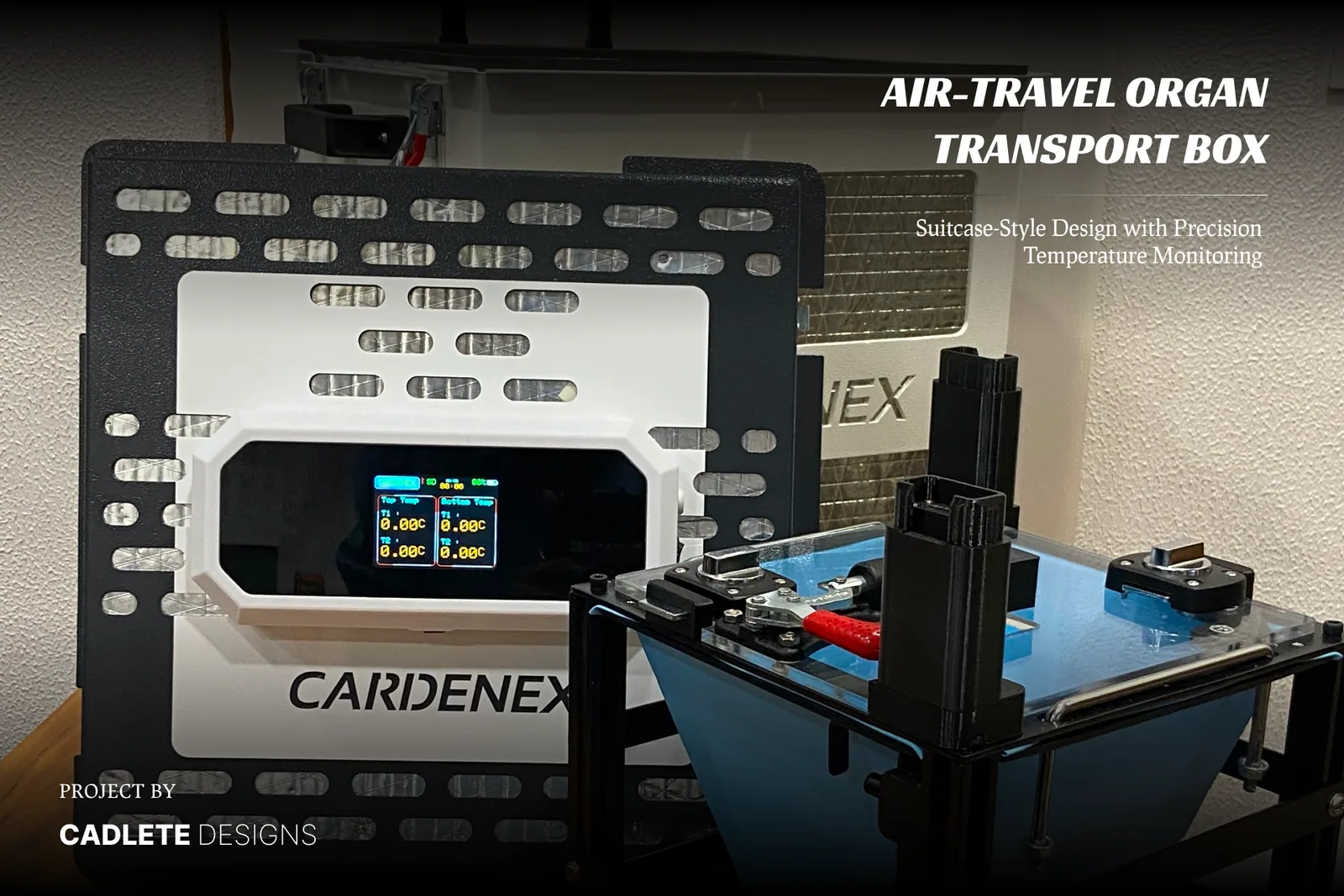
An organ transport box that travels like a suitcase
Organs often need to travel long distances, including by air, and the transport box must be easy to carry while keeping the organ protected and at the right temperature.
After the earlier liquid-suspension prototypes, our organ transport client asked CADLETE Designs to develop the next version: an air-travel-friendly payload box with a portable handle, trolley wheels and a compact, suitcase-like structure.
Just as important was what happens inside. The client required two highly accurate temperature sensors in the payload area, with very low measurement tolerance and a fast response to temperature changes.
The goal
A portable, monitored transport platform that brings enclosure design, temperature monitoring, thermal management and payload protection together in one compact system.
Accurate, insulated, protected and serviceable
Precision sensing, thermal control and organ protection all had to fit inside a box compact enough to wheel through an airport.
Accurate monitoring
The client required very low measurement tolerance and a fast response to temperature changes.
Thermal management
The internal environment had to be maintained throughout transport.
No wall contact
The organ bag had to be kept away from the rigid enclosure walls.
Clean electronics
Sensors and electronics had to be integrated without exposed wiring, while staying easy to assemble and service.
From suitcase form to a fully functional prototype
Six stages, shown with the real enclosure, sensor tests, insulation, membrane support and finished prototype from this project.
Stage 01 · Portable enclosure design
A suitcase-like box with a handle and trolley wheels
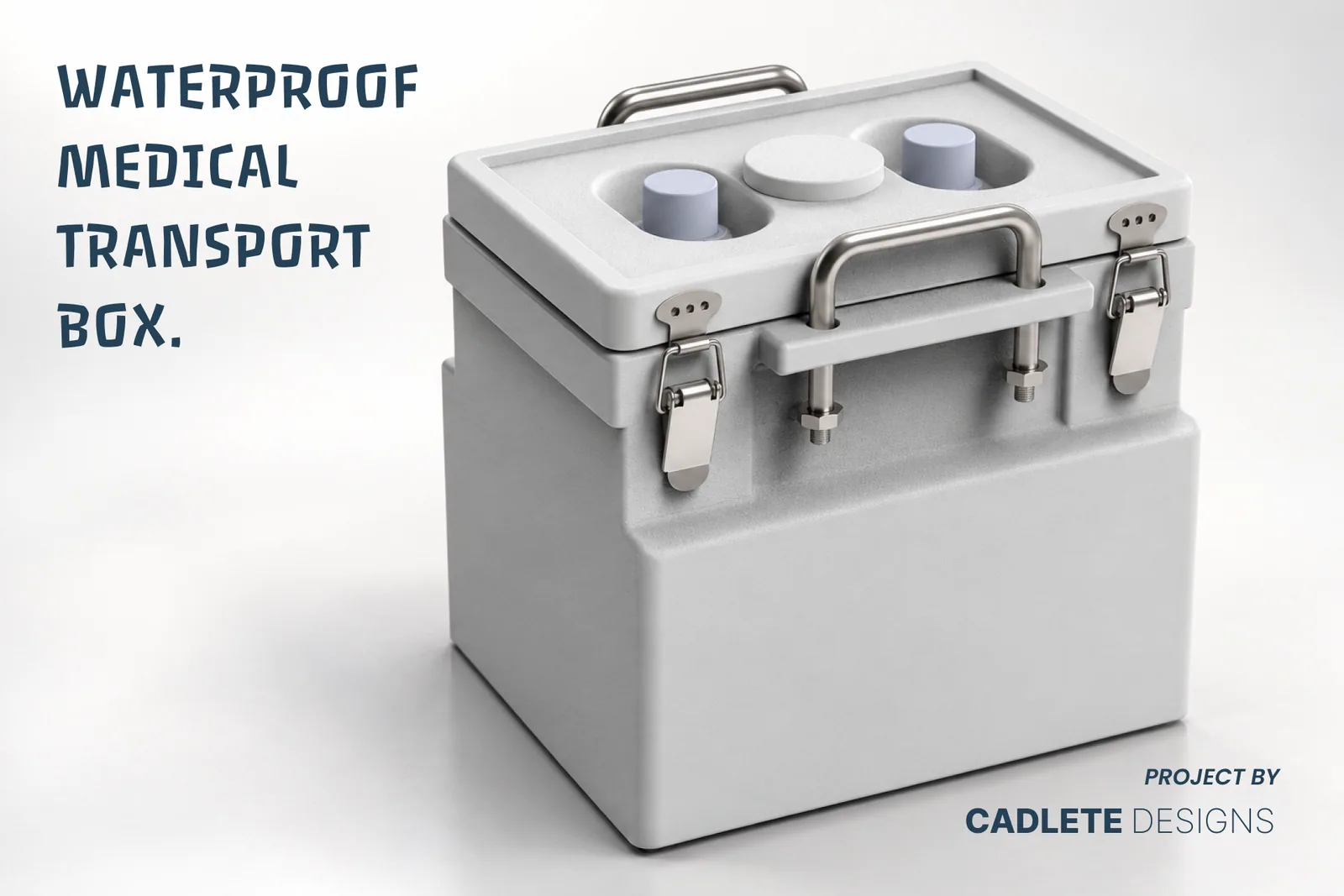
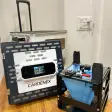
We designed a suitcase-like form with a portable handle, trolley wheels and a compact structure that can be carried comfortably during transport.
The trolley handle folds down against the back of the box, so it rolls through an airport like carry-on luggage.
- Industrial design
- Trolley handle
- Wheels
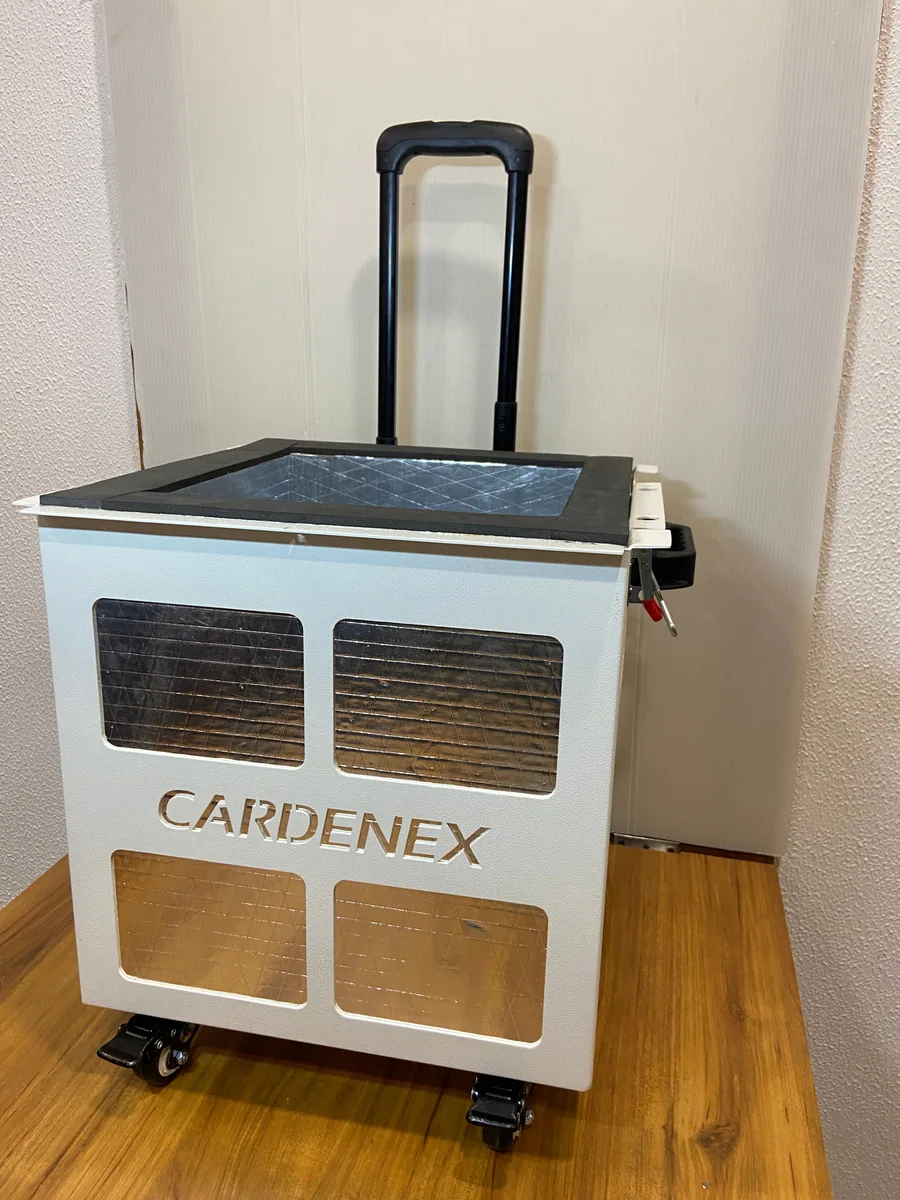
The suitcase-style transport box. 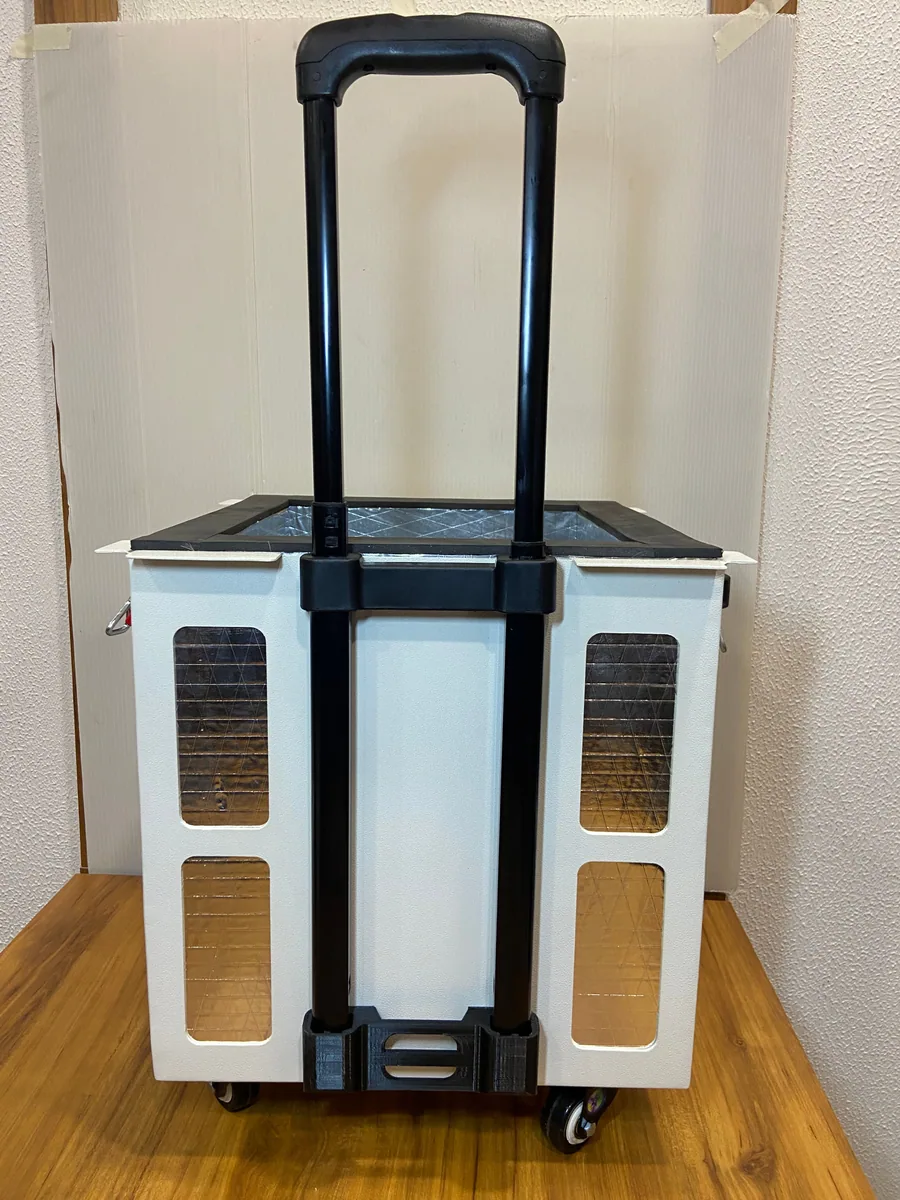
Trolley handle and wheels at the back. Stage 02 · Temperature sensor selection
Five to six sensors evaluated, one selected
We explored about five to six temperature sensor options and evaluated their performance.
The most suitable one was selected for accuracy, response time and the overall system requirements, then checked against a reference thermometer during testing.
- Sensor selection
- Accuracy
- Response time
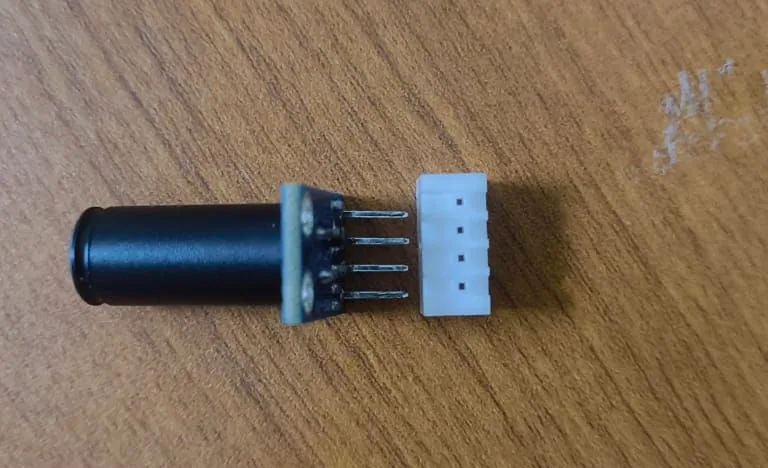
The selected temperature sensor. 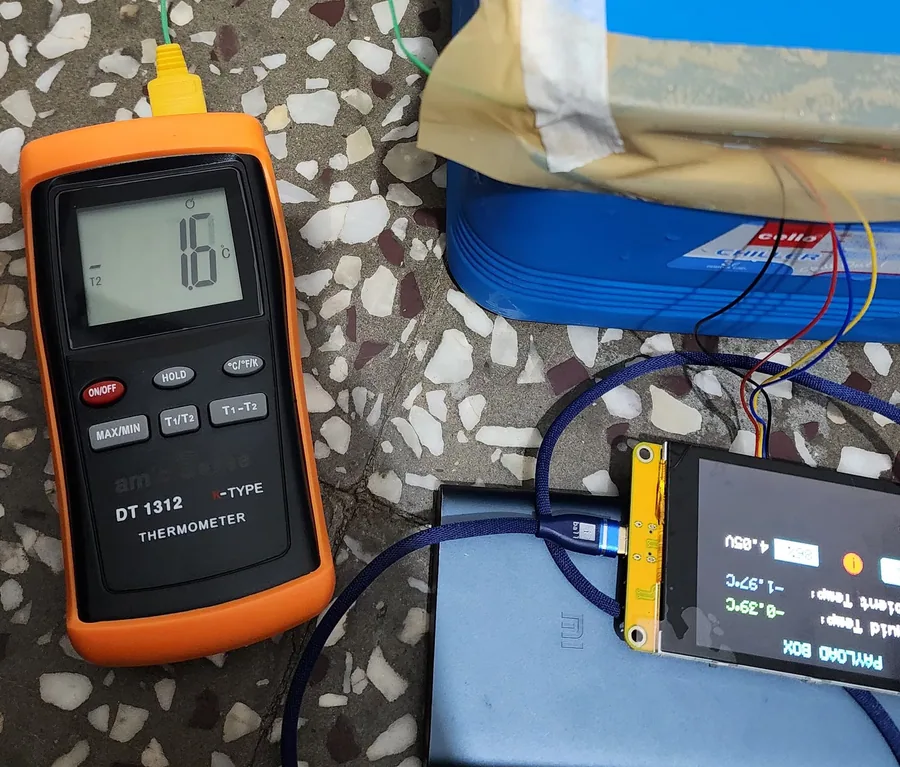
Testing against a reference thermometer. Stage 03 · Electronics POC
A working electronics POC, with the integrated version planned
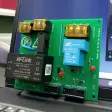
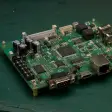
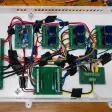
We developed the first temperature-monitoring electronics using off-the-shelf modules as a proof of concept.
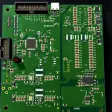
At the same time, we planned the architecture for a future integrated version, which became the custom PCB in the commercial heart and lung boxes.
- Electronics POC
- Temperature display
- Integrated architecture planned
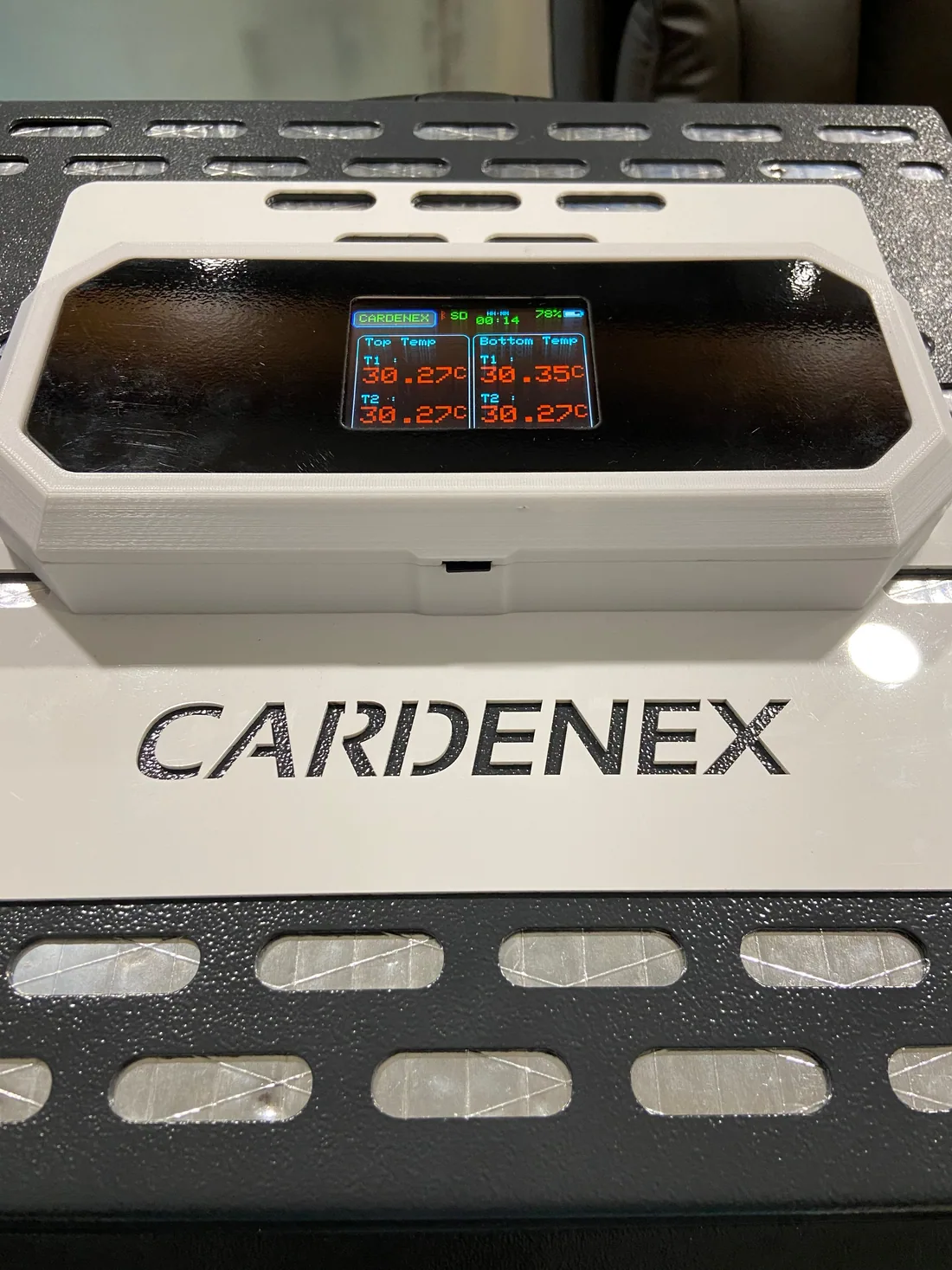
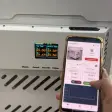
Live readings from both sensors in the lid. Stage 04 · Insulation and internal frame
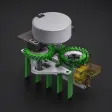
Foam insulation and a frame that hangs from the lid
We developed a temperature-resistant foam insulation system to help maintain the required internal environment.
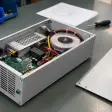
Inside it sits a dedicated internal chassis that lets the organ bag be suspended from the lid and attached or removed easily.
- Thermal insulation
- Internal chassis
- Suspended payload
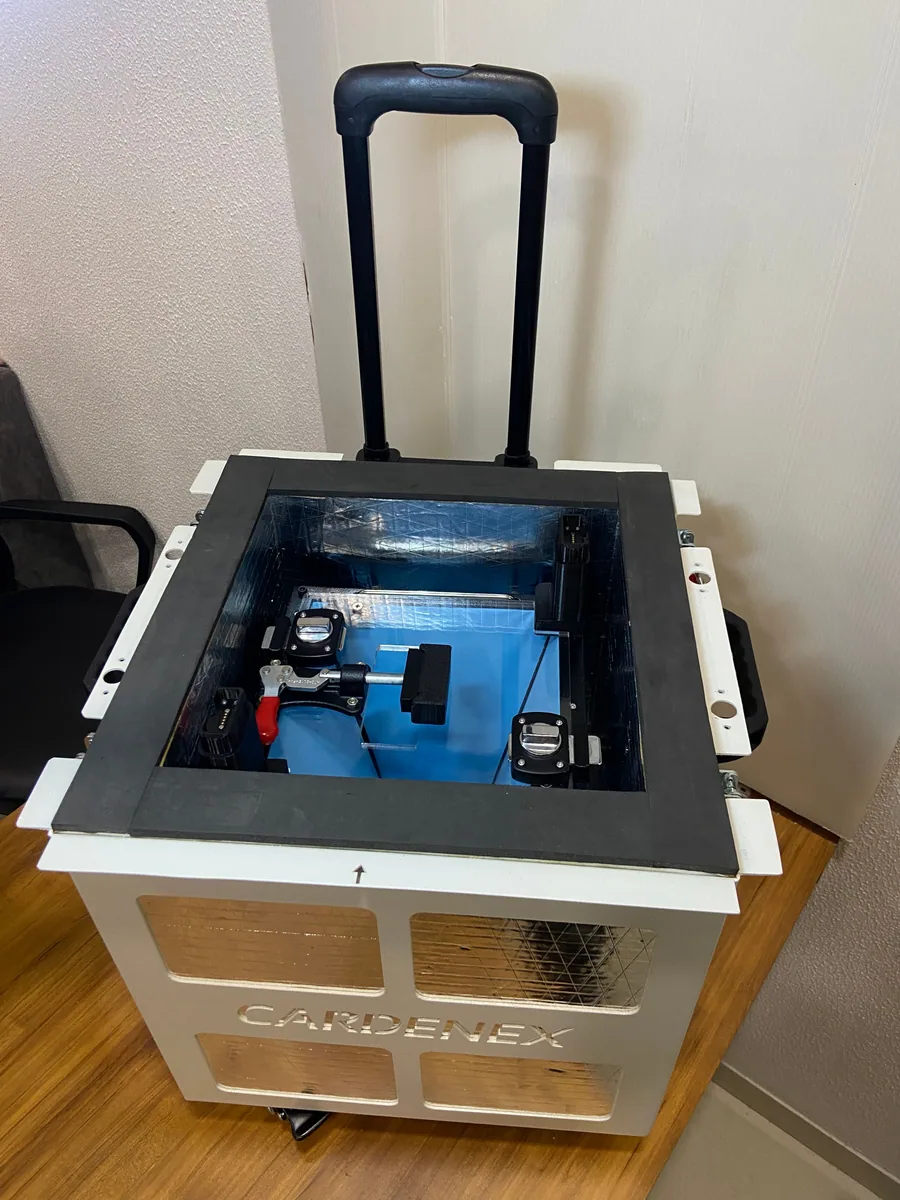
The insulated interior. 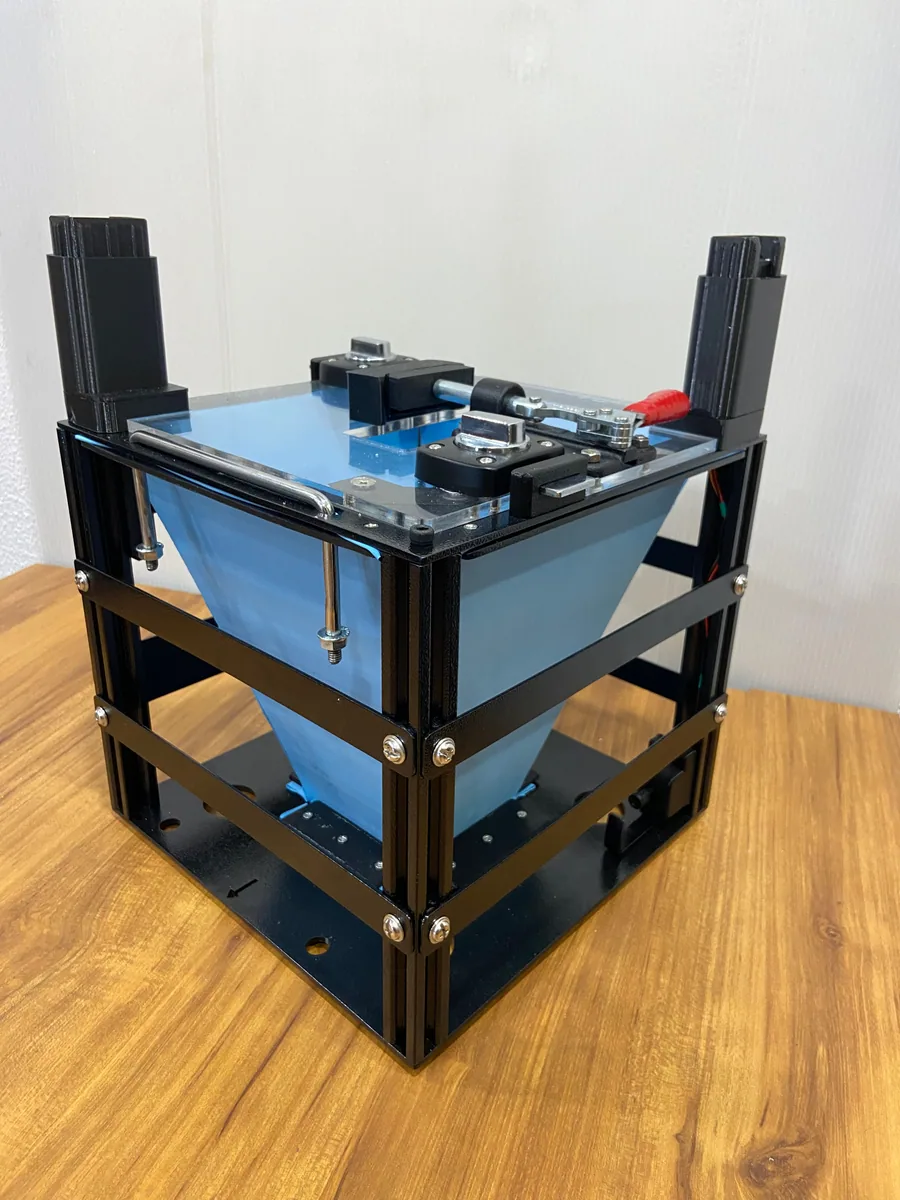
The internal chassis. Stage 05 · Membrane support
A latex membrane that keeps the organ off the walls
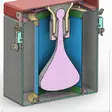
A major R&D challenge was preventing the organ bag from touching the enclosure walls. CADLETE developed a flexible latex membrane-based support structure.
The membrane flexes around the payload while minimizing direct rigid contact between the organ container and the enclosure around it.
- Membrane support design
- Latex membrane
- Payload protection
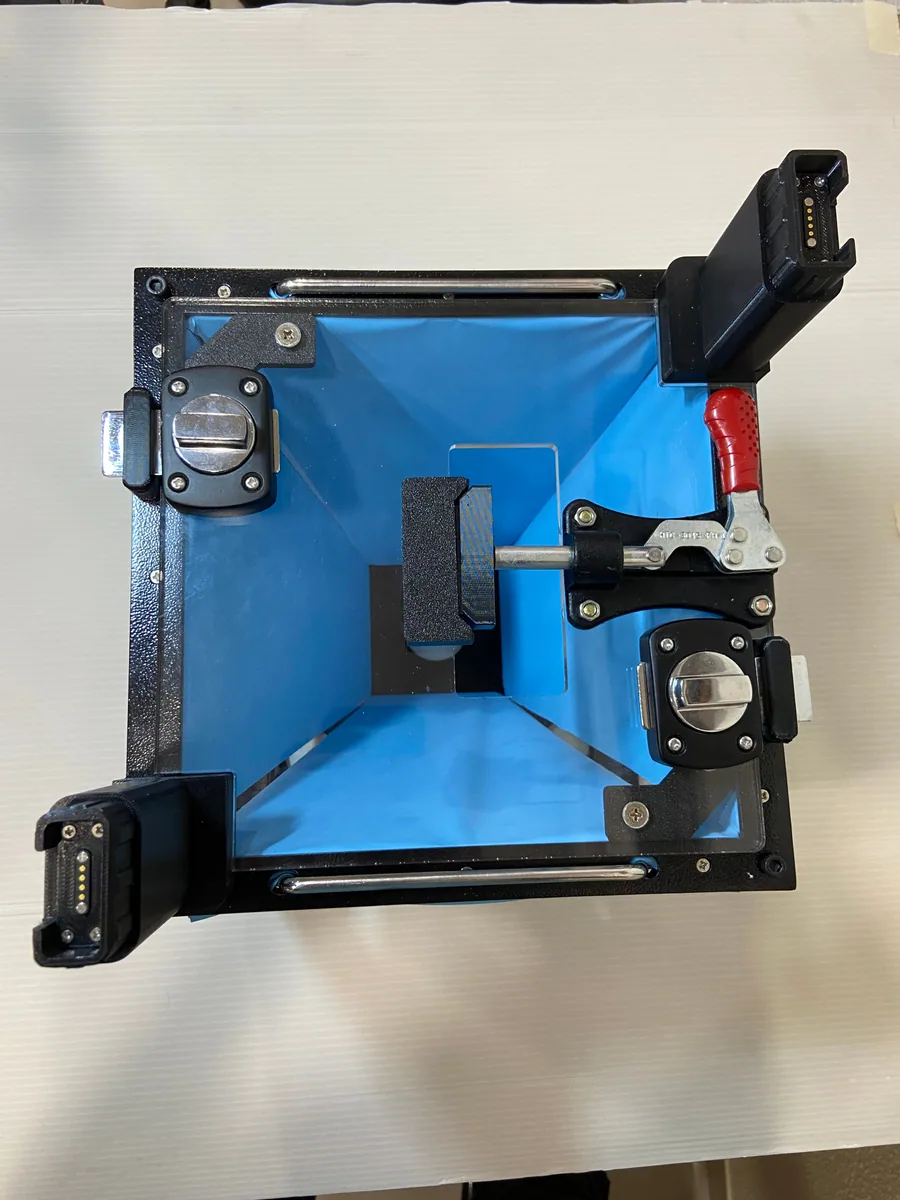
The membrane from above. 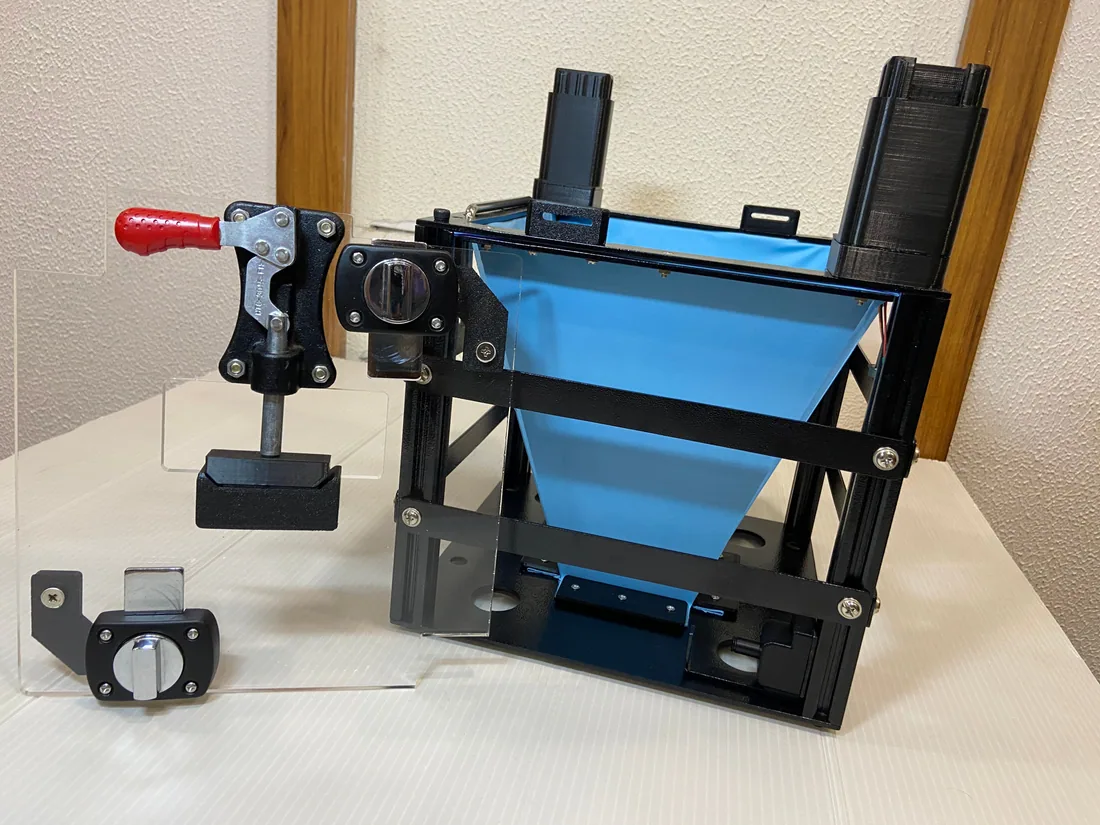
Side view with latch and mounts. Stage 06 · Pogo pins and functional prototype
Pogo-pin wiring and a prototype ready for testing
We used pogo pins to connect the upper and lower sections of the box electrically. That removed exposed wiring and kept the electronics and sensors neatly integrated, while the enclosure stays easy to assemble and service.
After optimizing the full internal arrangement of sensors, electronics, frame, membrane, insulation and payload support, CADLETE manufactured a fully functional prototype and delivered it to the client for real-world functional testing and validation.
- Pogo pin connections
- No exposed wiring
- Prototype delivered
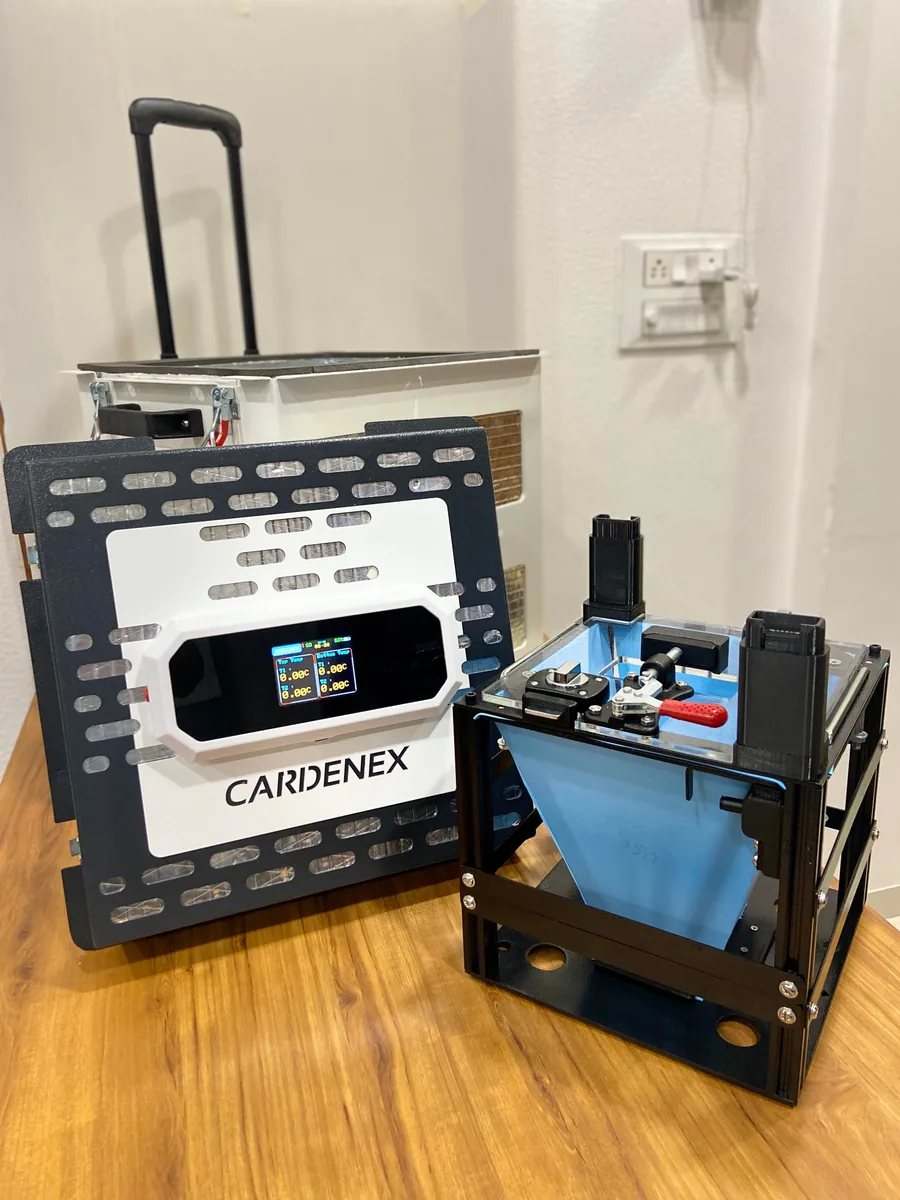
The complete functional prototype.
An air-travel-ready platform, delivered for real-world testing
The result is an air-travel-ready organ transport platform that combines a portable enclosure, temperature monitoring, thermal management, payload suspension, membrane protection and integrated electronics in one compact system.
What we delivered
- An air-travel-ready, suitcase-style organ transport box
- Two high-accuracy temperature sensors selected from five to six options
- An off-the-shelf electronics POC with a planned integrated architecture
- Foam insulation and a suspended internal frame
- A flexible latex membrane to minimize wall contact
- Pogo-pin electrical connections with no exposed wiring
- A fully functional prototype delivered for testing
Services on this project
- Medical Device Development
- Industrial Design
- Temperature Sensor Selection
- Electronics POC
- Thermal Insulation Design
- Membrane Support Design
- Pogo Pin Electrical Architecture
- Functional Prototyping
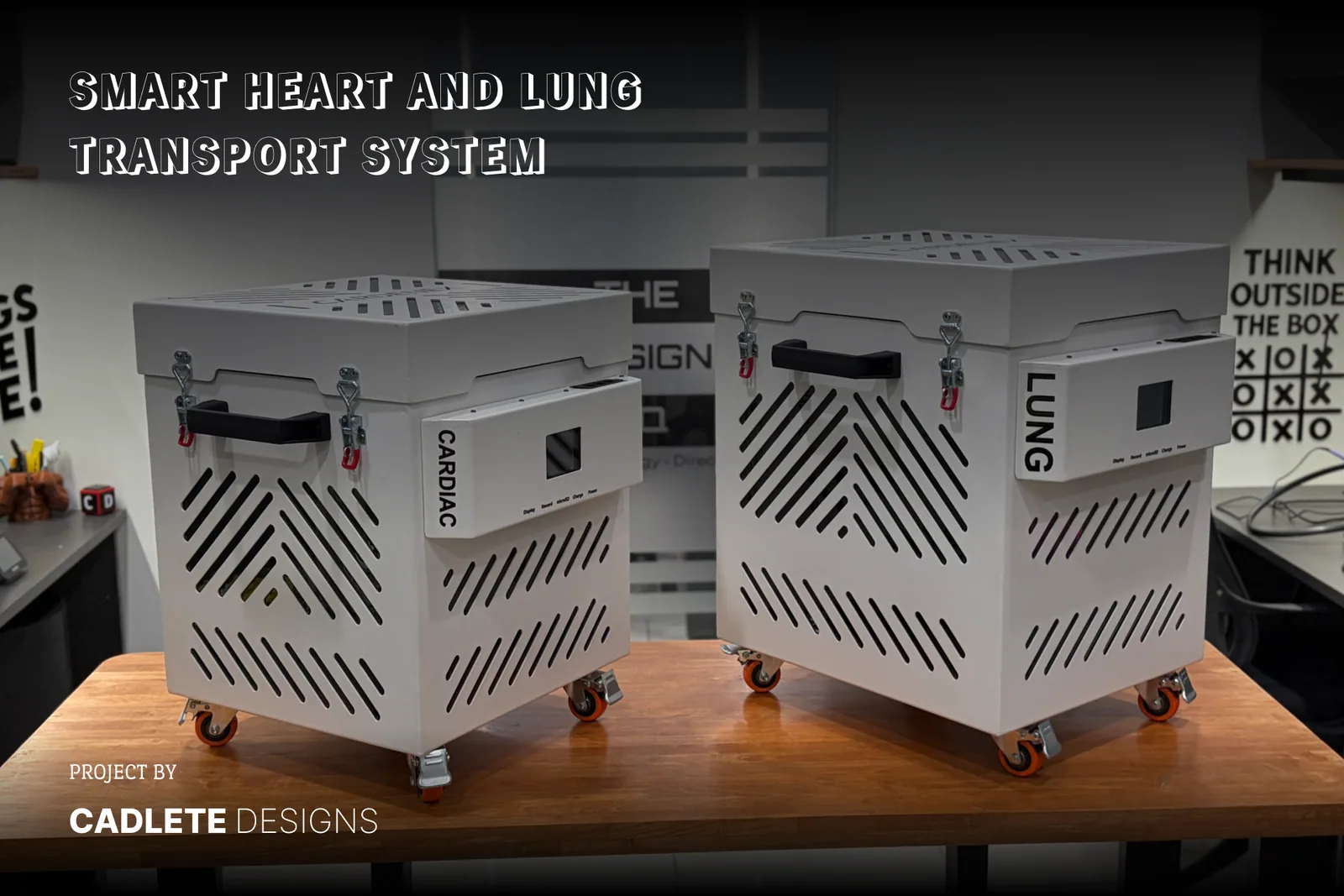
The commercial heart and lung transport system
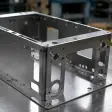
Doctors responded strongly to the prototypes, and the client moved to commercial, organ-specific boxes for the heart and the lung: sheet metal enclosures, a custom integrated PCB, a removable battery for air travel and an app that logs temperature on every trip.
Read what came next →Questions about this project
How do you choose a temperature sensor for a medical transport device?
Start from the requirement: here it was very low measurement tolerance and a fast response to temperature changes. We evaluated about five to six sensor options against accuracy, response time and the overall system needs, and checked the chosen one against a reference thermometer.
What are pogo pins used for in an enclosure?
Pogo pins are spring-loaded contacts that make an electrical connection when two parts are pressed together. In this box they connect the upper and lower sections, so there is no exposed wiring and the enclosure can still be opened, assembled and serviced easily.
How do you stop an organ bag from touching the walls of a transport box?
This prototype suspends the organ bag from the lid on an internal frame and supports it with a flexible latex membrane that flexes around the payload, minimizing rigid contact with the enclosure.
Why build an electronics POC with off-the-shelf modules first?
Off-the-shelf modules let the monitoring be proven quickly in a working prototype. Here the integrated architecture was planned at the same stage, and it later became the custom PCB in the commercial heart and lung boxes.
Can CADLETE build functional prototypes of medical devices?
Yes. For this project CADLETE designed the enclosure, selected and tested the sensors, built the electronics POC, insulation, internal frame and membrane support, and manufactured a fully functional prototype for real-world testing.
Will my product idea stay confidential?
Yes. CADLETE signs a non-disclosure agreement before any technical information is shared, so your design files and IP stay yours. It is also why this story does not name the client.